[영국] 셰필드대 국제 채용, 수온상승·영양소 증가로 담수 사업자가 당황스러워 위험에 처해
열대개 호수 및 하천 조사해 어종 간 복합 관계 분석
생활사슬, 수온운동 및 통증 완화돼…
『저널 에콜로지 레터스( Journal Ecology Letters )』에 게재
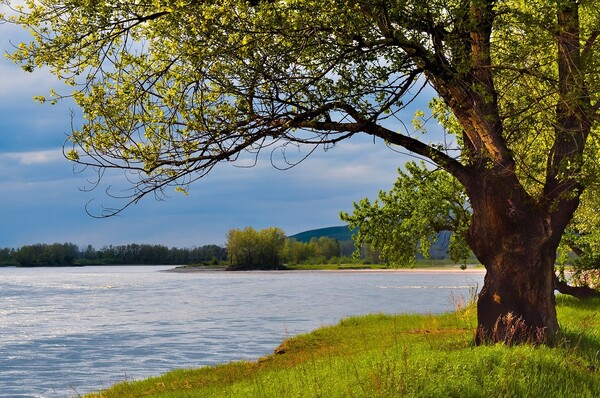
셰필드대학교(University of Sheffield)가 주도하는 연구에 따르면, 수온 상승과 다소 증가로 담수 사업자가 위험에 처해 있습니다. [사진제공(사진출처) = 픽사베이(Pixabay)]
셰필드대학교(University of Sheffield)가 주도하는 연구에 따르면, 수온 상승과 다소 증가로 담수 사업자가 위험에 처해 있습니다.
군은 기후 변화와 충돌하는 것으로 생각하는 경우가 있습니다. 그러나 새로운 연구에 따르면, 수온운동과 칼로리가 제한되는 경우, 강과식물을 더욱 연구할 수 있는 것으로 밝혀졌습니다.
셰필드대학교(University of Sheffield), 옥스퍼드대학교(University of Oxford), 사부아몽블랑대학교(University of Savoie Mont Blanc), 프랑스 국립농업, 식품, 환경연구소(French National Research Institute for Agriculture, Food and the Environment)의 국제적으로 관련성이 있는 연구에서는 수백 개의 호수와 하천을 조사해 어종 업체를 분석했습니다.
불편함은 더 큰 불편함에서 더 떨어지는 것을 발견한다는 것을 발견했습니다. 이러한 부분은 톱니바퀴가 분리되고 있는 특징이 있다는 것을 의미합니다. 거주지의 도움과 그 부분을 담당하는 포식하는 사람은 이에 대해 이야기합니다.
지구상의 담수는 3% 미만이지만, 담수 서식지에는 모든 동물의 약 10%와 모든 어종의 약 절반이 서식한다. 담수 생태계는 육지와 바다의 수질을 유지하는 데 도움을 줄 뿐만 아니라 영양분을 운반해 토양을 비옥하게 만들어 식량을 재배하는 데 중요한 역할을 한다.
이번 연구는 기후변화로 인한 온난화의 영향이 증가함에 따라 강의 오염 수준을 줄여야 한다는 시급성을 강조하지만, 오염 수준을 줄이는 것이 기후변화의 영향을 완화하는 경로임을 시사한다.
이번 연구의 공동저자 이자 알랭 다넷( Alain Danet) 셰필드대 박사후 연구원은 "올 여름 올림픽으로 세계의 시선이 센 강에 쏠렸다"며 "파리에 직면한 도전은 사람의 건강뿐 아니라 생태계의 건강을 위해 강과 호수의 오염 수준을 줄이는 것이 얼마나 중요한지 보여준다"고 말했다.
이어 "강, 호수, 습지 및 지하수는 사람과 야생동물에게 매우 중요한 물을 저장하고 정화한다"며 "식수를 제공하는 것부터 육지와 해양 생태계에 필수적인 자원을 제공하는 것까지, 건강한 담수 시스템은 필수적"이라고 덧붙였다. 또한 "이러한 중요한 생태계는 홍수로부터 보호하고, 오염을 걸러내며, 수많은 식물과 동물을 지원한다"고 설명했다.
이번 연구의 공동 1저자인 빌렘 보나페(Willem Bonnaffé) 옥스퍼드대 박사후 연구원은 "호수와 강의 생물은 지구의 신장과 같다"며 "물을 정화하고 유해한 조류와 박테리아의 번식을 막다. 수생태계를 안전하게 보호하는 것은 우리를 안전하게 보호하는 것"이라고 말했다.
이어 "기후변화와 오염은 강과 호수와 복잡한 방식으로 상용작용해 수생태계의 생물의 균형을 위협한다"며 "온실가스 배출을 줄이고 수질을 개선함으로써 미래 세대를 위해 강과 호수의 건강을 보호하는 데 도움을 줄 수 있다"고 강조했다.
이번 연구의 공동 1저자인 카밀 르클레르(Camille Leclerc) 프랑스 국립 농업, 식품 및 환경 연구소의 박사후 연구원은 "이 중요한 연구는 기후변화로 인한 수온 상승과 오염으로 인한 영양소 수치 증가가 얼마나 위험한 조합인지 보여줬다"며 "보다 긍정적인 점은 이 연구는 호수와 강의 오염을 줄일 수 있다면 기후변화와 수온 상승의 영향으로부터 호수와 강의 보호를 더 잘 할 수 있다는 것"이라고 말했다.
이번 연구는 『저널 에콜로지 레터스( journal Ecology Letters )』에 게재됐다.
[원문보기]
Warming water temperatures and increased nutrient levels are putting freshwater ecosystems at serious risk
New international research, led by the University of Sheffield found that food webs are becoming less complex in warmer, nutrient-rich waters
The effect of rising water temperatures on ecosystems is likely to interact with pre-existing pressures, such as excess nutrients from pollution, resulting in a dangerous combination, according to a new study
New international research, conducted by the University of Sheffield, University of Oxford, University of Savoie Mont Blanc and the French National Research Institute for Agriculture, Food and the Environment, found that food webs are becoming less complex in warmer, nutrient-rich waters
This simplification means shorter food chains and a degraded functioning ecosystem
The urgent global need to reduce river pollution levels was recognised internationally when Olympic open water swimming events, due to take place in the Seine river in Paris, had to be postponed due to harmful bacterial levels
Warming water temperatures and increased nutrient levels are putting freshwater ecosystems at serious risk, new research has revealed.
Scientists previously thought warming temperatures caused by climate change and increased nutrient levels due to pollution might offset each other’s impact on aquatic life. However, a new study has shown warming waters and nutrient overload is a dangerous combination threatening our rivers and lakes.
The research, conducted by an international team of scientists from the University of Sheffield, University of Oxford and University of Savoie Mont Blanc and the French National Research Institute for Agriculture, Food and the Environment, examined hundreds of lakes and streams, analysing the complex relationships between fish species.
Researchers found that food webs, the intricate networks of who eats who, are becoming less complex in warmer, nutrient-rich waters. This simplification means shorter food chains, and an ecosystem with a degraded functioning. Top predators are particularly vulnerable to these changes, but they are essential to the functioning and the stability of ecosystems.
Less than three per cent of the water on our planet is fresh, yet freshwater habitats are home to almost 10 per cent of all known animals and almost half of all known fish species. Freshwater ecosystems not only help to maintain water quality of the land and sea, but also allow wildlife such as eels and salmon to travel vast distances to complete their life cycles, and act as conveyor belts transporting nutrients that make soil good for growing food.
The far reaching impact of the need to reduce pollution levels in our rivers was felt globally when the Olympic open water swimming events such as the triathlon, due to take place in the Seine river in Paris, had to be postponed due to harmful bacterial levels. The study highlights that this need is even more urgent with the rising impacts of warming of climate change, but it also suggests that reducing pollution levels is a promising path to mitigate the impacts of climate change.
Alain Danet, Postdoctoral Research Associate at the University of Sheffield and co-first author of the study, said: “The eyes of the world have been on the Seine River this summer due to the Olympic Games. The challenges faced in Paris demonstrate how important it is to reduce the pollution levels in our rivers and lakes not only for our own health but for the health of our ecosystems.
“Our rivers, lakes, wetlands and underground water supplies store and clean the water that's crucial for people and wildlife. From providing drinking water to providing essential resources to terrestrial and marine ecosystems, healthy freshwater systems are essential.
“These vital ecosystems also protect us from flooding, filter pollution and support countless plants and animals.”
Willem Bonnaffé, Postdoctoral Research Associate at the University of Oxford and co-first author of the study, said: “Lake and river creatures are like the kidneys of our planet. They clean water and prevent blooms of poisonous algae and bacteria. Keeping them safe is keeping us safe.
“Climate change and pollution are not isolated problems for our rivers and lakes, as scientists previously believed. Our study has found they interact in complex ways that threaten the balance of life in our waters.
"온실 가스 배출을 줄이고 수질을 개선함으로써 우리는 미래 세대를 위해 강과 호수의 건강을 보호하는 데 도움이 될 수 있습니다."
프랑스 국립 농업, 식품, 환경 연구소의 박사후 연구원이자 이 연구의 공동 1저자인 카미유 르클레르는 "이 중요한 연구는 기후 변화로 인한 수온 상승과 오염으로 인한 영양소 수치 증가가 얼마나 위험한 조합인지를 보여주었습니다.
"더욱 긍정적으로 이 연구는 우리가 호수와 강의 오염을 줄일 수 있다면 기후 변화와 더운 물의 영향으로부터 호수와 강의 보호를 더 잘 할 수 있다는 것을 보여줍니다."
저널 Ecology Letters에 게재된 전체 논문 보기
[출처 = 셰필드대학교(University of Sheffield) ( https://www.sheffield.ac.uk/news/warming-water-temps-and-increased-nutrient-levels-are-putting-freshwater-ecosystems-serious ) / 2024년 8월 15일]
|  즐겨찾기 추가
 시작페이지로 설정
























