[스위스] “세계인구 절반 이상(40억명)이 안전한 식수 서비스 부족 추정”
스위스 물과학기술연구소(Eawag), 가정조사·지구 관측 데이터 기반 머신런닝 사용 세계지도 작성
135개 저·중간 소득 국가(LMICS)서 안전하게 관리되는 식수서비스 사용 추정하기 위한 모델 개발
높은 기온·강수량 계절적 변동 심한 저소득 국가 농촌지역서 식수 서비스 부족한 곳으로 나타나
과학저널 『사이언스(Science)』 최근호에 게재
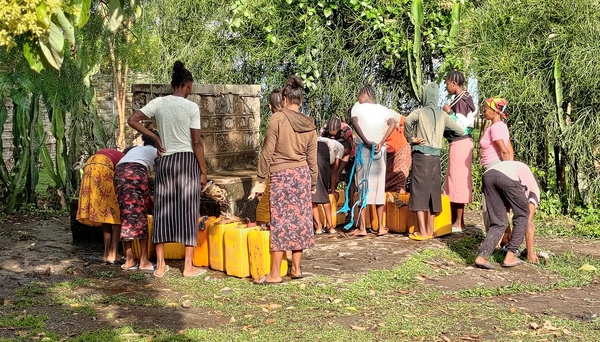
스위스 연방 물과학기술연구소(Eawag) 연구원들이 연구조사에 따르면, 전 세계 인구의 절반 이상(40억 명)이 안전하게 관리되는 식수 서비스가 부족한 것으로 추정되었다. 사진은 에티오피아 둘레차 티비라코(Dulecha Tibirako)의 한 보노(bono)에서 집으로 가져갈 물을 모으고 있는 사람들의 모습. [사진출처(Photo source) = 스위스 연방 물과학기술연구소(Eawag) / 사진 : 안나 웨틀라우퍼(Anna Wettlauffer)]
스위스 연방 물과학기술연구소(The Swiss Federal Institute of Aquatic Science and Technology, 이하 ‘Eawag’) 연구원들이 주도한 최근 연구에 따르면, 전 세계 인구의 절반 이상인 40억 명이 안전하게 관리되는 식수 서비스가 부족한 것으로 추정되었다.
이는 Eawag 연구원들이 가정 조사의 데이터와 지구 관측에서 얻은 데이터를 기반으로 기계 학습(machine learning)을 사용하여 작성한 글로벌 지도에 나와 있다.
안전한 식수 접근은 인권이며 유엔(UN)의 지속가능한 개발목표(SDGs) 중 하나이다. 하지만, 안전하게 관리되는 식수 서비스를 사용하는 사람들의 수에 대한 데이터는 세계 인구의 절반 이상이 부족한 것으로 조사됐다.
스위스 국립과학재단(Swiss National Science Foundation)의 자금을 지원 받아 연구한 이번 연구의 주저자인 Eawag의 박사 과정 학생인 에스더 그린우드(Esther Greenwood)는 “우리는 이번 연구를 통해 이러한 정보 격차를 줄이는 데 도움이 되는 것을 목표로 하고 있다”고 말했다.
Eawag의 연구진은 취리히 연방공과대학교(ETH Zurich), 유엔아동기금(UNICEF), 세계보건기구(WHO), 스위스 열대·공중보건연구소(Swiss Tropical and Public Health Institute), 바젤대학교(University of Basel) 등에서 지원을 받아 135개 저소득 및 중간 소득 국가(LMICS)에서 안전하게 관리되는 식수 서비스의 사용을 추정하기 위한 모델을 개발했다.
이 모델들은 가정 조사의 기존 데이터 세트와 지구 관측에서 얻은 데이터를 기반으로 기계 학습을 사용하여 개발되었다. 이 연구조사의 주요 결과에 따르면, 2020년에 LMICS 국가의 3명 중 1명만이 안전하게 관리되는 식수 서비스를 사용한 것으로 나타났다.
이 연구에서는 또한 이들 국가에서 인구의 거의 절반의 식수가 배설물로 오염되었고, 3분의 1의 사람들이 우물 등 공동 물 공급소에서 물을 가져와야 했다는 사실을 발견했다. 특히, 연구원들이 제작한 세계 지도는 높은 기온과 강수량의 계절적 변동이 심한 저소득 국가의 농촌 지역에서 식수 서비스가 부족한 곳으로 나타났다.
이 지도들은 사하라 사막 이남 아프리카의 몇몇 국가들에서 인구의 10% 미만이 안전하게 식수를 관리하고 있음을 시사한다. “우리는 전 세계적으로 40억 명 이상의 사람들이 적절한 식수 서비스를 사용하지 않는 것으로 추정한다”라고 에스더 그린우드(Esther Greenwood)는 요약했다.
이 수치는 공동 프로그램에서 식수 모니터링을 담당하는 WHO와 유니세프(UNICEF)의 이전 추정치보다 두 배 이상 높기 때문에 주목할 만한 결과이다. “안전한 식수에 대한 기본적인 인권이 충족되지 않는 사람들의 수는 따라서 상당히 과소평가 될 수 있다”라고 과학자는 강조했다.
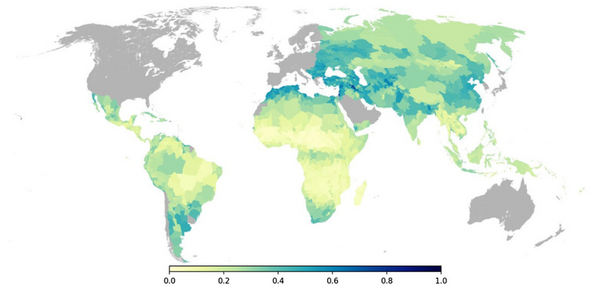
저소득 및 중산층 국가에서 안전하게 식수 서비스를 관리하지 못하는 인구 비율(그래픽 = 톰 라우버(Tom Lauber) 및 에스더 그린우드( Esther Greenwood). [그림출처(picture source) = 스위스 연방 물과학기술연구소(Eawag)]
가구 조사와 지구 관측 데이터 결합
연구원들은 연구를 위해 유니세프가 수집한 가구 조사 데이터를 사용했는데, 여기에는 2016년부터 2020년 사이 27개국 6만 가구 이상의 정보가 포함되어 있다. 연구원들은 응답자들이 사용하는 △식수원 유형 △위치 △물 부족 문제를 겪었는지 여부 △물에 분변 오염이 없는지 여부를 기록했다. 연구원들은 또한 위성 데이터에서 파생된 공간 데이터와 전 세계적으로 사용 가능한 공중 및 육상 데이터를 사용했다.
그린우드는 “이러한 접근 방식은 우리 분야에서는 새로운 것”이라면서 “우리는 지구 관측 및 기타 지리 데이터 세트를 사용하여 글로벌 생태 모델을 만드는 취리히 연방공과대학교(ETH 취리히)의 크로더 연구실(Crowther Lab) 연구원들과 협력했다”라고 말했다.
식수의 가용성, 접근성 및 품질은 다양한 환경 및 사회 경제적 요인에 따라 달라진다. 예를 들어 기후, 지질, 식생뿐만 아니라 인구 밀도와 농경지, 도시 토지 피복 및 삼림의 비율이 중요한 역할을 한다.
“처음에는 우리는 매우 관대하게 물 순환이나 도시화와 같은 관련 인적 요인과 관련이 있기 때문에 안전한 식수에 관련될 수 있다고 생각되는 100개 이상의 가능한 예측 변수를 선택했다”고 그린우드는 설명했다.
그런 다음 연구자들은 기계 학습을 사용하여 가구 조사에서 얻은 식수 서비스 데이터로 모델을 학습했다. 추가 단계에서 예측 변수의 수를 117개에서 39개로 줄일 수 있었다.
그린우드는 “우리의 접근 방식으로는 원인을 파악할 수 없다. 하지만 예를 들어 기후 요인이 미생물 식수 품질을 예측하는 데 가장 중요한 역할을 했다는 것을 알 수 있다”고 강조했다.
이는 ‘폭우나 고온이 식수의 미생물 오염을 증가시킬 수 있다’는 연구 결과와 일치하며, 특히 저소득층에서는 그렇다. 반면 인구 밀도나 시가지 면적 비율과 같은 인적 요인은 식수원의 접근성을 결정하는 데 가장 중요한 예측 변수였다.
그리고 지역 식생을 설명하는 예측 변수는 식수 가용성을 예측하는 데 가장 중요한 것으로 나타났는데, 식물에 필요한 물의 부족이 사람들의 식수 가용성과 연관이 있음을 시사한다.
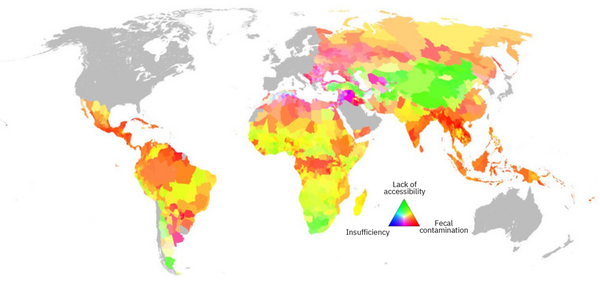
분변 오염, 접근성 부족 및 부족으로 인해 안전하게 관리되는 식수 서비스 사용이 제한되고 있는 저소득 및 중산층 국가의 지역(그래픽 = 톰 라우버(Tom Lauber) 및 에스더 그린우드( Esther Greenwood). [그림출처(picture source) = 스위스 연방 물과학기술연구소(Eawag)]
135개국 대상으로 계산한 예측치
주요 모델은 2020년에 특정 지역에서 안전하게 관리되는 식수 서비스를 사용하는 사람들의 비율을 추정한다. 전 세계적으로 이용 가능한 지리 공간 데이터 세트와 27개국의 가정 조사를 결합하여 135개국에 대한 예측을 계산했는데, 그 중 약 절반이 이전의 국가 추정치가 없었다.
그린우드는 “이번 연구는 특정 지역들이 안전한 식수에 대한 보편적인 접근을 이루는 것으로부터 얼마나 멀리 떨어져 있는지를 보여준다”고 설명했다. 그린우드는 또한 새로운 연구 결과가 전 세계의 현재 상황을 더 잘 이해하고 따라서 재정적인 자원을 더 잘 계획하고 할당하는데 도움이 되기를 바라고 있다.
“우리의 연구가 저소득 및 중소득 국가의 식수 서비스 상태에 대한 인식을 높이고 상황을 개선하기 위해 데이터 수집 및 재정 투자가 필요한 곳을 제안하는 데 도움이 될 수 있다고 생각한다”고 그린우드는 말했다.
이 연구논문은 ‘저소득 및 중산층 국가의 안전한 식수 사용 지도 작성(Mapping safe drinking water use in low- and middle-income countries)’이라는 제목으로 과학저널인 『사이언스(Science)』 최근호(2024년 8월 15일자)에 게재되었다.
[원문보기]
Four billion people estimated to lack safe drinking water services
More than half of the global population were estimated to lack safely managed drinking water services in a recent study lead by Eawag researchers. This is shown in a global map that researchers compiled using machine learning based on data from household surveys and data derived from Earth observations.
Safe drinking water access is a human right and one of the United Nations' Sustainable Development Goals. However, data on the number of people using safely managed drinking water services is lacking for more than half of the world's population.
"With our work we aim to help close this information gap," says Esther Greenwood, PhD student at Eawag and lead author of the study funded by the Swiss National Science Foundation, and published in the journal "Science".
The researchers from Eawag with the support of ETH Zurich, United Nations Children’s Fund (UNICEF), World Health Organization (WHO), Swiss Tropical and Public Health Institute, and University of Basel developed models to estimate the use of safely managed drinking water services in 135 low- and middle-income countries (LMICS).
The models were developed using machine learning based on existing data sets from household surveys and data derived from Earth observations. A main finding of the study: only one in three people in LMICS countries used safely managed drinking water services in 2020.
The study also found that fecal matter polluted the drinking water of almost half of the population in these countries, and a third of people needed to fetch water from a shared water point. The global maps produced by the researchers show where the drinking water services are lacking: In rural areas of low-income countries with high temperatures and strong seasonal fluctuations in rainfall.
The maps suggest that in several countries in sub-Saharan Africa less than 10% of the populations used safely managed drinking water. "We estimate that over four billion people worldwide do not use adequate drinking water services," summarizes Greenwood.
This is a notable result because this figure is more than twice as high as the previous estimate of the WHO and UNICEF, which are responsible for monitoring drinking water in a joint program. "The number of people whose basic human right to safe drinking water is not being met may therefore be significantly underestimated," says the scientist.
Combining household survey and Earth observation data
For their study, the researchers used household survey data collected by UNICEF that includes information on over 60,000 households in 27 countries between 2016 and 2020. The researchers recorded what type of drinking water source the respondents use, where it is located, whether they have had to deal with water insufficiencies and whether the water was free from fecal contamination.
The researchers also used geospatial data derived from satellite data, as well as airborne and land-based data which are available worldwide. "This approach is new in our field," says Greenwood: "We collaborated with researchers from Crowther Lab at ETH Zurich, who use Earth observation and other geodata sets to create global ecological models."
The availability, accessibility and quality of drinking water depend on various environmental and socio-economic factors. For example, climate, geology, vegetation, but also population density and the proportion of farmland, urban landcover and forest play a key role.
"At the beginning, we were very generous and selected over 100 possible predicters that we believed could be relevant for safe drinking water because they are linked to the water cycle or relevant human factors such as urbanization,” explains Greenwood.
The researchers then used machine learning to create a model, which they trained with the data on drinking water services from the household surveys. In further steps, they were able to reduce the number of predictors from 117 to 39.
"Our approach does not allow us to determine causes," says Greenwood: "but we can see, for example, that climate factors played the most important role in predicting microbial drinking water quality."
This is in line with research findings that show that heavy rainfall or high temperatures can lead to increases in microbial contamination of drinking water, especially in low-income settings. On the other hand, human factors such as population density or the proportion of built-up area, were the most important predictors for determining how accessible the drinking water source was.
And predicters that describe local vegetation were most important for predicting drinking water availability, suggesting that the lack of availability of water for plants is linked to drinking water availability for people.
Predictions calculated for 135 countries
The main model estimates the proportion of people in a particular region who use safely managed drinking water services in 2020. By combining globally available geospatial data sets with household surveys from 27 countries, predictions were calculated for 135 countries of which approximately half lacked any previous national estimates.
"The study shows how far away certain regions are from achieving universal access to safe drinking water," says Greenwood. She also hopes that the new findings will help to better understand the current situation worldwide and thus better plan and allocate financial resources.
"I think our study can help raise awareness about the state of drinking water services in low- and middle- income countries and suggest where data collection and financial investments are needed to improve the situation."
[출처 = 스위스 연방 물과학기술연구소(Eawag)(https://www.eawag.ch/en/info/portal/news/news-detail/four-billion-people-estimated-to-lack-safe-drinking-water-services/) / 2024년 8월 15일]
[연구논문 출처 = 『사이언스(Science)』 저널(https://www.science.org/doi/10.1126/science.adh9578) / 2024년 8월 15일자]
|  즐겨찾기 추가
 시작페이지로 설정
























