[네덜란드] 네덜란드 정부, 식수 절약 계획에 중수도 재활용 감축도 포함
2030년 식수 소비량, 연간 1억㎥ 증가 예상…대규모 식수 소비자에게 20% 감축 요청
정부, 가정·기업에서 물소비는 물론 중수도 재활용도 줄일 것을 요청하는 식수보존 계획 세워
현재 1인당 식수 소비량 120L서 2035년까지 100L로 줄이도록 권장…저등급 식수사용도 제한
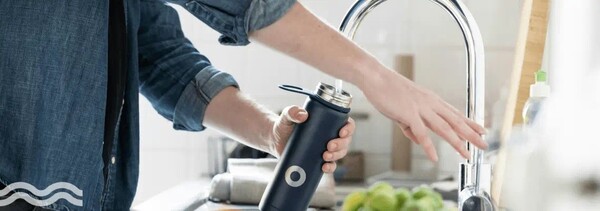
네덜란드 정부는 가정과 기업에서 물 소비는 물론 중수도 재활용(greywater recycling)을 줄일 것을 요청하는 것을 포함하는 식수 보존 계획을 발표했다. [사진출처(Photo source) = 아쿠아텍(aquatech)]
네덜란드 정부(Dutch government’s)는 가정과 기업에서 물 소비는 물론 중수도 재활용(greywater recycling)을 줄이는 내용을 주요 골자로 하는 식수 보존 계획을 발표했다.
식수 정책
네덜란드 정부는 지난 2012년에 ‘2021∼2026년의 식수 정책 보고서(Drinking Water Policy Paper 2021-2026)’를 채택했다. 이 정책의 주요 목표는 ‘현재와 미래에 유럽 및 카리브해 네덜란드의 모든 사람에게 충분한 양질의 식수를 제공(provide sufficient drinking water of good quality for everyone in the European and Caribbean Netherlands, now and in the future)’하는 것이다.
2022년 5월 ‘중앙정부는 지방자치단체, 식수공급회사, 이해관계자와 함께 경제적이고 의식적인 식수 사용을 위한 접근법을 개발한다’는 내용의 ‘실행 및 실행 의제(IenU agenda)’를 통해 정책이 추가로 조정되었다.
그러나 가뭄 기간과 식수공급회사의 용량 확장의 병목현상이 결합되어 언론의 관심이 높아지면서 향후 식수 가용성이 의제로 떠오르게 되었다.
인구 증가와 수요 증가
네덜란드 정부는 2030년에 총 식수 수요가 2020년(원래 정책이 수립된 해)보다 더 많을 것으로 예상하고 있다. 이는 연간 1억㎥의 생산 능력에 대한 추가 수요를 의미한다.
1인당 식수 사용량 증가 및 인구 증가로 인해 2030년까지 90만 가구의 새로운 주택이 추가 건설이 필요하며, 이는 모두 식수 연결이 필요하다.
특히, 기후변화로 인해 이용 가능한 깨끗한 물의 양이 줄어들고 있는 상황에서 더 많은 식수원을 찾을 필요가 있다. 식수 수요, 산업, 농업과 자연 사이에 경쟁이 계속 증가함에 따라 추가적인 식수 자원이 필요한 것이다.
식수 절약을 위한 국가 행동 계획
네덜란드 정부의 ‘식수 절약을 위한 국가 행동 계획(National Plan of Action to Save Drinking Water, NPvA)’은 2021∼2026년 계획의 목표를 달성하는 동시에 예상되는 2030년 요구사항을 충족시키려고 시도하고 있다. 이는 소비자 행동 변화, 물 가치 평가, 보유, 저장 및 복구를 포함하여 식수 사용량을 줄이기 위한 국가 계획 수립을 제시한다.
이 계획은 지역수자원공사협회(Vewin), 주정부 간 협의체(Interprovincial Consultation), 인프라 및 수자원 관리부(Infrastructure and Water Management) 간 2023∼2030년 식수원 가용성을 위한 행동 프로그램간의 공동 프로젝트가 될 식수의 가용성을 확보하고 증가시키기 위한 행동 프로그램과 함께 작동된다.
네덜란드 정부의 ‘식수 절약을 위한 국가 행동 계획(NPvA)’은 2021∼2026년 계획의 목표를 달성하는 동시에 예상되는 2030년 요구사항을 충족하려고 시도하고 있다. 이는 소비자 행동 변화, 물 가치 평가, 보유, 저장 및 복구를 포함하여 식수 사용량을 줄이기 위한 국가 계획 수립을 제시한다. [사진출처(Photo source) = 아쿠아텍(aquatech)]
계획 달성 위해 설정하는 것
이 계획은 다음과 같은 목표를 설정했다. 첫째, 2035년까지 1인당 식수 소비량 100L(현재 125L)를 목표로 노력하고 저등급 식수 사용을 제한한다.
둘째, 물의 부족한 가용성과 관련하여 물 수요 증가의 영향을 제한하기 위해 대규모 소비자에게 식수 소비를 20% 줄일 것을 요청한다.
셋째, 2035년까지 물을 고려한 건축이 입증되어 신축 및 개조의 표준이 되어 1인당 식수 소비량이 하루 평균 100L로 감소할 것이다.
넷째, ‘올바른 사용을 위한 올바른 품질’을 위해 기업 사용자와 가정 소비자 모두에서 낮은 가치의 식수 사용을 제한한다.
이 계획은 중앙정부, 지방자치단체, 수자원국, 개인 및 기업 소비자, 식수공급회사, 건설 및 설치 부문, 주택공사와 같은 서비스 제공업체 간의 협력이 필요하다는 점을 강조하고 있으며, 이러한 대표자들이 계획 초안 작성에 참여했다.
2035년까지 물을 고려한 건축이 입증될 것
그것은 또한 현재의 이행이 감시되고 평가됨에 따라 그 계획의 추가적인 반복이 있을 것이라는 것을 인정한다. 계획에는 다음과 같이 명시되어 있다.
“우리는 장기적인 이동·프로세스를 시작하고 새로운 통찰력과 개발에 적응할 수 있다. 식수를 절약하는 것은 장기적인 과정이다. 태도와 습관의 조정, 법과 규정의 조정, 필요한 지식의 수집과 결과의 실행은 몇 년 안에 이루어지지 않는다. ”
또한 이것은 “우리가 서로에 대한 장기적인 약속을 하고 계획을 역동적으로 유지해야 한다는 것을 의미한다. 이것이 우리가 계획의 결과를 점점 더 똑똑하게 만들고 결국 목표를 달성 할 수 있는 유일한 방법이다.”
[원문보기]
Dutch government’s plan to save drinking water includes greywater recycling
The Dutch government has set out plans to conserve drinking water that include asking households and business to reduce consumption and greywater recycling.
Drinking Water policies
In 2012, the Dutch government adopted the Drinking Water Policy Paper 2021-2026. The policy's main objective is to 'provide sufficient drinking water of good quality for everyone in the European and Caribbean Netherlands, now and in the future'.
The policy was further adapted in May 2022, through the Implementation and Implementation Agenda (IenU agenda), which stated that 'the central government will develop an approach for economical and conscious drinking water use together with local authorities, drinking water companies and stakeholders'.
However, a combination of periods of drought and bottlenecks in capacity expansion by drinking water companies has led to growing media attention and put the future availability of drinking water on the agenda.
A growing population and increasing demand
The government expects total drinking water demand to be higher in 2030 than 2020 (the year the original policy was being drafted). This equates to an additional demand on production capacity of 100 million m3 annually.
Drinking water per capita has increased and population growth means an additional 900,000 new homes will be needed by 2030, all of which require drinking water connections.
There is a need to find more drinking water at a time when climate change is reducing the amount of clean water available. Additional sources are needed as competition continues to grow between drinking water needs, industry, agriculture and nature.
National Plan of Action to Save Drinking Water
The National Plan of Action to Save Drinking Water (NPvA) attempts to deliver the objectives of the 2021-26 plan, while meeting the expected 2030 demands. It sets out a national plan for reducing drinking water usage, including changing consumer behaviours, valuing water, retention, storage, and recovery.
The Plan will work in tandem with an action programme for securing and increasing the availability of drinking water that will be a joint project between Vewin, the Interprovincial Consultation, and the Ministry of Infrastructure and Water Management - Action Programme for the Availability of Drinking Water Sources 2023-2030.
What the plan sets out to achieve
The plan sets out the following targets:
Working towards a per capita drinking water consumption of 100 litres by 2035 (currently 125 litres) and limiting low-grade use of drinking water.
Asking large-scale consumers to reduce drinking water consumption by 20 per cent to limit the effect of an increase in water demand in relation to the scarcer availability of water.
By 2035, water-conscious construction will have proven itself and will have become the standard for new construction and renovation, so that drinking water consumption per capita will have fallen to an average of 100 litres per day.
Low-value use of drinking water will be restricted, both by business users and by households, in a strive for 'right quality for the right use'.
The plan highlights the need for cooperation between the national government, provinces, municipalities and water boards, private and business consumers, drinking water companies, the construction and installation sector, and service providers such as housing corporations, and as such representatives of all were involved in drafting the plan.
By 2035, water-conscious construction will have proven itself
It also acknowledges that there will be further iterations of the plan as the current implementation is monitored and assessed.
The plan states: "We initiate a longer-term movement/process and remain adaptive to new insights and developments. Saving drinking water is a long-term process. Adjustments in attitudes and habits, adjustments in laws and regulations, gathering the necessary knowledge and implementation of the consequences are not done in a few years. This means that we enter into a long-term commitment to each other and that we have to keep the plan dynamic. This is the only way we can make the results of the plan more and more SMART and achieve the goal at the end."
[출처 = 아쿠아텍(aquatech)(https://www.aquatechtrade.com/news/water-reuse/dutch-plan-drinking-water-reuse-greywater-conservation) / 2024년 7월 11일]
|  즐겨찾기 추가
 시작페이지로 설정
























