[미국] 카길, 미네소타대학교와 저탄소 운송연료 대체를 위한 카멜리나 말냉이 연구 협력
농작물 생물학 및 관리에 대한 연구를 촉진하기 위해 250만달러 지원
수질·토양 건강 및 랜드마크 개선해 농업공급망의 주요국 가능성 문제 해결
종자지방으로 지속가능한 항공연료 및 재생가능한 디젤 등 저탄소 운송연료 대체품 정제가능
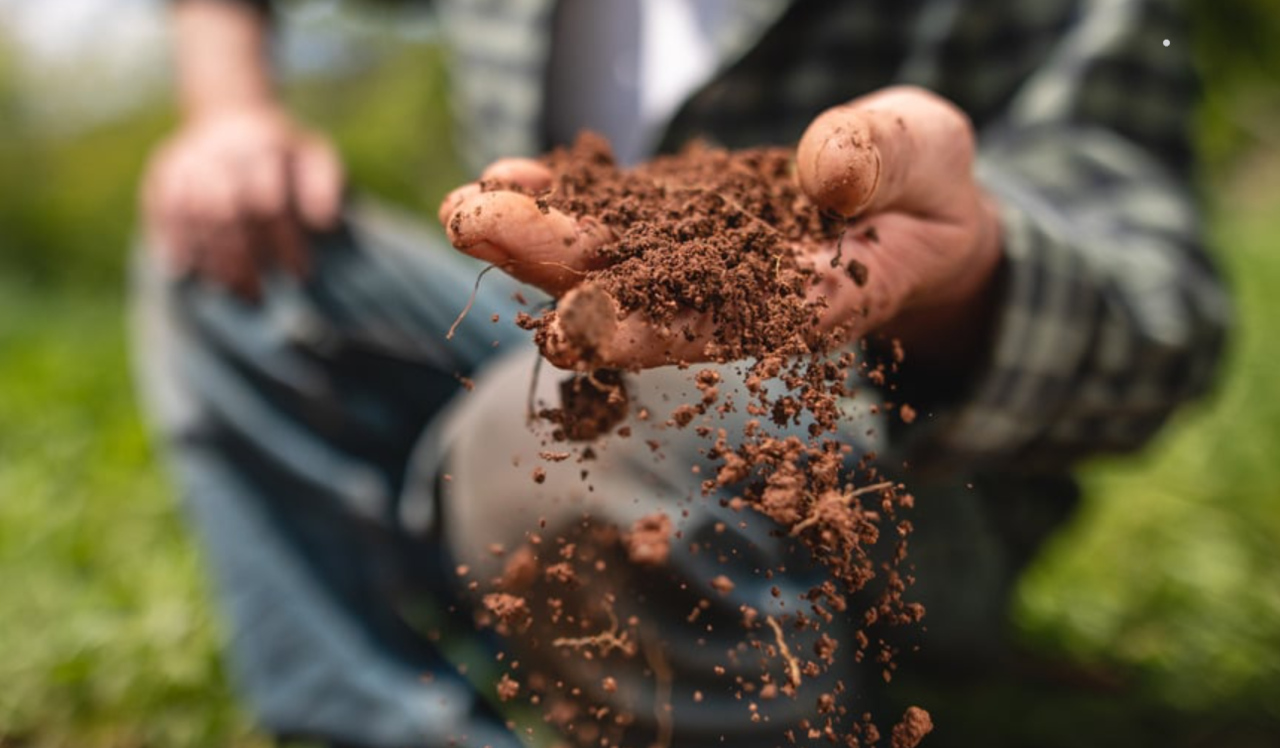
카길(Cargill)은 미네소타대학교(University of Minnesota) 연구 플랫폼인 '포에버 그린 이니셔티브(Forever Green Initiative)'와 겨울 카멜리나(Camelina)와 말냉이(Pennycress)를 연구하기 위해 협력한다고 밝혔습니다. [사진출처(Photo Source) = 카길(Cargill)]
카길(Cargill)은 미네소타대학교(University of Minnesota) 연구 플랫폼인 '포에버 그린 이니셔티브(Forever Green Initiative)'와 겨울 카멜리나(Camelina)와 말냉이(Pennycress)를 연구하기 위해 협력한다고 밝혔습니다. 이번 협력은 미 중서부의 독특한 재배면적에 국한되지 않고 광범위한 종자 품종 및 농업 기술 개발에 중점을 두고 있습니다.
카길은 미네소타대학교의 의학학을 빠르게 발전시키기 위해 △형질발견 △높은 처리량 체중분석 △게놈선택 △형질개발 △세포생물학 등을 튤립에 대한 전문지식을 제공하기 위해. 이러한 기술을 적용하는 것은 카멜리나와 말냉이의 개량된 품종 개발과 상업적 출시를 건설할 수 있는 허가입니다.
이 프로젝트는 농작물 생물학 및 관리에 대한 연구를 촉진하기 위해 카길이 미네소타대학교에 지원하는 250만 달러 규모의 기술력을 기반으로 합니다.
미치 헌터(Mitch Hunter) 포에버 그린 이니셔티브 부국장은 "카길의 지원은 우리의 연구를 다음으로 끌어올리고 미네소타 등 다른 지역의 농부들을 위해 더 나은 품종의 카멜리나와 말냉이를 개발하는 데 도움이 될 것"이라고 하며 "이번 연구 파트너십을 맺게 된다면 규모가 커질 것이다"고 말했다.
가을에 심고 봄에 수확하는 겨울 카멜리나와 말냉이는 일반적으로 토양피복(Soil Cover)을 제공하고 수질 및 토양 건강과 생태계를 개선하는 등 농업 공급망의 주요 지속 가능성 문제를 해결할 수 있는 중간 지방종자 작물(Intermedite Oilseed Crops)로 재배된다. 작물은 옥수수와 콩과 함께 순환 사용되거나 밀과 같은 작은 종자 작물 재배 후 사용될 수 있다.
이러한 작물의 높은 지방 함량을 고려할 때 저탄소 집약 공급원료(Low-carbon Intensity Feedstocks)에 대한 수요 증가에 힘입어 카멜리나와 말냉이를 대체 작물로 재배함으로써 새로운 수익 기회를 창출할 수 있다. 종자 지방은 지속 가능한 항공 연료와 재생 가능한 디젤 등 저탄소 운송 연료의 대체물로 정제될 수 있다.
라일 드파우(Lyle DePauw) 카길 작물혁신부 책임자는 "농업의 혁신은 기후변화를 해결하는 동시에 지속 가능한 연료를 공급하는 데 매우 중요하다"며 "카멜리나와 말냉이는 세계 운송 시스템의 탈탄소화를 촉진하고 보다 지속 가능한 식량 시스템을 지원할 것"이라고 밝혔다.
[원문보기]
Cargill and University of Minnesota Partner on Winter Camelina and Pennycress Research
Project will help develop new seed varieties and a grower playbook tailored to Upper Midwest growing conditions
MINNEAPOLIS (July 10, 2024) -- Cargill and the Forever Green Initiative, a research platform in the College of Food, Agricultural and Natural Resource Sciences at the University of Minnesota, are partnering to study winter camelina and domesticated pennycress. The collaboration will focus on the development of high performing seed varieties and farming techniques adapted for the unique growing conditions of the Upper Midwest.
Cargill will bring expertise in crop improvement—including trait discovery, high throughput genotyping, genomic selection, trait development and cellular biology—to rapidly advance the diverse genetics from the University of Minnesota. The application of these technologies will accelerate the development and commercial release of improved varieties of camelina and pennycress.
The project builds on a previously announced $2.5 million philanthropic grant awarded to the University from Cargill to accelerate research into crop biology and management.
“This support from Cargill will take our breeding and genomics work to the next level and help us develop even better varieties of camelina and pennycress for farmers in Minnesota and beyond,” said Mitch Hunter, associate director of the Forever Green Initiative. “We are incredibly grateful to Cargill for this very generous research partnership.”
Planted in the fall and harvested in the spring, winter camelina and domesticated pennycress are typically grown as intermediate oilseed crops that provide soil cover and have the potential to address key sustainability challenges in agricultural supply chains including water quality, soil health and ecosystem improvements. The crops can be used in a rotation with corn and soy or after small seed crops like wheat.
Given the high oil content of these crops, there is an emerging revenue opportunity to grow winter camelina and pennycress as cash crops, driven by rising demand for low-carbon intensity feedstocks. The seed oil can be refined into drop-in replacements for low-carbon transportation fuels such as sustainable aviation fuel and renewable diesel.
카길의 작물 혁신 책임자인 라일 드포는 "농업 혁신은 기후 변화에 대처하는 동시에 지속 가능한 식량과 연료를 공급하는 데 매우 중요합니다."라고 말했습니다. "카길은 미네소타 대학교와 협력하고 농부들과 협력하여 새로운 시장 기회를 개척한 오랜 역사를 가지고 있습니다. 겨울 카멜리나와 페니크레스는 세계 운송 시스템의 탈탄소화를 돕고 보다 지속 가능한 식량 시스템을 지원할 수 있는 엄청난 잠재력을 가지고 있습니다."
카멜리나의 활동적인 파일럿 진행 중
카길은 미네소타와 노스다코타의 소수 농부들과 적극적으로 협력하여 카멜리나에 적합한 재배 조건에 대해 더 많이 알아보고 있으며, 이번 달에 첫 수확이 마무리됩니다. 카길이 파일럿을 확대함에 따라 농부들이 8월 1일부터 겨울 카멜리나를 운영 옵션으로 탐색할 수 있는 추가 기회가 생길 것입니다.
Cargill의 시범 프로그램에 참여하는 미네소타 농부는 Minnesota Department of Agriculture의 지원을 받아 Clean Water Council에서 자금을 지원하는 Environmental and Economic Clusters of Opportunity(EECO)라는 Forever Green 프로그램을 통해 지원을 받을 수 있습니다. EECO 프로그램은 겨울 카멜리나를 재배하는 농부에게 농업 지원, 환경 혜택 지급 및 위험 관리 지급을 제공합니다. 관심 있는 농부는 z.umn.edu/EnrollEECO에서 자세히 알아보고 등록할 수 있습니다.
[출처 = 카길(Cargill) ( https://www.cargill.com/2024/cargill-and-the-forever-green-initiative ) / 2024년 7월 10일]
|  즐겨찾기 추가
 시작페이지로 설정
























