[아시아] [2024] [카자흐스탄] EDB, “중앙아시아 1천만명 안전한 식수 이용 못해”
이름
관리자
작성일
2024-07-08
조회수
2174
파일첨부
[카자흐스탄] EDB, “중앙아시아 1천만명 안전한 식수 이용 못해”
1994∼2020년 도시·가정서 물사용량 100% 증가했지만 식수 공급 인프라 투자 미흡
국제금융기구서 자금 적극 유치·민관합자투자사업(PPP) 활성화·관세제도 개선 시급
EDB(유라시안개발은행), 『중앙아시아 식수 공급과 위생』 연구보고서서 밝혀
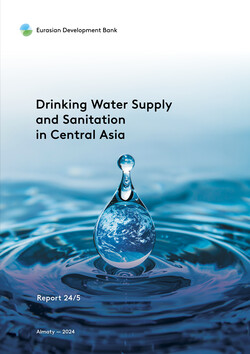
유라시안개발은행(EDB)이 최근 발간한 『중앙아시아 식수공급과 위생에 관한 연구』 보고서는 표지. [사진출처(Photo source) = 유라시안개발은행(EDB)]
유라시안개발은행(Eurasian Development Bank, EDB)이 최근 발간한 『중앙아시아 식수공급과 위생에 관한 연구(Drinking Water Supply and Sanitation in Central Asia)』새로운 연구보고서는 중앙아시아(Central Asia)의 식수 공급 및 위생 인프라 현황에 대한 심층 분석을 제공하고 있다.
오는 2030년까지 유엔의 지속가능개발목표(SDGs)를 달성하는 데 필요한 투자 금액을 추정하고 안전한 식수와 위생 시설에 대한 접근을 제공하기 위한 포괄적인 접근 방식을 수립한다.
EDB가 최근 발간한 새로운 보고서에 따르면, 중앙아시아 지역의 약 1천만 명(14%)의 사람들이 안전한 식수를 이용하지 못하고 있다. 지난 1994년부터 2020년까지 도시 및 가정에서 필요로 하는 물 사용량은 100% 증가했다.
그러나 이러한 성장에는 식수 공급 인프라에 대한 투자가 충분하지 않다. 2025∼2030년의 과제를 달성하기 위해 이 부문은 연간 20억 달러(약 2조7천650억 원)의 추가 투자가 필요하다.
세계의 많은 지역의 물 안보가 현재 위협받고 있다. UN에 따르면, 약 20억 명의 사람들이 안전한 식수를 이용할 수 없고, 36억 명의 사람들이 안전한 위생 시설을 이용할 수 없는 것으로 조사됐다. 세계의 40% 이상의 사람들이 심각한 물 부족으로 고통 받는 지역에 살고 있다.
개발도상국의 생활하수의 80% 이상이 사전 처리 없이 강과 바다로 버려지고 있다. 수질오염은 세계적인 물공급 안보를 위협한다. 2025년까지 세계 하천 유역의 약 33%가 주로 수질오염으로 인한 물부족과 수문학적 및 기후적 요인의 합류로 인해 발생하는 물부족의 영향을 받을 것으로 예상된다.
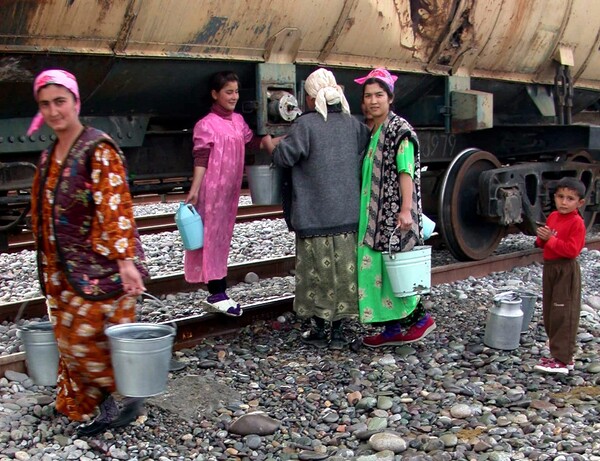
유라시안개발은행(EDB)이 최근 발간한 『중앙아시아 식수공급과 위생에 관한 연구(Drinking Water Supply and Sanitation in Central Asia)』새로운 연구보고서에 따르면, 중앙아시아 지역의 약 1천만 명의 사람들이 안전한 식수를 이용하지 못하고 있는 것으로 조사됐다. 사진은 타지키스탄(Tajikistan) 농촌지역 주민들이 열차로 실어온 식수를 받아가는 모습. [사진출처(Photo source) = 세계은행(World Bank)]
중앙아시아(CA)에서는 식수에 대한 접근 및 처리 문제가 더욱 심각하여 인구의 14%인 1천만 명이 안전한 식수에 접근하지 못하고 있다.
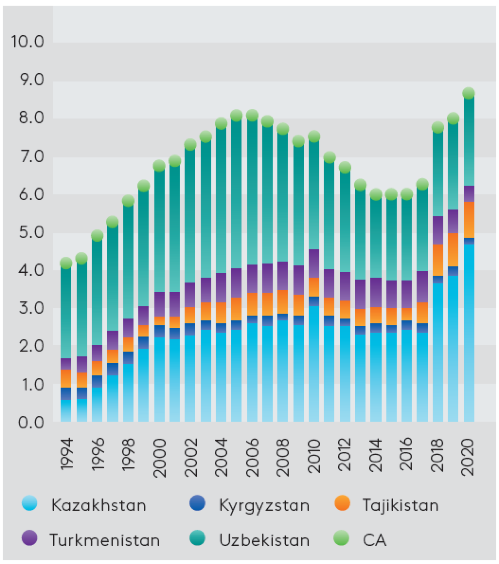
1994년과 2020년 사이 음용수 및 가정용으로 사용된 물은 2배 증가하여 8.6㎦에 달했지만, 음용수 공급 인프라 투자는 그 소비 증가율에 미치지 못했다. 그 결과 일부 추정에 따르면 중앙아시아의 경우 물 및 위생 시설 및 장비의 마모가 80%에 달할 정도로 매우 높다.
급수망의 물리적, 상업적 물손실은 55%까지 발생할 수 있다. 모든 중앙아시아 국가에서 수도 및 위생 인프라 시설의 열악한 수리상태는 적절한 운영을 방해하여 고품질의 식수 생산을 더욱 어렵게 한다.
[그림 1] 중앙아시아의 유틸리티 및 가정 부문별 취수량 (단위 : ㎦/년, 1994∼2020년)
※이 자료는 2024년 AQUASTAT(FAO의 물과 농업에 관한 글로벌 정보시스템)에서 제공한 데이터를 사용하여 EDB 전문가들에 의해 작성되었다. [그림출처(picture source) = 유라시안개발은행(EDB)]
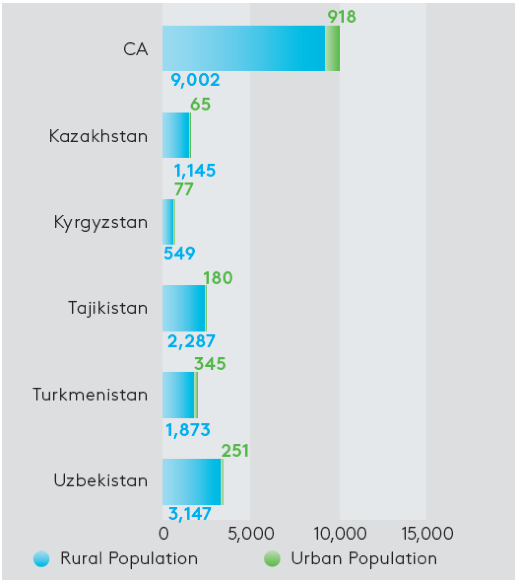
중앙아시아에서 채택한 물 및 위생 분야 개발 계획 및 프로그램에 대한 재정지원 범위는 2030년까지 SDG6의 달성을 보장하기에는 분명히 부족하다. 2025∼2030년 계획된 재원 조달 약속과 예상되는 재원 조달 약속을 비교하면, 이 지역은 이 기간 동안 120억 달러(16조5천900억 원) 이상, 즉 매년 약 20억 달러(약 2조7천650억 원)의 적자에 직면해 있다는 결론이 나온다.
중앙아시아 국가들은 큰 도전에 직면해 있다. 이들 국가는 물과 위생 부문에 대한 자금 조달을 늘려야 한다. 보고서에 설명된 수많은 솔루션 중 세 가지가 필요한 투자 자본을 늘리는 데 도움이 될 수 있다.
첫째, 국제금융기구, 다자개발은행, 개발기관 등 국제금융기구(IFIs, International Financial Institutions)으로부터 자금을 적극적으로 유치하여 자금 격차를 줄일 수 있다. 이들 기관은 중앙아시아의 수자원 및 위생 부문 자금 조달에 상당한 잠재력을 발휘한다.
현재 이 부문은 중앙아시아 국가에 제공되는 IFI 승인 국부 자금 총액의 6%만을 차지하며, 2008∼2023년에 완료된 40억 달러(총 675억 달러 중) 가치의 147개 프로젝트가 있다. 그러나 해당 부문의 투자 매력이 향상됨에 따라 IFI는 자금 조달에 보다 적극적으로 참여하기로 결정할 수 있다. 기업 금융 부문의 잠재력은 새로운 유리한 제도적 환경의 출현과 민간기업의 등장으로 더욱 커질 수 있다.
둘째, 중앙아시아 수자원 및 위생 부문에는 민간 투자와 대규모 참여자가 필요하다. 이들 기업을 유치하려면 소유권과 거버넌스 구조를 수정하는 것뿐만 아니라 해당 분야의 시장 관계를 효과적으로 발전시키는 데 도움이 되는 조건을 조성하는 것도 필요하다.
[그림 2] 중앙아시아 금융 부족액 예상 (단위 : 백만 달러 및 %, 2025∼2030년)
※이 자료는 EDB 전문가들이 UN 및 정부기관에서 발표한 데이터를 기반으로 작성했다. [그림출처(picture source) = 유라시안개발은행(EDB)]
민·관협력기관을 강화하는 것이 큰 도움이 될 수 있다. 물 부문에서 민·관합자투자사업(Public-private partnership, PPP)가 활성화되면 국가 및 민간 구조가 보다 생산적인 방식으로 협력할 수 있다. 물 부문 서비스 시장의 확대는 경쟁력을 높이고 개별 기업의 운영 효율성을 향상시킬 것이다.
또한, 강력한 PPP 기관의 존재는 민간 사업자가 물 부문 프로젝트에 참여하도록 장려할 가능성이 높다. 민간기업의 출현은 중앙아시아 국가가 투자를 유치하고 해당 부문을 현대화하는 데 필요한 혁신, 기술 및 경험에 접근하는 데 도움이 될 것이다.
셋째, 관세제도 개선 주장이 점점 더 설득력을 얻고 있다. 현재 이 지역의 상하수도요금이 극도로 낮기 때문에 중앙아시아 국가는 물 및 위생 회사의 재정적 지속 가능성을 개선하기 위해 부분적으로 요금을 인상할 수 있다.
이는 인프라 개발에 대한 투자를 촉진하고 서비스 품질을 향상시킬 수 있다. 중앙아시아 국가는 또한 관세 승인 및 검토 기능을 해당 부문에서 운영되는 회사에 위임할 수 있으며, 통제 기능은 지방정부기관이나 독립 규제 기관에 부여된다.
국제 모범사례에 따르면 물 및 위생 회사가 보조금 및 소프트 대출 형태로 국가 지원을 유지하는 것뿐만 아니라 저소득층 및 사회적으로 불리한 집단에 대한 목표 보조금을 유지하는 것이 중요하다.
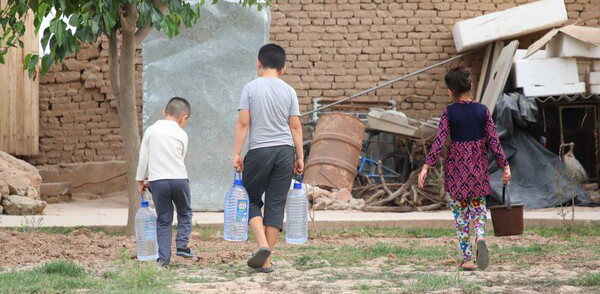
중앙아시아 지역에서는 1994년부터 2020년까지 도시 및 가정에서 필요로 하는 물 사용량은 100% 증가했지만, 식수 공급 인프라에 대한 투자가 충분하지 않아 급수망의 물리적, 상업적 물손실은 55%까지 발생할 수 있다. [사진출처(Photo source) =CABAR.asia]
수자원 및 위생 분야의 투자 프로젝트 실행은 상당한 경제적 영향을 미칠 수 있다. 이러한 프로젝트는 공중보건, 교육 및 사회복지에 필수적이다.
식수 공급 및 처리 인프라에 대한 투자는 경제에 상당한 승수 효과를 가져온다. 해당 인프라를 업그레이드하도록 설계된 중앙아시아 프로젝트에 투자된 1달러는 평균 3달러의 추가 수익을 창출한다.
제안된 금융 솔루션에는 제도적, 기술적 조치가 수반되어야 한다. 이러한 조치는 전체적으로 EDB 문서에 공식화된 통합 접근 방식의 주요 구성 요소를 구성한다.
[원문보기]
Drinking Water Supply and Sanitation in Central Asia
Reports and working papers focus on current economic issues in EDB member states in the light of both regional and global economic developments.
A new EDB study provides an in-depth analysis of the current state of drinking water supply and sanitation infrastructure in Central Asia. It estimates the amount of investment needed to meet the SDGs by 2030 and formulates a comprehensive approach to provide safe drinking water and access to sanitation.
Almost 10 million people in the region do not have access to safe drinking water. From 1994 to 2020, the volume of water withdrawal for municipal and domestic needs increased by 100%. However, investments in drinking water supply infrastructure were inadequate to this growth. To meet the challenges in 2025-2030, the sector needs an additional $2 billion of investment annually.
Water security in many regions of the world is currently under threat. According to the UN, about 2 billion people have no access to safe drinking water, and 3.6 billion people have no access to safe sanitation. Over 40% of people in the world live in regions afflicted with a critical shortage of water.
More than 80% of domestic wastewater in developing countries is dumped into rivers and seas without preliminary treatment. Water pollution undermines global water supply security. It is projected that by 2025 about 33% of the world’s river sub-basins will be affected by water scarcity caused primarily by water pollution and the confluence of hydrologic and climatic factors.
In Central Asia (‘CA’), the challenges of access to and treatment of drinking water are even more acute, with 10 million people, or 14% of the population, having no access to safe drinking water.
Water withdrawals for drinking and domestic uses increased twofold to reach 8.6 km3 between 1994 and 2020, while investments in drinking water supply infrastructure failed to match that consumption growth. As a result, water and sanitation equipment wear and tear is extremely high, reaching 80% in CA according to some estimates.
Physical and commercial water losses in distribution networks can be as high as 55%. In all CA countries, the poor state of repair of water and sanitation infrastructure facilities impedes their proper operation, making it more difficult to produce high-quality drinking water.
The scope of financial support for water and sanitation sector development plans and programmes adopted in CA is clearly insufficient to ensure the achievement of SDG 6 by 2030. A comparison of planned (anticipated) and projected 2025?2030 financing commitments leads to the conclusion that the region is facing a deficit of more than $12 billion over the period, or about $2 billion per year.
The largest financing shortfall among the countries of the region is expected to occur in Uzbekistan: $826 million per year, or almost $5 billion in 2025?2030. A large financing shortfall is also projected for Kazakhstan at $700 million per year, or $4.2 billion in 2025?2030. In Tajikistan, the financing shortfall will also be significant given the size of the country’s economy, reaching $209 million per year, or more than $1.2 billion in 2025-2030.
The CA countries are facing a major challenge: they need to raise financing for their water and sanitation sector. Among the numerous solutions described in the paper, three could help to raise the required investment capital.
First, the funding gap can be reduced by actively attracting financing from international financial organisations, multilateral development banks, development agencies, etc. (“IFIs”). These institutions wield a significant potential for the financing of the water and sanitation sector in CA.
At this time, the sector accounts for only 6% of total IFI-approved sovereign funding provided to the CA countries, with 147 projects valued at $4 billion (out of a total of $67.5 billion) completed in 2008-2023. However, as the sector’s investment appeal improves, IFIs may resolve to become more actively involved in its financing.
The potential of the corporate financing segment can also become significant with the emergence of a new favourable institutional environment and the arrival of private players.
Second, the CA water and sanitation sector needs private investments and large players. To attract them, it will be necessary not only to modify the ownership and governance structure, but also to create conditions conducive to effective development of market relations in that area.
The strengthening of public-private partnership institutions can be of great help. With PPPs active in the water sector, state and private structures will be able to cooperate in a more productive fashion. Expansion of the water sector services market will boost competitiveness and improve the operating efficiency of individual companies.
Further, the presence of strong PPP institutions is likely to encourage private operators to join water sector projects. The advent of private players will help the CA countries to attract investments and gain access to innovations, technologies, and experience required to modernise the sector.
Third, the case to improve the tariff system is becoming increasingly compelling. With current water tariffs in the region being extremely low, the CA countries can partially hike them to improve the financial sustainability of water and sanitation companies.
This will stimulate investments in the development of infrastructure and improve the quality of services. The CA countries can also delegate their tariff approval and review functions to the companies operating in the sector, with control functions vested in local government bodies or independent regulatory bodies.
International best practices indicate that it is important for water and sanitation companies to retain state support in the form of subsidies and soft loans, as well as to preserve targeted subsidies for low-income and socially disadvantaged groups of the population.
The implementation of investment projects in the water and sanitation sector can have a significant economic impact. These projects are vital for public health, education, and social well-being.
Investments in drinking water supply and treatment infrastructure produce a considerable multiplier effect for the economy. Each dollar invested in CA projects designed to upgrade that infrastructure will, on average, generate three additional dollars.
The proposed financial solutions must be accompanied by institutional and technical measures. Such measures, as a whole, constitute a major component of the integrated approach formulated in the EDB paper.
 즐겨찾기 추가
 시작페이지로 설정