미국 환경보호청(EPA)는 ‘물 독성 센서 챌린지(Water Toxicity Sensor Challenge)’ 2단계 우승자로 아쿠아 사이언스(Aqua Science, LLC)가 선정됐다고 발표했다.
아쿠아 사이언스는 물속 독소에 노출됐을 때 반응하는 생물발광 박테리아를 사용하는 ‘바이오라이트 톡시(BioLight Toxy)’로 최종 우승자로 선정됐으며, 총 10만 5천 달러의 상금을 받았다.
살충제, 퍼스널 케어 제품 및 기타 화학 오염물질과 같은 오염물질은 물속 독성을 증가시키고, 인간과 수생생물에 노출돼 문제를 일으킬 수 있다. 이러한 화학물질은 호흡과 같은 신체의 정상적인 기능을 방해하고, 만성 질환 및 유해한 건강 문제를 유발할 수 있다.
기존에 사용되고 있는 측정 방법은 이러한 오염물질을 식별하는 데 많은 비용이 들고, 전문 실험실과 인력, 많은 시간이 필요한 경우가 많다. 또한 오염물질의 정체를 알 수 없는 경우 검출이 더 어려워질 수 있다.
EPA와 파트너는 물속 독성을 모니터링하는 방법을 개선하기 위해 ‘물 독성 센서 챌린지’를 마련했다.
챌린지는 두 단계로 구성되며, 1단계는 컨셉 디자인과 프로토타입 개발이 포함된다. 1단계 참가자는 디자인한 시스템이 유해 화학물질이나 독소에 노출을 때 독성 활성화를 감지할 수 있는 방법을 설명하는 서면 개념을 제출했다.
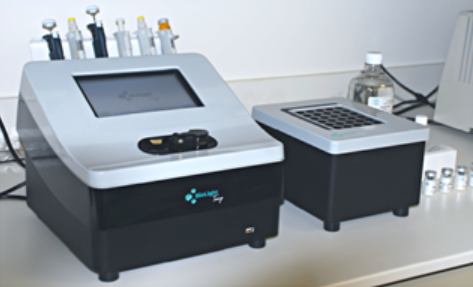
‘바이오라이트 톡시(BioLight Toxy)’ [사진출처 = EPA]
2단계에서 참가자는 프로토타입 센서에 대한 설명과 물속 독성을 검출하는 능력에 대한 초기 테스트 결과를 제출했다. 평가 위원회는 독성을 감지할 수 있는 시스템의 능력과 사용의 용이함 등 몇 가지 기준에 따라 결선 진출자를 선정했다. 결선 진출자는 최종 우승을 가리기 위해 승인된 제3자 평가자에게 시스템을 테스트 받았다.
수상작인 바이오라이트 톡시(BioLight Toxy)는 프로토타입의 초기 데이터와 제3자 평가 결과를 바탕으로 선정됐다.
[원문보기]
EPA and Partners Announce Winner of Water Toxicity Sensor Challenge
Today, June 20, 2024, the U.S. Environmental Protection Agency announced the results of Phase Two of the Water Toxicity Sensor Challenge. The challenge winner, Aqua Science, LLC, is receiving a prize of $105,000 for their innovative system, BioLight Toxy, that uses a bioluminescent bacterium that responds when exposed to toxins in water.
“Congratulations to the winner of the Water Toxicity Sensor Challenge for advancing an innovative water technology that offers the promise of addressing a difficult environmental problem,” said Chris Frey, EPA’s Assistant Administrator for Research and Development. “The prize-winning technological solution has the potential to advance how we monitor and protect one of our most vital resources, ensuring the safety and sustainability of our water supplies.”
Contaminants such as pesticides, personal care products and other chemical pollutants can increase toxicity in water, creating exposure concerns for humans and aquatic organisms.
These chemicals can disrupt the body's normal functions like breathing and cause chronic diseases and harmful health effects. Using existing methods, it can be costly to detect and identify many of these contaminants and often requires specialized laboratories and personnel, and extensive time. If the identity of the contaminants is unknown, it can be even more difficult to detect them.
To help improve methods for monitoring water toxicity, EPA and partners developed the Water Toxicity Sensor Challenge to encourage solvers to create new, effective solutions. The challenge consisted of two stages, first the concept design and then prototype development.
Phase One Challenge participants submitted written concepts explaining how their proposed system could detect the activation of toxic pathways when exposed to various harmful chemicals or natural toxins.
During Phase Two of the challenge, which was open to all, solvers submitted a description of a prototype sensor and the results of initial testing of its ability to detect toxicity in water.
The Challenge Committee selected finalists based on several criteria including the device’s ability to detect the presence of toxicity with quantitative data and for the device to be easy to use. Finalists were required to have their systems tested by an approved third-party evaluator for consideration for the final prize.
The winning sensor, BioLight Toxy was selected based on both the initial data from the prototype and the results of the third-party evaluation.
 즐겨찾기 추가
 시작페이지로 설정