[UAE] 두바이, 80억 달러 투입 대규모 빗물 유출 시스템 구축한다
지난 4월 16일, 75년 만에 발생한 전례 없는 대홍수로 두바이 침수
두바이 전역에 빗물 배수 네트워크 설치 등 대규모 빗물 유출 시스템 2033년까지 구축
매일 2천만㎥ 이상의 물을 흡수토록 설계…UAE의 배수용량 700% 향상시킬 계획
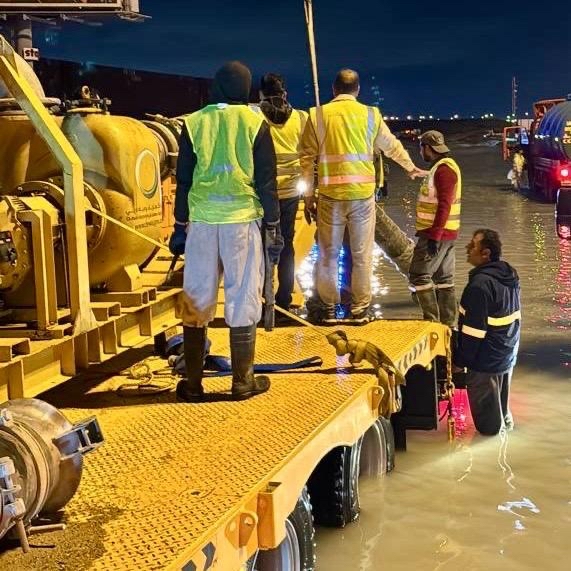
지난 4월 16일 UAE 두바이에서 발생한 대홍수로 도시가 마비되는 등 대혼란을 겪은 후, 두바이의 통치자인 셰이크 모하메드 빈 라시드 알 막툼은 80억 달러를 투입하여 두바이 전역에 빗물 배수 네트워크 설치하는 등 대규모 빗물 유출 시스템을 2033년까지 구축하겠다는 야심찬 계획을 발표했다. 사진은 DEWA 직원들이 배수장비를 이용하여 물을 빼내고 있다. [사진출처(Photo source) = 두바이수전력층(DEWA)]
두 달 전인 지난 4월 16일 아랍에미레이트(UAE) 두바이에서 발생한 극심한 홍수(Extreme flooding)는 UAE가 극심한 기상 이변에 대비하지 않았음을 보여준다. 인공 섬들과 부르즈(Burj)와 같은 거대한 건물, 우수관이나 하수 시스템과 연결되지 않은 쇼핑몰은 한때 어촌이었던 두바이가 지난 20년 동안 정신없이 건설된 도시에 대한 계획이 부족함을 보여준다.
캐나다의 오대호(Great Lakes)처럼 보이는 활주로와 쇼핑몰, 주차장이 물에 잠기는 상황에서 두바이를 업그레이드할 때가 되었음을 인식, 대규모 빗물 유출 시스템(stormwater runoff system)을 구축하기 위한 80억 달러(약 11조 560억 원)규모의 계획을 발표했다.
두바이의 통치자인 셰이크 모하메드 빈 라시드 알 막툼(Sheikh Mohammed bin Rashid Al-Maktoum)은 미래의 기후 문제를 해결하는 데 있어서 그 중요성을 강조하면서 소셜 미디어를 통해 야심찬 프로젝트를 발표했다.
두바이에 풍부한 외국인 노동자들이 대규모 인프라 프로젝트 건설을 맡게 된다. 두바이와 중동, 특히 카타르는 외국인과 이주 노동자를 착취하는 것으로 알려져 있다.
이 대규모 빗물 유출 시스템은 오는 2033년까지 완료될 예정이며, 건설이 즉시 시작될 예정인 두바이의 빗물 배수 네트워크(rainwater drainage network)는 두바이 전역을 포괄하며 매일 2천만 입방미터(㎥) 이상의 물을 흡수하도록 설계되어 UAE의 배수 용량을 700% 향상시킬 계획이다.
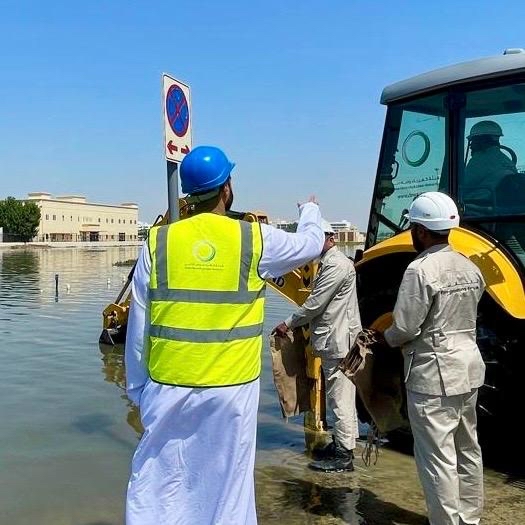
지난 4월 16일 UAE에 기록적인 폭우가 쏟아져 광범위한 홍수가 발생, 최소 4명이 사망하고 두바이 국제 공항을 포함하여 큰 혼란을 일으켰다. [사진출처(Photo source) = 두바이수전력층(DEWA)]
이는 이 지역에서 동종 프로젝트 중 가장 큰 프로젝트이다. 빗물을 사용할 것인가, 아니면 그냥 하수구로 흘러갈 것인가? 빗물은 대수층을 보충하고 사막화를 막는 데 중요하다.
아마도 그것은 일일 온도를 줄이기 위해 도시에 나무를 심는 것으로 전달될 수 있고, 강수량이 많을 때 극심한 홍수현상을 개선할 수 있다.
이번 발표는 지난 4월 16일 UAE에 기록적인 폭우가 쏟아져 광범위한 홍수가 발생한 이후 나온 것이다. 기록이 시작된 이래 75년 만에 가장 큰 폭우로 인해 최소 4명이 사망하고 두바이 국제 공항을 포함하여 큰 혼란을 일으켰다.
화석연료 배출로 인한 지구온난화로 인해 이러한 비가 더욱 심해진 것으로 여겨진다. 악천후는 인근 오만에도 영향을 미쳐 21명이 목숨을 잃었다.
2024년 6월 14일부터 19일까지 날씨와 관련된 다른 행사에서 메카로 향하는 하지 순례길(Hajj pilgrimage)에 오른 최소 1천301명의 사람들이 50℃를 넘는 극심한 더위로 인해 사망하여 지금까지 가장 치명적인 하지 중 하나가 되었다.
두바이의 이 새로운 인프라 계획은 도시가 미래의 기후변화에 대비하여 불확실하고 불확실한 상황에서도 도시의 회복력을 유지하는 것을 목표로 한다.
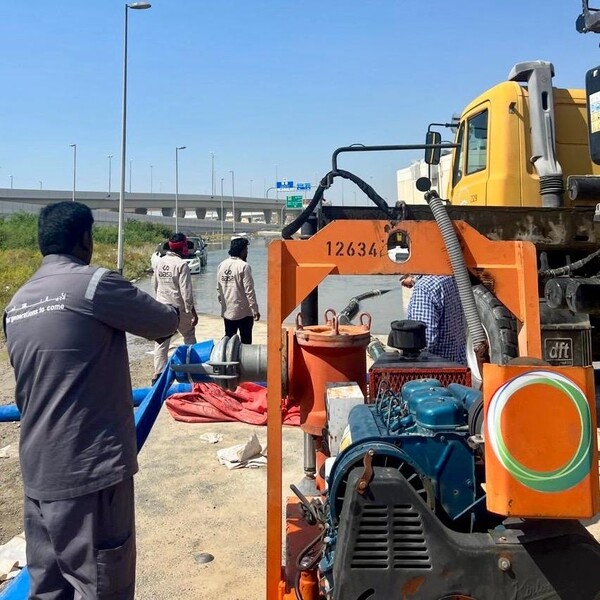
두바이의 이 새로운 인프라 계획은 도시가 미래의 기후변화에 대비하여 불확실하고 불확실한 상황에서도 도시의 회복력을 유지하는 것을 목표로 한다. [사진출처(Photo source) = 두바이수전력층(DEWA)]
[원문보기]
Dubai gets $8 Billion stormwater upgrade after massive flooding
Extreme flooding in Dubai two months ago shows unprepared the UAE is for extreme weather events. Artificial islands, massive buildings like the Burj and malls without connection to stormwater pipes or sewage systems shows the lack of planning for the city, once a fishing village, that was built up in a frenetic pace in the last 20 years.
With runways that looked like the Great Lakes in Canada and malls and parking lots flooded, Dubai understands that it’s time to upgrade and has announced an $8 billion plan to build an extensive stormwater runoff system, following unprecedented floods that paralyzed the city two months ago.
Sheikh Mohammed bin Rashid Al-Maktoum, Dubai’s ruler, announced the ambitious project on social media, highlighting its significance in addressing future climate challenges. Foreign workers, of which Dubai is plentiful, will be charged with building the massive infrastructure project. We hope human rights conditions and decent salaries will be part of the deal.
Dubai and the Middle East in general, especially Qatar, is known for exploiting foreign and migrant workers.
Set to be completed by 2033, with construction starting immediately, Dubai’s rainwater drainage network will cover all areas of Dubai and is designed to absorb more than 20 million cubic meters of water daily, enhancing the UAE’s drainage capacity by 700 percent.
This makes it the largest project of its kind in the region. Will the rainwater be put to use or will it just go down the drain? Rainwater is important for replenishing aquifers and staving off desertification.
Perhaps it could be channeled to planting trees in the city to reduce the daily temperatures and which will also improve extreme flooding events in the case of high levels of precipitation.
The announcement comes in the wake of record-breaking rains that hit the UAE on April 16, leading to widespread flooding. The deluge, the heaviest in 75 years since records started resulted in the deaths of at least four people and caused significant disruptions, including at Dubai International Airport which was washed out.
Global warming, driven by fossil fuel emissions, is believed to have intensified these rains. The severe weather also affected neighboring Oman, where 21 people lost their lives.
In other weather-related events between the 14 and 19 June 2024, at least 1,301 people on the Hajj pilgrimage to Mecca died due to extreme heat, with temperatures exceeding 50 °C, making it one of the deadliest Hajj to date.
This new infrastructure plan in Dubai aims to prepare the city for future climate events, ensuring the city remains resilient in uncertain uncertain conditions.
[출처 = 그린 프라펏(Green Prophet)(https://www.greenprophet.com/2024/06/dubai-gets-8-billion-stormwater-upgrade-after-massive-flooding) / 2024년 6월 26일]
|  즐겨찾기 추가
 시작페이지로 설정
























