[미국] 내무부, 컬럼비아 댐이 부족 공동체 미치는 부정적 영향 강조하는 보고서 발표
컬럼비아 강 유역 연어 개체수 복원 위한 부족 주도 노력 지원
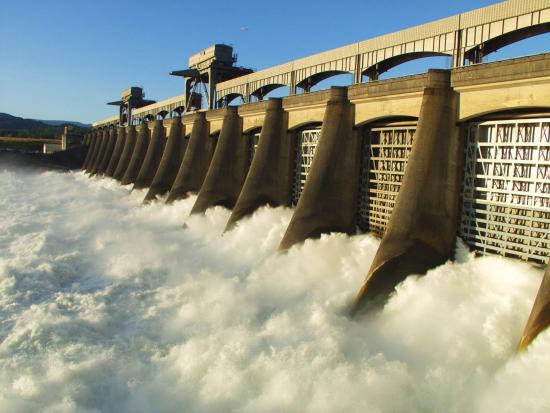
미 내무부(Department of the Interior)는 바이든 행정부의 전례 없는 약속의 일환으로 '연방댐이 콜롬비아강 유역 부족에 미치는 역사적·지속적 영향(Historic and Ongoing Impacts of Federal Dams on the Columbia River Basin Tribes)' 보고서를 발표했다. 사진은 수력 발전을 위해 보너빌 댐(bonnevile dam)에서 컬럼비아 강으로 방류하는 모습. [사진출처 = 미 내무부(Department of the Interior)]
내무부(Department of the Interior)는 바이든 행정부의 전례 없는 약속의 일환으로 '연방댐이 콜롬비아강 유역 부족에 미치는 역사적·지속적 영향(Historic and Ongoing Impacts of Federal Dams on the Columbia River Basin Tribes)' 보고서를 발표했다.
이 보고서는 연방 정부가 향후 조치에 이러한 영향을 인정하고 통합함으로써 부족에 대한 약속 강화 및 신뢰도를 제고할 수 있는 방법에 대한 권장 사항을 제공한다. 미국 정부가 태평양 북서부 부족에 연방 댐이 미치는 해악을 포괄적으로 자세히 설명한 것은 이번이 처음이다.
이번 보고서는 국립야생동물연합(National Wildlife Federation)과 미국수산청(National Marine Fisheries Service)의 보류된 소송의 일환으로 내무부가 한 약속을 이행하는 것이다. 바이든 행정부는 부족이 컬럼비아 강 유역에서 건강하고 풍부한 연어 및 기타 토착 어종 개체군을 복원하기 위한 노력을 주도하도록 지원했다.
2023년 9월 바이든 대통령은 이러한 노력을 진전시키기 위한 대통령 각서(presidential memorandum)를 발표했고, 컬럼비아 강 상류 유역의 연어 개체수를 복원하기로 합의했다고 발표했다.
2023년 12월, 컬러비아 강 하류 유역의 연어 개체수를 복원하고, 부족이 후원하는 청정 에너지 생산을 확대하며, 농업, 에너지, 친수활동 및 교통을 위해 컬럼비아 강 시스템에 의존하는 지역 사회에 안정성을 제공하기 위한 역사적인 합의를 발표했다.
뎁 홀랜드(Deb Haaland) 내무부 장관은 “아주 오래전부터 컬럼비아 강과 그 지류를 따라 있는 부족은 생계와 문화적, 영적 생활 방식을 위해 태평양 연어, 무지개송어(steelhead) 및 기타 토착 어종에 의존해 왔습니다. 부족 공동체에 대한 연방 수력 발전 댐의 파괴적인 영향을 인정하는 것은 연어의 생태계를 보호하고 과거의 물로 복원하려는 미국의 노력에 필수적”이라면서 “부족 공종체에 대한 연방 정부의 약속을 지키려는 지속적인 노력의 일환으로 내무부는 토착 어종 개체수를 복원하고 부족에게 권한을 부여하며 지역 사회의 많은 회복탄력성 요구 사항을 충족하기 위한 포괄적이고 협력적인 유역 차원의 솔루션을 계속 추구할 것”이라고 말했다.
컬럼비아 강 유역에는 역사적으로 풍부한 야생 연어, 무지개송어 및 토착 어종이 서식해 부족 문화와 지역 사회의 번영에 기여했다. 역사적으로 매년 최대 1천600만 마리의 야생 연어와 무지개송어가 태평양 북서부 지류로 돌아와 130종 이상의 야생 동물의 먹이가 되고 부족민에게 생계를 제공했다.
20세기 초부터 컬럼비아 강 유역 전체에 대규모 다목적 수력 발전 댐 건설이 시작되면서 소하성 어류가 유역의 특정 지역으로 이동하는 것을 막았고 수천 에이커의 토지로 범람했으며, 그 결과, 많은 부족 공동체는 자신의 공동체에서 소하성 어류에 대한 접근권을 잃었다.
보고서는 전통적인 식단 변경, 부족 구성원의 전통적인 생활 방식 실행 능력 박탈, 부족 구성원이 문화적, 영적 신념에 따라 자녀를 가르치고 키우는 방식을 근본적으로 변화시키는 등 이러한 심각한 손실이 부족 공동체에 어떻게 충격적인 영향을 미쳤는지를 설명한다.
컬럼비아 강 유역의 연방 댐과 저수지는 모든 유역 부족에 영향을 미쳤다. 소송에 따른 약속의 일환으로 내무부의 보고서는 가장 즉각적인 영향을 받는 △쿠르델레느 부족 공동체(Coeur D’Alene Tribe of Indians) △야카마 부족 공동체(The Confederated Tribes and Bands of the Yakama Nation) △콜빌 부족 공동체(The Confederated Tribes of the Colville Reservation) △우마틸라 부족 공동체(the Confederated Tribes of the Umatilla Indian Reservation) △웜스프링 부족 공동체(the Confederated Tribes of the Warm Springs Reservation of Oregon) △네즈 페르세 부족 공동체(the Nez Perce Tribes) △쇼숀 배넉 부족 공동체(Shoshone-Bannock Tribes of the Fort Hall Reservation) △스포칸 부족 공동체(Spokane Tribe of Indians) 등 8개 부족 공동체에 대한 유역 전역의 11개 특정 댐의 영향을 고려했다.
이 보고서는 또한 연방 정부의 신뢰 책임을 강화하고 다음 세대를 위해 건강하고 회복탄력적인 컬럼비아 강 유역을 달성하기 위한 몇 가지 권장 사항을 제공한다. 이러한 책임을 강화하기 위한 권장 사항에는 연방 댐 건설 및 운영의 결과로 부족이 겪었던 고유한 불평등을 미래 국가 환경 정책에 완전히 고려하고 통합하는 것이 포함된다.
[원문보기]
Biden-Harris Administration Releases Report Highlighting Historic and Ongoing Negative Impacts of Federal Columbia River Dams on Tribal Communities
Interior Department analysis is part of broader effort to support Tribally led efforts to restore salmon populations in the Columbia River Basin
As part of the Biden-Harris administration’s unprecedented agreement to restore wild salmon in the Columbia River Basin, the Department of the Interior today released a report documenting the historic, ongoing and cumulative impacts of federal Columbia River dams on Columbia River Basin Tribes.
The report also provides recommendations for how the federal government can further its treaty and trust responsibilities to Tribes by acknowledging and integrating these impacts in future actions. It marks the first time that the U.S. government has comprehensively detailed the harms that federal dams have and continue to inflict on Tribes in the Pacific Northwest.
Today’s report – which fulfills a commitment made by the Department as part of stayed litigation in National Wildlife Federation v. National Marine Fisheries Service, 3:01-cv-640-SI (D. Or.) – is part of a broader effort from the Biden-Harris administration to support Tribally led efforts to restore healthy and abundant populations of salmon and other native fish in the Columbia River Basin.
In September 2023, President Biden issued a presidential memorandum to advance these efforts, and the Administration announced an agreement to restore salmon populations in the Upper Basin. In December 2023, the Administration also announced an historic agreement to restore salmon populations in the Lower Basin, expand Tribally sponsored clean energy production, and provide stability for communities that depend on the Columbia River System for agriculture, energy, recreation and transportation.
“Since time immemorial, Tribes along the Columbia River and its tributaries have relied on Pacific salmon, steelhead and other native fish species for sustenance and their cultural and spiritual ways of life. Acknowledging the devastating impact of federal hydropower dams on Tribal communities is essential to our efforts to heal and ensure that salmon are restored to their ancestral waters,” said Secretary Deb Haaland. “As part of our ongoing commitment to honoring our federal commitments to Tribal Nations, the Interior Department will continue to pursue comprehensive and collaborative basin-wide solutions to restore native fish populations, empower Tribes, and meet the many resilience needs of communities across the region.”
The Columbia River Basin historically supported abundant wild salmon, steelhead and native resident fish, which contributed to thriving Tribal cultures and communities. Historically, up to 16 million wild salmon and steelhead returned to Pacific Northwest tributaries each year, providing food for over 130 wildlife species and sustenance to Tribal people. Since time immemorial, members of these Tribes and their ancestors stewarded these native species and relied upon their abundance as the staples of their daily diets and ceremony.
The construction of large multipurpose, hydroelectric dams throughout the Columbia River Basin beginning at the turn of the 20th century blocked anadromous fish from migrating into certain reaches of the Basin, flooded thousands of acres of land, sacred sites, and ancestral burial grounds, and transformed the ecosystem. As a result, many Tribal communities lost access to anadromous fish in their communities.
The report outlines how these profound losses have had traumatic impacts on Tribal communities, including by altering traditional diets, depriving Tribal members of the ability to exercise traditional ways of life, and fundamentally changing how Tribal members teach and raise children in the cultural and spiritual beliefs that center around these fish.
Federal dams and reservoirs in the Columbia River Basin have impacted all of the Basin Tribes. Pursuant to commitments related to the litigation, the Department’s report considers the impacts of 11 specific dams from across the basin on eight of the basin’s Tribal Nations most immediately affected: Coeur D’Alene Tribe of Indians, The Confederated Tribes and Bands of the Yakama Nation, The Confederated Tribes of the Colville Reservation, the Confederated Tribes of the Umatilla Indian Reservation, the Confederated Tribes of the Warm Springs Reservation of Oregon, the Nez Perce Tribes, Shoshone-Bannock Tribes of the Fort Hall Reservation, and Spokane Tribe of Indians.
The report also offers several recommendations to further the federal government’s trust responsibility and achieve a healthy and resilient Columbia River Basin for generations to come.
Recommendations to further these responsibilities include fully considering and integrating the unique inequities Tribes have suffered as a result of federal dam construction and operation into future National Environmental Policy Act reviews, as well as further pursuing co-stewardship and co-management agreements; continuing efforts to consolidate Tribal homelands; and incorporating Indigenous Knowledge into decision making.
[출처 = 미 내무부(Department of the Interior)(https://www.doi.gov/pressreleases/biden-harris-administration-releases-report-highlighting-historic-and-ongoing) / 6월 18일]
|  즐겨찾기 추가
 시작페이지로 설정
























