[미국] “미국 대부분 지역서 돌발 홍수 발생 증가 예측”
미국 오클라호마대학 양홍 교수팀, ‘새로운 기후 모델링’ 연구결과 『네이처』지에 발표
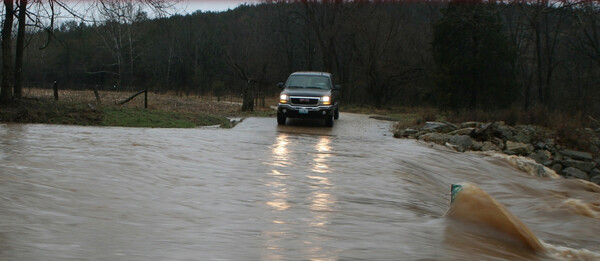
미국 오클라호마대학의 양홍(Yang Hong) 교수팀은 ‘새로운 기후 모델링’을 통해 연구조사헌 결과에 따르면, “미국 대부분 지역서 돌발 홍수 발생이 증가할 수 있다”고 예측했다. 이 연구보고서는 『네이처(Nature)』지 - 지구와 환경의 소통(Communications Earth and Environment)에 게재되었다. [사진출처(Photo source) = 오클라호마대학(OU)]
기변화에 대한 최신 UN 보고서는 지구온난화의 일부 조치를 보여 준 연구자들의 노력을 문서화했으며, 현재 연구 노력은 완화 및 적응 전략에 초점을 맞추고 있다. 미국 항공우주국(NASA ; National Aeronautics and Space Administration)은 이것을 지역 규모에서 느껴지는 세계적인 문제로 설명한다.
마찬가지로 국립해양대기청(NOAA ; National Oceanic and Atmospheric Administration) 연구원들은 기후변화를 더 잘 이해하고 대비할 수 있는 데이터, 도구 및 정보를 제공하고 있다. 지구온난화에 의해 영향을 받는 영향 중 하나는 돌발 홍수사건의 빈도와 가장 자주 발생하는 위치의 변화이다.
미국 오클라호마주 노먼에 위치한 오클라호마대학(University of Oklahoma ; OU)이 이끄는 연구팀은 NOAA(국립해양대기청)의 국립중증폭풍우연구소(National Severe Storms Laboratory ; NSSL)와 국립대기연구센터(National Center for Atmospheric Research ; NCAR)의 공동연구자들과 함께 미국 대부분의 지역에서 돌발 홍수사건(flash flooding event)의 발생이 광범위하게 증가하는 것을 입증하는 결합된 기후 및 수문학적 모델로부터 시뮬레이션을 만들었다.
이번 연구는 OU(오클라호마대학)의 토목환경과학대학과 기상학부의 수문학과 원격감지학과 교수인 양홍(Yang Hong)이 주도하고 있다. 양홍(Yang Hong) 교수는 수문기상학 및 원격감지연구소의 소장이자 OU에서 수문학과 수문보안 온라인 석사 프로그램의 창립 소장을 맡고 있다. 연구팀의 연구결과는 『네이처(Nature)』지 - 지구와 환경의 소통(Communications Earth and Environment)에 게재되었다. 하이드로스 연구소(Hydros Lab)의 박사과정 학생인 지리(Zhi Li)가 첫 번째 저자이다.
지리(Zhi Li)는 “이 연구는 OU(오클라마대학), NASA(미국 항공우주국) 및 NOAA(국립해양대기청)의 국립 중증폭풍연구소(NSSL)와 공동으로 개발한 최신 모델(EF5/CREST)을 기반으로 하고 국립대기연구센터(NCAR) 기후 과학자와 협력을 시작했다”고 말했다.
지리(Zhi Li)는 특히 “하나는 우리의 생활 기후이고 다른 하나는 우리의 미래라는 ‘지구 시스템 과학의 디지털 트윈(Digital Twin in Earth System Science)’개념을 구현한다. 우리가 그러한 연구에 성공적으로 협력할 때까지 기후 변화는 나에게 그렇게 현실적이지 않았다”라고 강조했다.

지난 2021년 7월 21일 위험한 돌발 홍수 비상 사태가 워싱턴 DC를 강타하여 월요일 러시아워 동안 여러 운전자들이 차를 버리고 지하철 노선을 지연시켰다.
국립 중증폭풍연구소(NSSL)의 수문기상학자인 조나단 J. 구리(Jonathan J. Gourley)는 “미래에 돌발 홍수로 인해 어떤 일이 일어날 지에 대한 확실한 연구는 없었다”라면서 “우리는 그렇게 강력한 관측 기록을 가지고 있지 않았다. 그래서 이 연구는 그 차이를 메우는 데 도움이 되었다. 대류 분해 기후 모델의 강우량 시뮬레이션을 사용한 다음 고해상도 수문 모델링 시스템과 결합하면 미래에 어떤 종류의 홍수가 발생할지 알 수 있다”라고 말했다.
연구팀은 돌발 홍수가 발생할 가능성이 있는 위치와 정도를 예측하기 위해 2070∼2100년 30년 기간의 기후 시뮬레이션 및 모델링을 사용했다. 연구자들이 ‘깜빡임(flashiness)’이라고 부르는 효과는 급격한 강우를 일으키고 돌발 홍수로 이어질 수 있는 기상 조건의 가능성을 설명한다.
그들은 만약 배기가스가 현재의 비율로 지속된다면, 홍수 사건은 금세기 말까지 7.9% ‘섬광(flashier)’이 될 것이며, 이는 폭우사건이 홍수로 이어질 가능성이 높은 밀집지역에서 빠르게 발생할 가능성이 높다는 것을 의미한다.
마찬가지로, 그들의 결과는 미국 남서부에서 플래시 홍수가 10% 이상 증가했음을 보여주는데, 이는 과거 돌발 홍수 핫스팟(new flash flood hotspot) 중 가장 크게 증가한 것이다. 미국 중부 지역 역시 8.6%의 증가가 예상되면서 새로운 돌발 홍수 핫스팟(new flash flood hotspot)으로 떠오르고 있다. 전반적으로, 그들의 결과는 미래의 플래시 홍수가 발생하기 쉬운 지역이 북쪽으로 이동하고 있다는 것을 보여준다.
양홍(Yang Hong) 교수는 “더 많은 사람들이 홍수에서 살아남는 방법뿐만 아니라 계속 증가하는 돌발 홍수에 더 잘 사는 방법을 배워야 할 것”이라면서 “20년 반환 홍수는 2∼5년마다 발생할 가능성이 더 높으며, 특히 노후화된 인프라와 구식 홍수위험 조치로 전례 없는 도전에 직면하게 될 새로운 돌발 홍수 핫스팟(new flash flood hotspot)에 대한 경각심을 불러일으킬 것이다. 기후 회복력이 뛰어난 엔지니어링 인프라를 구현하고 스마트 수문 조기경보 시스템을 개발할 필요성이 절실하다”고 역설했다.
조나단 J. 구리(Jonathan J. Gourley)는 “그러나 더 극단적인 영향을 억제할 시간이 아직 있다”라면서 기후 완화 전략이 도움이 될 수 있다”고 말했다. 그는 이어 “이제 더 나은 홍수 방어에 대해 생각할 때이다”라면서 “물론 온실가스 농도를 낮추는 것이 궁극적인 해결책이겠지만, 그 동안 취약성을 줄이고 돌발 홍수 안전 교육을 개선하는 방법을 생각할 수 있다”라고 덧붙였다.
조나단 J. 구리(Jonathan J. Gourley)는 “돌발 홍수와 관련된 사망자의 대부분은 홍수로 사람을 찾는 것이 아니라 사람들이 홍수를 찾아 외출하는 것”이라면서 “그들은 일반적으로 침수된 도로를 운전하고 있다”라고 말했다.
돌발 홍수(flash flooding) 발생 시 안전을 유지하는 가장 좋은 방법은 도로에서 떨어져 있고 고인 물을 피하는 것이다.
‘결정적인 미국은 하이 엔드 배출 시나리오에서 홍수가 발생하기 쉽다(The conterminous United States are projected to become more prone to flash floods in a high-end emissions scenario)’는 2022년 4월 6일 Nature : Communications Earth and Environment, DOI : 10.1038 / s43247-022-00409-6 저널에 발표되었다.
[원문보기]
New climate modeling predicts increasing occurrences of flash flooding across most of the US
The latest U.N. report on climate change documented researchers’ efforts that have shown some measures of global warming are now unavoidable, and current research efforts are focusing on mitigation and adaptation strategies. The National Aeronautics and Space Administration describes this as a global problem, felt on local scales.
Likewise, National Oceanic and Atmospheric Administration researchers are providing the data, tools and information to better understand and prepare for climate change. One of the effects being impacted by the warming climate is a change in the frequency of flash flooding events, as well as the locations in which they most often occur.
A research team led by the University of Oklahoma, with the NOAA National Severe Storms Laboratory and collaborators at the National Center for Atmospheric Research, have created simulations from coupled climate and hydrologic models that demonstrate widespread increases in the occurrences of flash flooding events across most of the United States.
The study is led by Yang Hong, a professor of hydrology and remote sensing in the School of Civil Engineering and Environmental Science and in the School of Meteorology at OU.
He is the director of the Hydrometeorology and Remote Sensing Laboratory and the founding director of the hydrology and water security online master’s program at OU. The research team’s findings are published in Nature: Communications Earth and Environment. Zhi Li, a doctoral student with the HyDROS Lab, is the first author.
“This study builds upon the state-of-the-art model (EF5/CREST) that is jointly developed by researchers with OU, NASA, and NOAA’s National Severe Storms Laboratory and has initiated collaboration with National Center for Atmospheric Research climate scientists,” said Li.
“It realizes the concept of ‘Digital Twin in Earth System Science,’ in which one is our living climate and the other one is our future. Climate change never became so real to me until we successfully collaborated on such research.”
“There hasn’t been a real definitive study on what's going to happen with flash floods in the future,” said Jonathan J. Gourley, research hydrometeorologist with the NOAA National Severe Storms Laboratory and contributor to the study.
“We didn’t have that robust of an observational record … so, this study helped to fill in that gap. By using some of the rainfall simulations from a convection-resolving climate model and then coupling with our high-resolution hydrologic modeling system, we can see what sort of flash floods would be produced in the future.”
The research team used climate simulations and modeling of a 30-year period, 2070-2100, to predict the location and degree to which flash floods are likely to occur. The effect, what the researchers call “flashiness,” describes the likelihood of weather conditions that can cause rapid rainfall and lead to flash flooding.
They found that, if emissions continued at their current rate, flooding events would become 7.9% “flashier” by the end of the century, meaning heavy rainfall events are likely to occur quickly and in concentrated areas that are likely to lead to flooding.
Similarly, their results show a more than 10% increase in flash flooding in the Southwest U.S., the greatest increase in “flashiness” among historical flash flood hotspots. The central U.S. is emerging as a new flash flood hotspot as well, with an 8.6% predicted increase. Overall, their results show future flash flood-prone regions are moving northwards.
“More people will have to learn not just how to survive floods but also how to better live with ever-increasing flash floods,” said Hong. “The 20-year return floods will more likely occur every two to five years, especially alarming for the emerging flashiness hotspots that will be facing unprecedented challenges with aging infrastructure and outdated flood risk measures. There is a pressing need to implement climate-resilient engineering infrastructure and develop smart hydrological early warning systems.”
However, there is still time to curb some of the more extreme impacts. Gourley says climate mitigation strategies could help.
“Now’s the time to start thinking about better flood defenses,” he said. “Of course, decreasing greenhouse gas concentrations would be the ultimate solution, but in the meantime, we can think about ways to reduce vulnerabilities and improve flash flooding safety education.”
“The majority of fatalities related to flash floods are not floods finding people, but people finding floods, meaning they're out and about,” he added. “They’re typically driving through a flooded roadway.”
The best way to stay safe during flash flooding events is to stay off the roads and avoid standing water.
“The conterminous United States are projected to become more prone to flash floods in a high-end emissions scenario,” was published April 6, 2022, in the journal Nature: Communications Earth and Environment, DOI:10.1038/s43247-022-00409-6
[출처=오클라호마대학(https://www.ou.edu/research-norman/news-events/2022/climate-modeling-predicts-increasing-flash-flooding) / 2022년 4월 26일자 보고서]
|  즐겨찾기 추가
 시작페이지로 설정
























