[해외연구조사 보고서] 유럽환경청, “지표의 AMR(항생제) 주요 원인, 사람과의 관계는 유지됩니다.”
2050년까지 전 세계적으로 AMR로 연결될 최대 190만, 관련이 있다는 것은 820만큼에 이를 것으로 예상됩니다.
경쟁, 도시 하·폐수 및 처리된 하수슬러지, 농업산업용 분뇨 및 향후 미래는 AMR을 환경으로 확산시키겠습니다
유럽환경청(EEA), '지표의 변형 - 더 나은 위험관리 환경모니터링 개발' 연구 발표
유럽 전역의 지표수 AMR 모니터링, 건강 위험 데이터 개선에 도움…인체 실행을 위해 위험 평가하기 위해 AMR 모니터링이 필요함
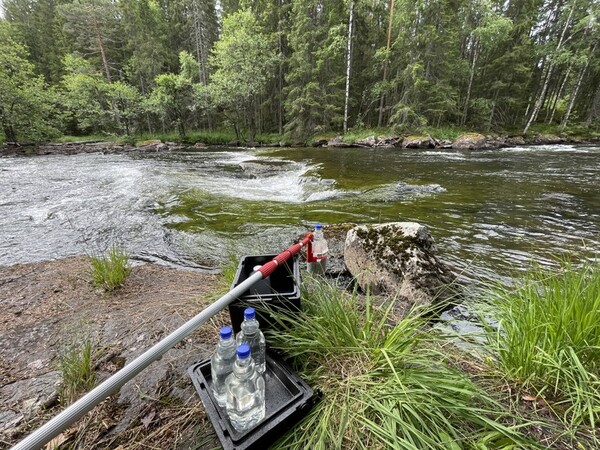
유럽환경청(EEA)이 11월 18일 발표한 '지표수의 물 저항성 - 더 나은 위험 관리를 환경 모니터링 개발(Antiicide resistance insurface waters - 개발 환경 모니터링을 위한 더 나은 위험 관리 개발)' 연구 보고서에 따르면, 수생 환경에서 하여 유럽에서 모니터링하기 초기 순위를 추적하기 위해 관리하기 위해(AMR)이 관찰해야 한다고 생각합니다. [사진출처(사진 출처) = 유럽환경청(EEA)]
유럽환경청(European Environment Agenc, EEA)이 11월 18일 발표한 '지표수의 항성제에서 - 더 나은 위험 관리를 환경 모니터링 개발(표층수의 항균성 저항성 - 더 나은 위험 관리를 위한 환경 모니터링 개발)'이라는 연구 보고서에 따르면, 수생에서 스트링거(Antimicrobiology Resistance, AMR)를 유럽 전역서 모니터링하기 위해 순위를 기준으로 하기 위해 관측하고 있다고 생각합니다.
환경 내 AMR(항균제 내성)이 이제 EU(유럽연합)의 ‘원 헬스 액션 플랜(One Health Action Plan)’의 핵심 부분으로 인정받고 있으며, 2030년부터 모니터링을 요구하는 개정된 「도시 하·폐수 처리 지침(Urban Wastewater Treatment Directive)」과 같은 새로운 EU 규칙이 적용됨에 따라 각국은 이 새롭게 확인된 수질 위험에 대한 모니터링 프로그램을 구축해야 한다.
환경 내 항생제 내성(AMR)
항생제(Antibiotics)와 항생제 내성 박테리아(Antibiotic-resistant Bacteria)는 환경에서 자연적으로 발생하지만 주요 원인은 인간과 가축의 항생제 과다 사용이다. 제약 산업, 도시 하·폐수 및 처리된 하수슬러지, 농업용 분뇨 및 폐기물의 배출은 항생제 저항성을 환경으로 확산시킬 수 있다.
자연 환경은 내성 미생물의 저장고 역할을 하여 항생제 내성 유전자의 발달 및 선택을 촉진할 수 있다. EEA(유럽환경청) 브리핑에 따르면, 미생물 간 이러한 유전자 전이는 자연적인 과정이지만, 인간 활동, 오염 및 온도와 같은 요인에 의해 더욱 심화될 수 있다.
환경 내 항생제 내성이 저항성의 발달 및 확산을 촉진하여 인간과 동물의 건강을 위협할 수 있다는 증거가 있다.

항생제(Antibiotics)와 항생제 내성 박테리아(Antibiotic-resistant Bacteria)는 환경에서 자연적으로 발생하지만 주요 원인은 인간과 가축의 항생제 과다 사용이다. 제약 산업, 도시 하·폐수 및 처리된 하수슬러지, 농업용 분뇨 및 폐기물의 배출은 항생제 저항성을 환경으로 확산시킬 수 있다. [사진출처(Photo source) = 유럽환경청(EEA)]
모니터링이 핵심이다
지표수에서의 항생제 내성(AMR) 모니터링은 식품 및 동물 건강 분야와 같은 다른 분야에서 이미 수행된 모니터링을 보완할 수 있다. EEA 브리핑은 명확한 목표, 조화로운 샘플링 방법 및 프로토콜, 견고한 품질 및 관리 절차, 중앙 집중식 데이터 보고 시스템 등 유럽 전역의 환경 AMR 모니터링을 확립하기 위해 고려해야 할 측면을 제시하고 있다. 이는 14개 유럽 국가의 전문가들이 참여한 EEA 네트워크 작업 그룹 파일럿 연구의 주요 결과를 기반으로 한다.
환경 모니터링은 AMR 발생지역(Hotspots)을 파악하고, AMR 및 전파 매개체의 확산을 평가하며, 추세 및 새로운 유전자에 대한 정보를 제공하고, 폐기물 관리와 같은 개입의 효과를 추적하여, AMR 관련 위험에 대한 이해를 강화하는 데 도움이 될 수 있다.
EU(유럽연합)의 행동
EU는 항생제 저항성 문제를 해결하기 위해 상당한 조치를 취했다. 여기에는 강력한 감시 및 모니터링의 역할을 강조하는 이른바 원 헬스(One Health) 접근법과 그 실행 계획이 포함된다.
EU의 물 관련 법률 또한 AMR 모니터링 및 보고의 필요성을 다루기 시작했다. 예를 들어, 개정된 「도시 하수처리 지침(Urban Wastewater Treatment Directive)」은 도시 하수에서 항생제 내성 모니터링을 위한 요건과 방법론을 제시한다.
물 기본 지침(Water Framework Directive), 환경 품질기준 지침(Environmental Quality Standards Directive), 지하수 지침(Groundwater Directive) 개정을 위한 잠정 합의는 AMR 지표를 지표수 및 지하수 감시 목록에 포함하고 항생제 내성 모니터링 방법을 개발할 수 있도록 해야 한다.
배 경
세계보건기구(WHO)에 따르면 AMR은 전 세계 공중보건을 위협하는 최대 위협이다. AMR 감염으로 인한 건강 부담은 인간 면역결핍 바이러스(Human Immunodeficiency Virus, HIV)나 말라리아(Malaria)와 같은 주요 질병과 비슷하며, 잠재적으로 훨씬 더 클 수 있다. 특히, AMR은 치료가 더욱 어려워지는 감염으로 이어져 질병 장기화, 의료비 증가, 사망률 증가로 이어진다.
2050년까지 전 세계적으로 AMR로 인한 사망자는 최대 190만 명, 관련 사망자는 820만 명에 이를 것으로 예측된다. 유럽 질병통제예방센터(European Centre for Disease Control, ECDC)에 따르면 EU, 아이슬란드, 노르웨이에서는 매년 3만5천 명 이상이 항생제 저항성 감염으로 사망하며, 이 수치는 최근 몇 년 동안 증가하고 있다.
AMR 감염의 주요 원인은 의료 및 수의학 환경에서 항생제의 과다 처방과 부적절한 사용이다. 시간이 지남에 따라 미생물은 항생제 화합물에 대한 내성을 갖게 된다.
병원 및 하·폐수 처리 시설에서 배출되는 물질은 항생제 내성균(Antibiotic Resistant Bacteria, ARB) 및 항생제 내성 유전자(Antibiotic Resistance Genes, ARGs)를 환경으로 확산시킬 수도 있다. 따라서 환경은 항생제 내성의 중요한 저장고로 인식되고 있으며, 잠재적으로 항생제 내성 확산에 중요한 역할을 할 수 있다.

원 헬스(One Health)는 인간, 동물, 환경 건강의 상호 연결된 특성을 강조하며 AMR 문제를 해결하기 위한 협력적이고 다부문적인 접근 방식을 지지한다. [그림출처(picture source) = 유럽환경청(EEA]
물 환경에서 AMR 모니터링하려면 무엇이 필요하나?
① 적절한 목표 지표의 선택, 샘플링 위치, 분석 방법 등을 조정하고 관련 데이터 수집을 보장하기 위해 환경 AMR 모니터링 목표를 명확하게 정의해야 한다.
② 샘플링, 분석 및 보고 방법론과 같은 방법과 프로토콜을 다양한 물 유형과 조건에 적합하도록 조화시킨다.
③ 참고 자료 사용, 실험실 간 비교 및 데이터 검증 지침을 포함하여 견고하고 포괄적인 품질 보증 및 제어 절차를 구현한다.
④ 중앙 집중식 데이터 보고 시스템을 구축하여 국내외 규모에서 효율적인 데이터 수집, 저장, 사용 및 통합을 보장하고 One Health 접근 방식에 기여하는 다른 사람들과 공유한다. 보고된 결과가 비교 가능하도록 하기 위해서는 지표 목록이나 라이브러리가 필요하다. 보고는 유럽의 기존 지표수 모니터링과 일치해야 한다.
⑤ 원헬스 커뮤니티(One Health Community.)의 기존 이니셔티브와 전문 지식을 통해 학습이 필요하다. 공중 보건, 수의학 및 식품 부문에서 AMR에 대한 중요한 경험을 바탕으로 환경 부문이 환경 모니터링을 확대할 수 있도록 지원해야 한다.
⑥ 빠르게 발전하는 이 분야에서 경험이 적은 국가들의 전문성과 역량을 강화하기 위해 역량 강화와 지식 공유를 촉진한다.
본 EEA 브리핑은 유럽 환경정보 및 관측 네트워크(European Environment Information and Observation Network, Eionet) 실무 그룹이 2024년에 실시하여 2025년 초 보고한 지표수 AMR에 관한 시범 연구를 기반으로 했다.
[원문보기]
Europe-wide monitoring for antimicrobial resistance in surface waters can help improve data on health risks
Monitoring of antimicrobial resistance (AMR) is needed to better protect public health, according to a European Environment Agency (EEA) study published today, which identifies priorities for setting up Europe-wide monitoring of antimicrobial resistance in the aquatic environment.
The monitoring of antimicrobial resistance in surface waters is needed to assess the risks of transmission of resistance to humans, the EEA briefing 'Antimicrobial resistance in surface waters' says.
With AMR in the environment now recognised as a key part of the EU’s One Health Action Plan, and new EU rules like the revised Urban Wastewater Treatment Directive requiring monitoring from 2030, countries need to establish monitoring programmes for this newly identified risk in water.
AMR in the environment
Antibiotics and antibiotic-resistant bacteria occur naturally in the environment, but main drivers are from human and veterinary use of antibiotics. Discharges from pharmaceutical industries, urban wastewater and treated sewage sludge, and agricultural manures and waste can spread antibiotic resistance into the environment.
Natural environments can act as reservoirs for resistant microorganisms and drive the development and selection of antibiotic resistance genes. The transfer of these genes between microorganisms is a natural process, though it can be enhanced by human activities, and factors such as pollution and temperature, according to the EEA briefing.
Evidence suggests that antimicrobial resistance in the environment could drive the development and spread of resistance, putting human and animal health at risk.
Monitoring is key
Monitoring for AMR in surface waters would complement monitoring already conducted in other areas like in the food and animal health sectors. The EEA briefing sets out aspects that should be considered to establish robust, Europe-wide environmental AMR monitoring, including clear objectives, harmonised methods and protocols of sampling, robust quality and control procedures, and a centralised data reporting system. This is based on key findings from a EEA network working group pilot study, which involved experts from 14 European countries.
Environmental monitoring can help identify AMR hotspots; assess the spread of AMR and vectors for transmission; inform on trends and emerging genes; track the effectiveness of interventions such as waste management; and strengthen our understanding of AMR-related risks.
EU action
The EU has taken significant actions to address antimicrobial resistance. This includes the so-called One Health approach and its action plan which stresses the role of robust surveillance and monitoring.
EU water-related legislation has also started to address the need for AMR monitoring and reporting. For example, the revised Urban Wastewater Treatment Directive establishes the requirement and methodology for monitoring AMR in urban wastewater.
Provisional agreement for revisions to the Water Framework Directive, the Environmental Quality Standards Directive and Groundwater Directive should allow indicators of AMR to be included in surface and groundwater watch lists, and the development of AMR monitoring methods.
Background
Antimicrobial resistance is a top global public health threat, according to the World Health Organization. The health burdens from AMR infections are comparable to major diseases such as HIV and malaria and are potentially far larger. Antimicrobial resistance leads to infections that are getting harder to treat, resulting in prolonged illness, higher medical costs, and increased mortality.
Forecasts predict up to 1.9 million deaths attributable to AMR and 8.2 million associated deaths globally by 2050. More than 35,000 people die from antibiotic-resistant infections each year in the EU, Iceland and Norway, a number that has increased in recent years, according to the European Centre for Disease Control (ECDC).
The main drivers of AMR are the overprescription and improper use of antibiotics in healthcare and veterinary settings. Over time, microorganisms develop resistance against antimicrobial compounds.
Discharges from hospital and wastewater treatment facilities can also spread antibiotic resistant bacteria (ARB) and/or antibiotic resistance genes (ARGs) into the environment. The environment is therefore increasingly recognised as an important reservoir of AMR, potentially playing a key role in the spread of AMR.
What is needed to monitor AMR in the water environment?
· Clearly define environmental AMR monitoring objectives to align the selection of appropriate target indicators, sampling locations, analytical methods, etc. and ensure relevant data collection.
· Harmonise methods and protocols such as sampling, analytical and reporting methodologies, to be suitable for different water types and conditions.
· Implement robust and comprehensive quality assurance and control procedures, including the use of reference materials, interlaboratory comparisons and data validation guidelines.
· Establish a centralised data reporting system to ensure efficient data collection, storage, use and integration at the national and international scale, and share with others contributing to the One Health approach. A catalogue or library of indicators is needed to ensure reported results are comparable. Reporting should align with existing surface water monitoring in Europe.
· 원헬스(One Health) 커뮤니티의 기존 이니셔티브와 전문 지식을 활용하십시오. 공중 보건, 수의학, 식품 분야의 항생제 내성(AMR)에 대한 풍부한 경험을 활용하여 환경 부문의 환경 모니터링 확대를 지원해야 합니다.
· 빠르게 발전하는 이 분야에서 경험이 부족한 국가의 전문성과 역량을 강화하기 위해 역량 강화와 지식 공유를 촉진합니다.
이 EEA 브리핑은 2024년에 수행되어 올해 초에 보고된 표면수역의 AMR에 대한 Eionet(유럽 환경 정보 및 관측 네트워크) 실무 그룹이 수행한 시범 연구를 기반으로 합니다.
[출처 = 유럽환경청(EEA) ( 지표수의 항균제 내성에 대한 유럽 전역의 모니터링은 건강 위험에 대한 데이터 개선에 도움이 될 수 있습니다 | 보도 자료 | 유럽 환경청(EEA) ) / 2025년 11월 18일]
[보고서 원문 = 유럽환경청(EEA) ( https://www.eea.europa.eu/en/analytic/publications/antibiotic-resistance-in-european-surface-waters-a-developing-area?activeTab=def89e87-9459-4a15-a9e0-dc6030d0c497 ) / 2025년 11월 18일]
 즐겨찾기 추가
 시작페이지로 설정