[미국] “임신 중 수돗물 불소 농도와 아동 인지 능력 연관성 시사”
미국 국립보건원(NIH) 아동 건강 결과에 미치는 환경적 영향(ECHO) 프로그램 지원으로 수행
임신 중 불소 노출, 문제 해결·기억력·주의력·적응력 등 아동 유동적 인지 능력 저하와 연관
수돗물 불소 농도 675㎍/L 이상에서 인지 점수 하락 확인…어휘력 등 학습된 지식과는 무관
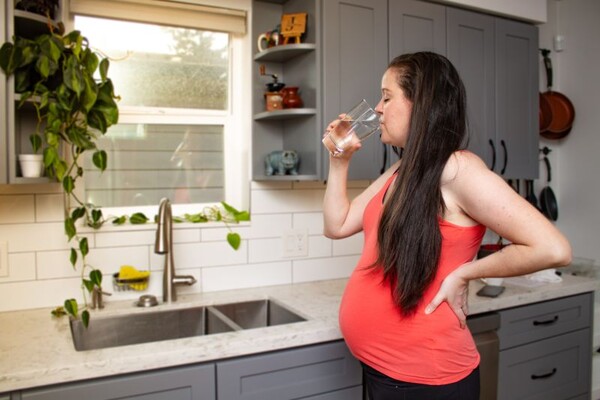
미국 국립보건원(NIH)의 아동 건강 결과에 대한 환경 영향(ECHO) 프로그램 지원을 받은 새로운 연구에 따르면, 수돗물 불소 농도가 현재 미국 권장 기준치에 근접하거나 그 이상인 지역에 거주한 임산부는 불소 농도가 높을수록 자녀가 유동적 추론 능력 검사에서 낮은 점수를 받는 경향이 있는 것으로 나타났다. [사진제공(Photo Source) = ECHO]
미국 국립보건원(NIH)의 아동 건강 결과에 미치는 환경적 영향(ECHO) 프로그램 지원을 받은 새로운 연구에 따르면, 수돗물 불소 농도가 현재 미국 권장 기준치에 근접하거나 그 이상인 지역에 거주한 임산부는 불소 농도가 높을수록 자녀가 유동적 추론 능력 검사에서 낮은 점수를 받는 경향이 있는 것으로 나타났다.
불소는 일부 수원에 자연적으로 존재하며, 충치 예방을 위해 수돗물에 첨가되는 경우가 많다. 연구진은 최근 미국 국립독성프로그램(NTP) 검토에서 식수 불소 농도가 리터당 1천500㎍그램을 이상일 경우 아동의 IQ 점수가 낮아진다는 증거를 확인했다고 언급했다. 그러나 대부분의 미국 공공 수도 시스템은 불소 농도가 이보다 더 낮으며, 일반적으로 발견되는 낮은 농도에서의 연관성은 여전히 불확실하다.
ECHO 연구진은 임신 기간 동안 공공 식수의 불소 농도가 아동기 인지 능력 평가 점수와 관련이 있는지 조사했다.
컬럼비아대학교 메일먼 공중보건대학원(Columbia University Mailman School of Public Health)의 카트리나 사이먼(Katrina Simon) 박사는 "이번 연구는 대규모 미국 표본을 통해 임신 중 식수 불소 농도와 아동 인지 능력 간의 관계를 평가함으로써 중요한 연구 공백을 메운다"며 "이번 결과는 아동 발달을 지원하기 위한 지속적인 지침 마련에 근거를 제공한다"고 설명했다.
연구진은 임신 중 공공 식수 불소 농도가 높은 것으로 추정되는 산모의 자녀들이 문제 해결, 기억력, 주의력, 새로운 정보에 적응 능력 등을 포함하는 유동적 인지 능력 검사에서 낮은 점수를 받는 경향이 있다고 보고했다.
특히 불소 농도가 리터당 675㎍ 이상일 때만 이러한 연관성이 나타났는데, 이는 현재 미국 공중보건국(US Public Health Service)이 불소화 식수에 대해 권장하는 리터당 700㎍(0.7밀리그램)에 가까운 수준이다.
미국 환경보호청(EPA)이 설정한 규제 기준은 이보다 높아 리터당 4천㎍이다. 불소 농도가 리터당 675㎍을 초과할 경우, 불소가 500㎍ 증가할 때마다 표준화된 유동적 인지 척도 점수가 평균 3.36점 낮아지는 것으로 나타났다.
또한 연구진은 태아기 불소 농도와 인지 능력 간의 관계가 유동적 인지 능력에만 국한된다는 사실을 발견했다. 반면, 어휘력 같은 학습된 지식을 포함다는 결정적 인지에서는 모든 연령대에서 연관성이 확인되지 않았다.
이러한 경향은 인지 능력을 더 어린 나이에 평가했을 때 더욱 뚜렷했다. 7세 미만 아동은 산전 불소 노출과 관련된 인지 점수 차이가 나이가 더 많은 아동보다 더 크게 나타났다. 이러한 연령 관련 결과를 이해하기 위해서는 추가 연구가 필요하다.
이번 연구에는 2006년부터 2019년 사이에 출생해 3세에서 17세 사이에 인지 검사를 완료한 2천514명의 아동이 포함됐다. 연구진은 산전 식수 불소 노출을 추정하기 위해 ECHO 참여자들의 임신 기간 거주지 정보와 공공에서 이용 가능한 식수 불소 측정값을 연계했다. 연구는 공공 식수 시스템 내 불소 농도에 초점을 맞췄으며, 치약·차·식품·보충제·생수·개인 관정 등 다른 불소 공급원은 포함하지 않았다.
연구진은 이러한 추정치를 아동의 NIH Toolbox 인지 평가 결과와 비교했으며, 부모의 교육 수준, 부모의 나이, 태아기 흡연 노출, 아동의 성별, 임신 시기, 거주 지역 특성 등 다양한 요인을 고려했다.
공동 선임 저자인 컬럼비아대의 앤 니그라(Anne Nigra) 박사는 "이번 연구는 정기적인 식수 모니터링의 일환으로 수집된 공공 수도 시스템의 불소 측정치를 활용했기 때문에, 향후 공공 식수 지침 평가에 도움이 될 수 있다"고 말했다.
지역사회 식수 불소화는 오랫동안 충치 감소를 위한 공중보건 조치로 사용돼 왔다. 다만 이번 연구는 지역사회 식수 불소화의 전반적인 이점과 위험성을 평가하는 것은 아니다.
공동 선임 저자인 오하이오주립대학교 웩스너 메디컬 센터 및 의과대학(The Ohio State University Wexner Medical Center and College of Medicine)의 에이미 마골리스(Amy Margolis) 박사는 “이번 연구는 아동 발달 결과에 중요한 사고 및 학습 과정과 초기 환경 오염물질 노출 간의 연관성을 살펴보는 방대한 연구에 새로운 근거를 더한다"며 “불소와 다른 노출 요인을 계속 연구하는 것은 아동의 환경 건강과 복지를 최적으로 지원하는 데 필수적"이라고 강조했다.
연구진은 이번 연구가 관찰 연구임을 강조했다. 결과는 태아기 불소 노출과 아동 인지 사이의 연관성을 보여주지만, 불소가 인지 능력 차이를 직접적으로 유발했다는 것을 증명하지는 않는다.
저자들은 향후 연구가 아동이 불소 노출에 가장 민감한 시기를 규명하고, 발달 위험과 치아 건강상의 이점을 함께 검토함으로써 불소 노출과 아동 건강 간의 관계를 더 잘 이해할 수 있을 것이라고 언급했다.
이 공동 연구는 『미국 역학 저널(American Journal of Epidemiology)』에 게재됐다.
[원문보기]
Higher Fluoride Levels in Public Drinking Water During Pregnancy May Be Linked to Differences in Children’s Cognition Scores, NIH-Funded Study Finds
Associations appeared when fluoride levels in neighborhood drinking water were close to or above current U.S. recommended levels.
Pregnant mothers who lived in neighborhoods where public drinking water fluoride levels were near or above the current U.S. recommended levels, tended to have children who scored lower on tests of fluid reasoning as fluoride levels increased, according to a new study supported by the National Institutes of Health’s Environmental influences on Child Health Outcomes (ECHO) Program.
Fluoride occurs naturally in some water sources and is commonly added to public water systems to help prevent cavities. The paper’s authors note that a recent National Toxicology Program review examined evidence linking fluoride exposure levels above 1,500 micrograms per liter in drinking water with lower IQ scores in children. However, most U.S. public water systems have lower fluoride levels, and questions remain about associations at lower levels typically found in the United States.
ECHO researchers looked at whether fluoride levels in public drinking water during pregnancy were related to cognitive scores assessed during childhood.
"This study addresses an important gap by evaluating prenatal water fluoride and child cognition in a large U.S. sample," said lead author Katrina Simon, PhD, of Columbia University Mailman School of Public Health. "Findings from this work offer evidence that can inform ongoing guidance aimed at supporting children's development."
Researchers reported that children whose mothers had higher estimated fluoride levels in public drinking water during pregnancy tended to score lower on tests of fluid cognition that include problem-solving, memory, attention, and the ability to adapt to new information.
Higher water fluoride levels were only linked to lower fluid cognition scores when water fluoride levels were near and above 675 micrograms per liter, which is close to the current U.S. Public Health Service(opens in new tab) recommended level of 700 micrograms, or 0.7 milligrams, per liter for fluoridated water.
The current regulatory level set by EPA is higher at 4,000 micrograms per liter. Above 675 micrograms per liter, each 500 micrograms per liter increase in fluoride was associated with an average 3.36-point lower score on the standardized fluid cognition scale.
Researchers also found that the relationship between prenatal fluoride levels and cognition was specific to fluid cognition. Importantly, the study did not identify a link between fluoride and crystallized cognition, which includes learned knowledge such as vocabulary, across all ages.
In addition, the associations appeared stronger when cognition was assessed at a younger age. Children younger than 7 years of age showed larger differences in cognition scores associated with higher prenatal fluoride exposure compared to older children. Additional research is needed to better understand these age-related findings.
The study included 2,514 children born between 2006 and 2019 who completed cognitive testing between ages 3 and 17.
To estimate prenatal water fluoride exposure, researchers linked publicly available drinking water fluoride measurements to residential address information collected during pregnancy from ECHO participants.
The study focused specifically on fluoride levels in public drinking water systems and did not measure total fluoride exposure from all possible sources, such as toothpaste, tea, foods, supplements, bottled water, or private wells.
Researchers then compared these estimates with children's performance on NIH Toolbox cognition assessments(opens in new tab), while accounting for factors such as parental education, parental age, prenatal tobacco exposure, child sex, season of conception, and neighborhood characteristics.
“Because our study used fluoride measurements from public water systems that are collected as part of routine drinking water monitoring, the findings may help inform future evaluations of public drinking water guidelines,” said co-senior author Anne Nigra, PhD, also of Columbia University Mailman School of Public Health.
Community water fluoridation has long been used as a public health measure intended to reduce tooth decay. The current study does not evaluate the overall benefits and risks of community water fluoridation
“This study adds to a large body of work that looks at how early exposure to environmental contaminants may be associated with the development of the thinking and learning processes that are important for children’s developmental outcomes,” said co-senior author Amy Margolis, PhD, of The Ohio State University Wexner Medical Center and College of Medicine. “Continuing to study fluoride and other exposures will be integral in best supporting children’s environmental health and well-being.”
The researchers emphasize that this was an observational study. The findings demonstrate an association between prenatal fluoride exposure and children's cognition, but they do not prove that fluoride caused differences in cognitive performance.
The authors noted that future research could focus on when children may be most sensitive to fluoride exposure and examine both potential developmental risks and dental health benefits to better understand relationships between fluoride exposure and child health.
This collaborative research was published in the American Journal of Epidemiology(opens in new tab).
Simon KR, Bloomquist TR, Rajeev T, Hernandez A, Kulali S, Burjak M, Kress AM, Palmore M, Akbaryan A, Sanchez TR, Ornelas Van Horne Y, Shin HM, Goin DE, Tamayo-Ortiz M, Patel GH, Shuffrey LC, Ghassabian A, Karagas MR, Leventhal L, Fry RC, Miller RL, Herbstman J, Morales S, Margolis AE, Nigra AE. Prenatal exposure to fluoride in public water and child cognition in the US ECHO Cohort, 2006-2019. 2026. American Journal of Epidemiology. https://doi.org/10.1093/aje/kwag186
[출처 = ECHO(https://echochildren.org/higher-fluoride-levels-in-public-drinking-water-during-pregnancy-may-be-linked-to-differences-in-childrens-cognition-scores-nih-funded-study-finds/) / 2026년 8월 17일]
 즐겨찾기 추가
 시작페이지로 설정