[2026] [일본] 일본 라이노플럭스와 스윙사, “연소없는 에너지 변환기술로 하수슬러지를 에너지원으로 전환”
이름
관리자 waterindustry@hanmail.net
작성일
2026.08.26
조회수
842
파일첨부
[일본] 일본 라이노플럭스와 스윙사, “연소없는 에너지 변환기술로 하수슬러 에너지원으로 전환”
양사, 고효율 전력 생산 및 하수슬러지로부터 99.9%+ 회수 CO₂ 회수하기 위해 기술검증(PoC)
하수슬러지 방해 없이 99.9% 이상 순수 CO2로 전환하는 방식으로 새로운 방향으로 케미컬 루핑(HCL) 테스트를 진행합니다.
슬러지 반응 저항·지역을 더 많은 에너지 회복력 향상… 전력생산 99.9% 이상 순도로 CO2 포집 가능
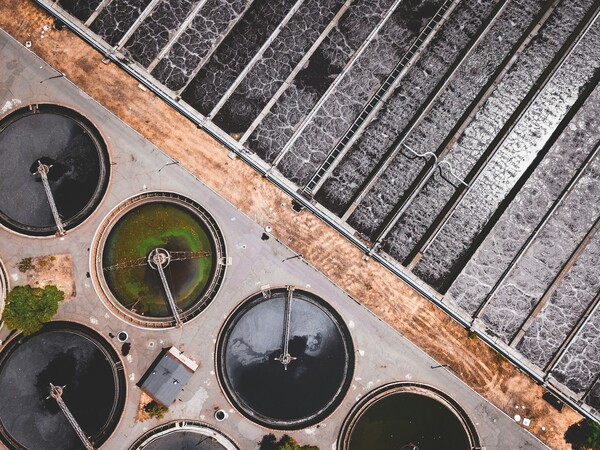
일본 교토대학의 가구기업인 라이노플럭스 주식회사(Rhinoflux Inc.)는 야채능 매스 발전과 정도(CO2) 포집을 제외하고는 케미컬 루핑(HCL) 기술을 개발할 수 있을 수 있으며, 일본의 교토대학의 수처리 회사인 스윙 코퍼레이션(Swing Corporation)과 함께 기술(PoC) 테스트를 시작하고, 일본 하수처리장에서 발생하는 하수 들을 발전시켜 고순도 CO 포집을 믿을할 것입니다. [사진출처(사진 출처) = 라이노플럭스 주식회사(Rhinoflux Inc)]
교토대학교(Kyoto University)의 기업인 라이노플럭스(Rhinoflux Inc.)는 으 핵매스(Biomass) 개발과 범위(CO2) 포집을 분리하는 케미컬 루핑(Hydro Chemical Looping, HCL) 기술을 개발할 수 있도록, 일본의 훌륭한 수처리 회사인 스윙 코퍼레이션(Swing Corporation, 水 ing)과 함께 기술 검증(Proof of Concept, PoC) 검사를 시작합니다. 이번 시험은 일본 내 하수 처리장에서 발생하는 하수 슬러를 활용하여 발전 및 고순도 CO2 포집을 인증할 예정입니다.
타당성 조사에서 PoC 시험으로의 전환
PoC 테스트는 라이노플럭스와 스윙 코퍼레이션이 수행한 타당성 조사에 참여하고, 하이드로 케미컬 루핑(HCL) 기술의 하수슬러에 대한 대신에 적용되는 사업적 타당성을 제시했습니다. 시연은 2026년 7월에 시작하여, 하수 처리용 구성 요소를 다음 단계에 적용합니다.
일본의 하수처리 시설은 처리 과정에서 발생하는 슬러지를 줄이고, 재활용하며, 궁극적으로 보다 지속 가능한 방식으로 처리하는 방법에 대해 점점 커지는 도전에 직면해 있다. 일본 토지교통관광부(MLIT)는 매년 약 234만 건조 고형톤(DS 톤)의 하수 슬러지를 생산하는 것으로 추정된다.
지방자치단체와 상하수도 공사가 보다 지속 가능한 수자원 인프라를 구축하려 함에 따라, 슬러지 처리비용과 환경 영향을 줄이면서 에너지를 회수하고 온실가스 배출을 줄일 수 있는 기술이 점점 더 필요해지고 있다.
오늘날 일본의 하수 슬러지는 주로 매립, 소각, 고체 연료로의 전환, 혐기성 소화를 통한 바이오가스 이용, 시멘트 같은 건설 자재 사용을 통해 관리되고 있다. 이러한 방법들은 기존 슬러지 관리에서 중요한 역할을 하지만, 환경 영향과 높은 처리비용 등 도전 과제도 직면하고 있다. 고체 연료나 메탄가스로 발전하는 것도 연소에 의존하기 때문에 더 효율적이고 저배출 대안이 남아있다.
라이노플럭스(Rhinoflux Inc.)의 알렉스 마자와(Alex Mazawa) CEO는 “하수 슬러지는 더 이상 폐기물이 아니라 가정 내 에너지 및 탄소 자원으로 봐야 한다”라면서 “하이드로 케미컬 루핑(HCL)은 연소 없이 그 가치를 끌어낼 수 있다”고 말했다.
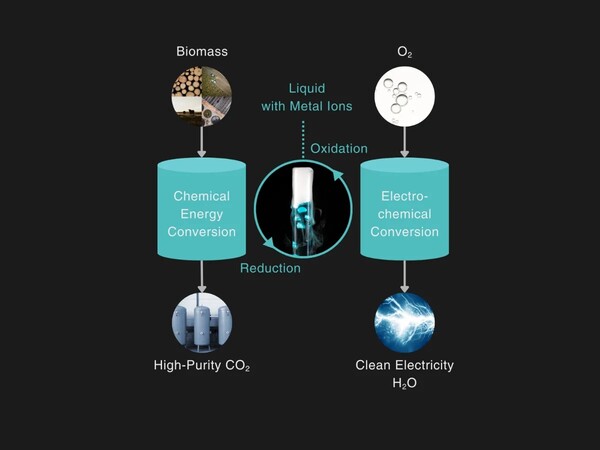
하이드로 케미컬 루핑(HCL) 기술은 바이오매스를 연소하는 대신, 수용 용액 내 화학 반응을 통해 전기를 생성하여 고효율 에너지 변환을 가능하게 하면서 동시에 분리하고 부산물로 99.9%+ CO₂를 포집한다. [그림출처(picture source) = 라이노플럭스 주식회사(Rhinoflux Inc)]
비연소 방식의 바이오매스 발전
방식 라이노플럭스의 HCL 기술은 다른 접근법을 제공한다. 바이오매스를 태우는 대신, 수용 용액 내 화학 반응을 통해 전기를 생성하여 고효율 에너지 변환을 가능하게 하면서 동시에 고순도 CO₂를 분리하고 포집한다.
이 기술은 기존 바이오매스 발전 시스템보다 약 2배에서 4배 더 높은 전력 생산 효율을 제공할 잠재력을 가지고 있으며, 동일한 양의 바이오매스로 더 많은 전력을 생산할 수 있게 한다. 수성 반응 과정 덕분에 역사적으로 경제적으로 활용하기 어려웠던 하수 슬러지를 포함한 고수분 바이오매스에도 적합하다.
스윙으로 기술 시연
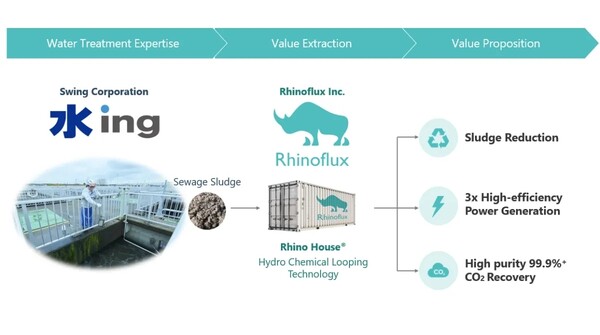
이번 시험은 스윙 코퍼레이션의 하수 및 슬러지처리 전문 지식과 라이노플럭스의 HCL 기술을 결합할 예정이다. 두 회사는 향후 배포를 위한 실질적인 데이터를 수집하고, 하수 처리 시설에서 하수 슬러지 자원 활용 요구사항을 평가할 예정이다.
이번 시험은 스윙 코퍼레이션의 하수 및 슬러지 처리 전문성과 라이노플럭스의 하이드로 케미컬 루핑(HCL) 기술을 결합해 향후 적용과 하수 슬러지 자원 활용을 위한 데이터를 생성할 예정이다. [그림출처(picture source) = 라이노플럭스 주식회사(Rhinoflux Inc)]
하수처리 부문의 가치 창출
이 기술은 세 가지 분야에서 가치를 제공할 것으로 기대된다. 첫째, 슬러지 처리 부담을 줄이는 데 도움이 될 수 있다. 하수 슬러지의 양을 줄임으로써 이 기술은 처리와 운송 부담을 줄일 수 있다.
둘째, 현장 에너지 생산 옵션을 확장할 수 있다. 하수 슬러지는 지속적으로 이용 가능한 지역 바이오매스 자원이다. 이를 전기로 보다 효율적으로 전환하면 하수 처리 시설이 에너지 회복력을 높이고 운영비용을 절감하는 데 도움이 될 수 있다.
셋째, 탄소 포집 및 활용을 지원할 수 있다. 이 공정은 전력을 생산하면서 99.9% 이상의 순도로 CO₂를 포집할 수 있다. 이 바이오매스 유래 CO₂는 이산화탄소 제거 공제를 통해 수익화되거나 액화 CO₂로 활용될 수 있어, 하수 부문의 탈탄소화를 위한 새로운 수익 기회와 자금원을 창출할 수 있다.
라이노플럭스(Rhinoflux Inc.)의 알렉스 마자와(Alex Mazawa) CEO는 “하수처리 시설은 일본 전역에서 매일 하수 슬러지를 생성한다. 우리는 이 저활용 자원이 폐기물이 아니라 국내 에너지 및 탄소 자원으로 재정의되어야 한다고 믿는다”라고 말했다.
마자와 CEO는 특히 “라이노플럭스의 HCL 기술은 하수 슬러지를 연소 없이 전기로 전환하는 동시에 99.9% 이상 CO₂를 포집하므로 스윙과의 시연은 이 기술을 실제 하수 인프라에 도입하는 중요한 단계이다”라면서 “이 작업을 통해 하수처리 시설을 지역 에너지 생산 허브로 전환하는 것을 목표로 한다”고 강조했다.
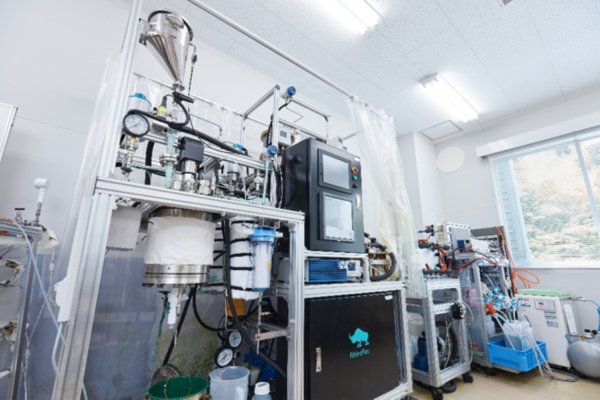
일본의 선도적인 수처리 회사인 스윙 코퍼레이션은 라이노플럭스와 공동으로 하이드로 케미컬 루핑(HCL) 기술을 시범 시험으로 시작하여 하수처리장 등에서 발생하는 슬러지 및 고체 잔류물로부터 전기와 고순도 CO₂를 회수하는 데 사용되고 있다. [사진출처(Photo source) = 스윙 코퍼레이션(Swing Corporation)]
라이노플럭스 주식회사(Rhinoflux Inc)는 교토대학의 분사기업으로, 수학적 화학 루핑( Hydro Chemical Looping)을 기반으로 한 차세대 바이오매스 발전 및 CO₂ 포집 기술을 개발하고 있다. 이 회사는 전통적으로 활용이 어려웠던 다양한 바이오매스 자원(식품 잔류물, 목재 바이오매스, 하수 슬러지 등)을 위한 분산형 전력 생산 및 CO₂ 포집 솔루션을 상용화하는 것을 목표로 하고 있다.
스윙 코퍼레이션(Swing Corporation)은 상하수 처리 시설, 산업 폐수 처리장 및 기타 환경 인프라에 대한 엔지니어링, 건설, 운영 및 유지보수 서비스를 제공하는 일본의 선도적인 수처리 회사이다. 회사는 엔지니어링 역량과 운영 전문성을 통해 수처리 수명 주기 전반에 걸쳐 지속 가능한 수자원 인프라를 지원한다.
[원문보기]
Rhinoflux and Swing Launch Sewage Sludge-to-Power and CO₂ Capture PoC Trial in Japan
The PoC will test Hydro Chemical Looping as a new pathway to convert sewage sludge into power and 99.9%+ pure CO₂ without combustion
Rhinoflux Inc., a Kyoto University spinout developing Hydro Chemical Looping (HCL) technology for distributed biomass power generation and CO₂ capture, has launched a proof-of-concept trial with Swing Corporation, a leading Japanese water treatment company. The trial will test power generation and high-purity CO₂ capture from sewage sludge produced at sewage treatment facilities in Japan.
Transition from Feasibility Study to PoC Trial
The PoC trial follows a feasibility study conducted by Rhinoflux and Swing Corporation, which indicated the potential applicability and business viability of HCL technology for sewage sludge. The demonstration began in July 2026 and represents the next phase toward practical deployment in sewage treatment infrastructure.
Japan’s Sewage Sludge Challenge
Japan’s sewage treatment facilities face a growing challenge: how to reduce, recycle, and ultimately dispose of the sludge generated through treatment processes in a more sustainable way. The country is estimated to produce approximately 2.34 million dry solids tons of sewage sludge each year.
As municipalities and water utilities seek to build more sustainable water infrastructure, technologies that can reduce sludge treatment costs and environmental impacts while recovering energy and cutting greenhouse gas emissions are increasingly needed.
Today, sewage sludge in Japan is mainly managed through landfilling, incineration, conversion into solid fuel, biogas utilization via anaerobic digestion, and use in construction materials such as cement.
While these methods play an important role in existing sludge management, they also face challenges, including environmental impacts and high treatment costs. Power generation from solid fuels or methane gas also relies on combustion, leaving room for more efficient and lower-emission alternatives.
“Sewage sludge should no longer be seen as waste, but as a domestic energy and carbon resource. Hydro Chemical Looping can help unlock that value without combustion” said Alex Mazawa, CEO of Rhinoflux Inc.
A Non-Combustion Approach to Biomass Power Generation
Rhinoflux’s HCL technology offers a different approach. Instead of burning biomass, it generates electricity through chemical reactions in an aqueous solution, enabling high-efficiency energy conversion while simultaneously separating and capturing high-purity CO₂.
The technology has the potential to deliver approximately two to four times higher power generation efficiency than conventional biomass power generation systems, allowing more electricity to be produced from the same amount of biomass. Its aqueous reaction process also makes it well suited to high-moisture biomass, including sewage sludge, which has historically been difficult to utilize economically.
Demonstrating the Technology with Swing
The trial will combine Swing’s water and sludge treatment expertise with Rhinoflux’s HCL technology. The two companies will collect practical data for future deployment and assess the requirements for sewage sludge resource utilization in sewage treatment facilities.
Creating Value for the Sewage Treatment Sector
The technology is expected to deliver value in three areas: First, it may help reduce the burden of sludge treatment. By reducing the volume of sewage sludge, the technology could lower the burden of treatment, transportation, and final disposal.
Second, it could expand on-site energy generation options. Sewage sludge is a continuously available local biomass resource. Converting it into electricity more efficiently could help sewage treatment facilities improve energy resilience and reduce operating costs.
Third, it could support carbon capture and utilization. The process can capture CO₂ with a purity of over 99.9% while generating power. This biomass-derived CO₂ could potentially be monetized through carbon dioxide removal credits or used as liquefied carbon dioxide, creating new revenue opportunities and funding sources for decarbonization in the sewage sector.
Alex Mazawa, CEO of Rhinoflux Inc. said : “Sewage treatment facilities generate sewage sludge every day across Japan. We believe this underutilized resource should be redefined not as waste, but as a domestic energy and carbon resource.”
“Rhinoflux’s Hydro Chemical Looping technology converts sewage sludge into electricity without combustion, while capturing 99.9%+ CO₂ at the same time. Our demonstration with Swing is an important step toward bringing this technology into real-world sewage infrastructure.”
“Through this work, we aim to help transform sewage treatment facilities into local energy generation hubs.”
About Rhinoflux Inc.
Rhinoflux Inc. is a Kyoto University spinout developing next-generation biomass power generation and CO₂ capture technology based on Hydro Chemical Looping. The company aims to commercialize distributed power generation and CO₂ capture solutions for diverse biomass resources that have traditionally been difficult to utilize, including food residues, woody biomass, and sewage sludge. Website: https://rhinoflux.com/en
About Swing Corporation
Swing Corporation is a leading Japanese water treatment company providing engineering, construction, operation and maintenance services for water and sewage treatment facilities, industrial wastewater treatment plants, and other environmental infrastructure.
The company supports sustainable water infrastructure through its engineering capabilities and operational expertise across the water treatment lifecycle. Website: https://www.swing-w.com/eng
 즐겨찾기 추가
 시작페이지로 설정