[EU] 유럽 지하수 회복력 강화 위한 관리대책 확대 필요
EU 식수 3분의 2 지하수서 공급…기후변화·물수요 증가로 지하수 의존도 심화
지하수 회복력 강화 위해 오염원 차단 및 취수 규제 강화·수질과 수량 연계 관리 필요
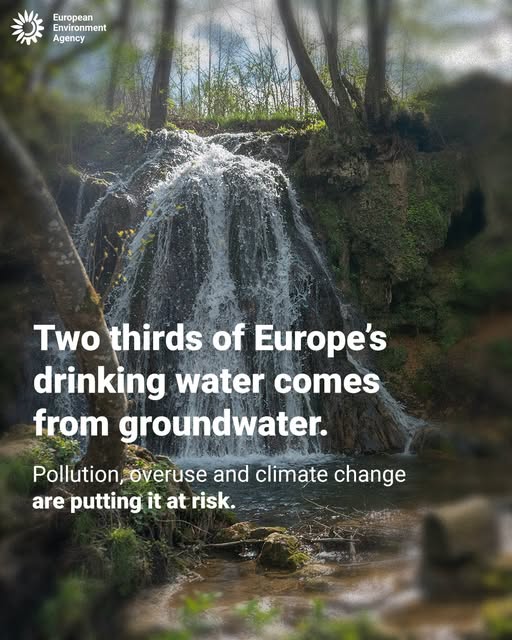
유럽의 주요 전략적 천연자원 중 하나인 지하수가 오염, 과잉 이용, 기후변화 등으로 위협받고 있는 가운데 지하수를 보호하고 회복력을 강화하기 위한 추가적인 노력이 필요하다는 분석이 나왔다. [사진출처(Photo Source) = 페이스북(Face Book)]
유럽의 주요 전략적 천연자원 중 하나인 지하수가 오염, 과잉 이용, 기후변화 등으로 위협받고 있는 가운데 지하수를 보호하고 회복력을 강화하기 위한 추가적인 노력이 필요하다는 분석이 나왔다.
유럽환경청(EEA)에 따르면 유럽연합(EU) 식수의 3분의 2가 지하수에서 공급된다. 지하수는 농업, 산업, 관광 등 다양한 경제활동에 사용되는 EU 전체 물취수량의 약 4분의 1을 차지한다. 또한 지표수와 습지 생태계를 유지하고 가뭄의 영향을 완화하는 역할을 한다.
EEA은 최근 발표한 브리핑 보고서 ‘지하수 회복력(Groundwater resilience)’을 통해 농업용 관개, 관광, 도시화, 광업 등에 따른 물수요 증가로 유럽의 지하수 상태가 악화될 수 있다고 지적했다. 이번 브리핑은 EEA 산하 생물다양성 및 생태계 분야 유럽주제센터(ETC)가 작성한 보고서 ‘유럽의 지하수 — 증가하는 위협 속 전략적 자원 확보(Groundwater in Europe — Securing a Strategic Resource under Growing Pressure)’를 기반으로 작성됐다.
지난 2021년 EU 회원국들이 「물관리기본지침(Water Framework Directive)」에 따라 제출한 자료를 분석한 결과, EU 전체 지하수 수체 면적의 27%가 오염이나 과잉 취수 또는 두 요인의 복합적인 영향으로 양호한 상태에 도달하지 못한 것으로 나타났다.
EEA의 데이터에 따르면 유럽의 식수 공급과 농업 부문에서 지하수 의존도가 점차 높아지고 있다. 오염과 과잉 취수는 동일한 지역에서 동시에 발생할 수 있으며, 이로 인한 지하수 상태 악화는 물회복력을 저하시키는 요인으로 작용한다.
기후변화 역시 지하수에 대한 부담을 가중시키고 있다. 이용 가능한 지표수 자원이 감소하면서 지하수 의존도가 높아지고 있으며, 이는 지하수 함양 능력과 생태계 유지 기능, 가뭄 피해 완화 능력을 더욱 저하시킨다.
보고서는 유럽의 물회복력을 확보하기 위해 지하수 자원 보호가 필수적이라고 강조했다. 물의 지하 침투 능력을 높이면 인간과 자연에 필요한 지하수 자원을 보충할 수 있다. 양호한 지하수 수질과 충분한 수량 확보는 물안보, 기후회복력, 생물다양성 보전 및 경제발전의 기반이 된다.
지하수 회복력 강화대책을 마련할 때는 수질과 수량 간 상호연관성을 고려해야 한다. 물부족 지역에서 지하수가 오염될 경우 식수원으로 활용하기 어려워질 수 있으며, 과잉 취수는 연안 지역의 해수 침투와 같은 지하수 수질 문제를 유발할 수 있다.
주요 대책으로는 EU의 ‘제로 오염 행동계획(Zero Pollution Action Plan)’에 따라 오염원에서부터 오염을 방지하고 잔류성 오염물질의 사용을 단계적으로 중단하는 방안이 제시됐다. 지하수 과잉 취수가 발생하는 지역에서는 강제력 있는 취수 규제를 통해 과잉 이용을 줄이는 한편, EU의 ‘물회복력 전략(Water Resilience Strategy)’에 명시된 물이용 효율 우선 원칙을 물다소비 부문 전반에 적용하는 것이 중요하다.
아울러 보고서는 EU 관련 규정의 이행을 강화하고 각 부문의 모니터링 및 데이터 수집체계를 개선하는 것도 물회복력 강화에 기여할 수 있다고 강조했다.
[원문보기]
More must be done to strengthen Europe’s groundwater resilience
More work is needed to protect and strengthen the resilience of one of Europe’s most strategic natural assets, groundwater, which is facing increasing pressures like pollution, over-use and climate change, according to a European Environment Agency (EEA) briefing released today.
Two thirds of the European Union’s drinking water come from groundwater. Groundwater also supplies around one quarter of the EU’s total water abstraction for use in a wide range of economic activities like agriculture, industry, and tourism. It underpins surface waters, wetland ecosystems and also provides a buffer against droughts.
The EEA briefing 'Groundwater resilience' says the state of Europe’s groundwater may worsen due to increasing demand for water for irrigation, tourism, urbanisation and mining. The briefing is based on a larger report “Groundwater in Europe — Securing a Strategic Resource under Growing Pressure,” which was produced by the EEA’s European Topic Centre (ETC) Biodiversity and Ecosystems.
Pollution, over-abstraction or a combination of the two meant that 27% of the EU’s groundwater body area failed to achieve good status. This key result is based on Member States reports under the EU Water Framework Directive from 2021.
EEA data suggests that drinking-water supply and agriculture in Europe have become increasingly dependent on groundwater. Degradation of groundwater through pollution and over-abstraction, which may occur simultaneously in the same areas, reduces water resilience.
Climate change adds further pressure. Decreasing availability of surface water increases dependence on groundwater. This further reduces the capacity for groundwater to recharge, support ecosystems and act as a buffer against the impacts of drought.
Building water resilience is key
Protecting Europe’s groundwater supplies is fundamental to achieving European water resilience, according to the briefing. Increasing the capacity for water to soak into the ground replenishes groundwater supplies for people and for nature. Good quality and quantity of groundwater underpins water security, climate resilience, biodiversity and economic development, the EEA briefing says.
Measures to enhance groundwater resilience need to recognise the interconnections between water quality and quantity. Groundwater pollution in a water-scarce area may result in the groundwater no longer being suitable for drinking water supply, while over-abstraction may trigger groundwater quality issues, such as sea water intrusion in coastal areas. Key measures include preventing pollution at source and phasing out persistent contaminants, in line with the EU’s zero pollution action plan. Where groundwater is subject to over-abstraction, enforceable abstraction controls are important to reduce over-use together with applying the efficiency-first principle across water demanding sectors, as set out in the EU water resilience strategy.
The EEA briefing also stresses that better implementation of EU rules, improved monitoring and data collection across sectors can help build water resilience.
[출처 = 유럽환경청(EEA)(https://www.eea.europa.eu/en/newsroom/news/more-must-be-done-to-strengthen-europes-groundwater-resilience) / 2026년 11월 20일]
 즐겨찾기 추가
 시작페이지로 설정



























