[영국] “하수도가 치명적인 곰팡이 감염 탐지하는 열쇠 될 수 있다”
영국 뱅고어대학교 연구팀, “곰팡이 병원체 찾기 시작할 가장 좋은 장소 중 하나가 하수도”
기후 온난화·면역력 저하된 인구 증가·매우 제한적인 항진균제 종류는 위험한 곰팡이 번식하기 좋은 환경 조성
뱅고어대 푸자 파드마쿠마르 연구팀, 곰팡이를 부차적인 문제로 취급·생물학적 특성·기술적 한계 등 주요 문제점 발견
하수 데이터를 병원·동물·농장 모니터링 데이터와 연계하는 것이 궁극적인 목표
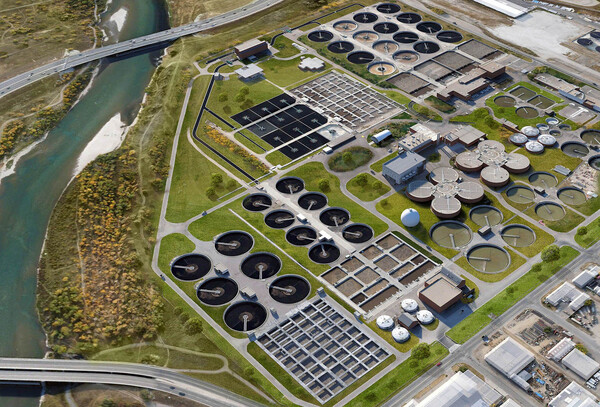
영국 웨일즈 소재 뱅고어 대학교(Bangor University) 푸자 파드마쿠마르(Pooja Padmakumar) 환경과학 박사과정연구생과 동료들은 이러한 곰팡이 병원체를 찾기 시작할 가장 좋은 장소 중 하나가 바로 ‘하수도(Sewer)’라고 주장했다. 사진은 캐나다 캘거리시에 있는 보니브룩 하수처리장(Bonnybrook Wastewater Treatment plan). [사진출처(Photo source) = 스탠택(Stantec)]
매년 전 세계적으로 약 250만 명이 곰팡이 감염으로 사망하는데, 이는 결핵(Tuberculosis)과 말라리아(Malaria)로 인한 사망자 수를 합친 것보다 많은 수치이다. 하지만 대부분의 사람들은 이러한 감염을 일으키는 곰팡이(Fungi)에 대해 들어본 적이 없을 것이며, 이를 체계적으로 추적하는 보건 시스템도 거의 없다.
최근 발표한 ‘곰팡이 병원체 조기 경보 시스템으로서의 하·폐수 감시(Wastewater surveillance as an early warning system for fungal pathogens)’라는 논문에서, 영국 웨일즈 소재 뱅고어대학교(Bangor University) 푸자 파드마쿠마르(Pooja Padmakumar) 환경과학 박사과정연구생과 동료들은 이러한 곰팡이 병원체를 찾기 시작할 가장 좋은 장소 중 하나가 바로 ‘하수도(Sewer)’라고 주장했다.
곰팡이는 우리 주변 어디에나 존재하며, 대부분은 무해하다. 다만 일부 곰팡이는 심각한 질병을 유발하는데, 주로 암 치료, 장기 이식, 또는 중환자실 입원 등으로 인해 면역 체계가 약해진 사람들에게서 발생한다. 세계보건기구(WHO)는 긴급하게 감시 체계를 강화해야 할 주요 곰팡이 병원체 목록을 발표한 바 있다.
기후 온난화, 면역력이 저하된 인구의 증가, 그리고 매우 제한적인 항진균제 종류는 위험한 곰팡이가 번식하기 좋은 환경을 조성하고 있으며, 이에 따라 이러한 위협은 점점 커지고 있다. 일부 곰팡이는 인체 온도, 병원 환경, 그리고 자신을 퇴치하기 위해 사용되는 약물에 적응하고 있다.
그 예 중 하나가 ‘칸디다 아우리스(Candida auris)’이다. 이 곰팡이는 2009년 일본의 한 환자 귀에서 처음 발견되었다. 이후 전 세계로 퍼져나간 이 효모균은 여러 약물에 내성을 보이며, 병원 내에서 통제하기 어려운 집단 감염을 일으키기도 한다.
그럼에도 불구하고 곰팡이에 대한 관심은 매우 낮다. 독감(Flu)이나 노로바이러스(Norovirus)와 달리, 곰팡이 감염은 전형적인 ‘집단 발병(outbreak)’ 형태로 나타나는 경우가 드물다.
곰팡이 감염은 그 자체로 공중보건의 위협이라기보다는, 기존에 앓고 있던 질병의 합병증으로 간주되는 경향이 있다. 영국에서는 2025년부터야 비로소 실험실에서 ‘칸디다 아우리스’ 발생 사례를 보고하도록 의무화되었다.
연구팀은 검토 논문을 통해 왜 병원 중심의 감시 체계가 곰팡이를 놓치게 되는지, 그리고 하수도를 검사하는 방식에 관한 초기 연구 결과들은 무엇을 시사하는지 살펴보았다. 그 과정에서 세 가지 주요 문제점을 발견했다.
첫 번째는 앞서 언급했듯이, 곰팡이가 부차적인 문제로 취급된다는 점이다.
두 번째는 생물학적 특성이다. 많은 사람이 칸디다(Candida)와 같은 곰팡이를 피부나 장내에 수개월, 심지어 수년간 지니고 있으면서도 아무런 증상을 느끼지 못하는데, 이 기간 내내 그들은 계속해서 곰팡이를 배출하고 있다. 병원에서의 검사는 심각한 질병을 앓게 된 소수의 환자만을 포착하기 때문에, 실제 확산 정도는 과소 평가되고 있다.
세 번째 문제는 기술적 한계이다. 진균 검사법은 제한적이며, 이를 개선하려는 상업적 유인도 거의 없다. 검사 기관에서는 흔한 효모균을 종(Species) 수준까지 식별하지 않는 경우가 많아, 약물 내성을 지닌 종이 발견되지 않고 넘어갈 수 있다.
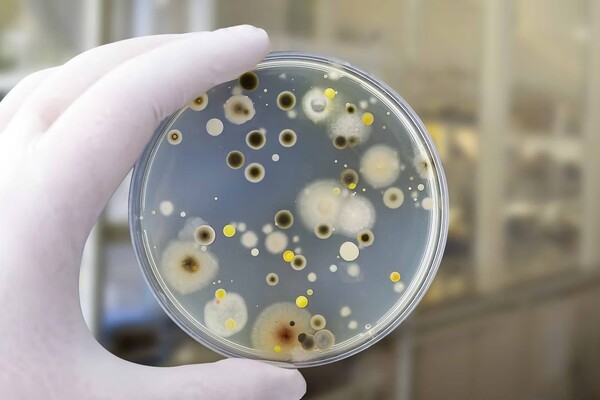
곰팡이는 우리 주변 어디에나 존재하며, 대부분은 무해하다. 다만 일부 곰팡이는 심각한 질병을 유발하는데, 주로 암 치료, 장기 이식, 또는 중환자실 입원 등으로 인해 면역 체계가 약해진 사람들에게서 발생한다. [사진출처(Photo source) = 몰드맨(Moldman)]
위험한 진균 탐지
사람들은 아프든 아니든, 의사를 만난 적이 있든 없든 상관없이 누구나 화장실을 사용한다. 따라서 하수는 지역사회 전체의 상황을 보여주는 단면이 된다.
‘코로나19(COVID19)’ 유행 당시, 하수 내 바이러스 수치는 확진자 수가 증가하기 4∼14일 전에 먼저 상승했다. 진균의 경우 관련 증거는 아직 부족한 편이며, 그나마 있는 증거도 대부분 ‘칸디다 아우리스(C. auris)’에 관한 것이다.
미국 네바다주 남부에서 연구진은 10주 동안 채취한 하수 샘플의 79%에서 이 진균을 발견했는데, 의료 시설이 위치한 지역에서 더 자주 검출되었다. 플로리다주에서는 병원 하수 샘플의 47%가 양성 반응을 보인 반면, 하류에 위치한 하수처리장 샘플에서는 16%만이 양성 반응을 보였다. 영국에서는 한 병원에서 감염병이 유행했을 당시, 특정 병동에서 배출되는 하수에서 해당 진균이 발견되기도 했다.
이 연구들은 곰팡이가 하수에서 검출될 수 있음을 보여준다. 하지만 하수 데이터만으로 발병을 예측할 수 있다는 증거는 아직 제시되지 않았다. 각 개인이 얼마나 많은 곰팡이를 배출하는지 정확히 알 수 없기 때문에 하수 검사 결과만으로 환자 수를 예측할 수는 없다.
유전자 검사는 곰팡이 DNA를 검출하지만, 곰팡이가 살아있는지 또는 항생제 내성을 가지고 있는지는 알 수 없다. 칸디다 종 중 상당수는 인체 내에서 무해하게 존재하기 때문에 단순히 한 종을 검출하는 것만으로는 큰 의미가 없다. 유전자 검사와 실험실에서 샘플을 배양하는 방법을 병행해야 할 것이다.
또한 아스페르길루스와 같은 일부 곰팡이는 흡입을 통해 감염되지만 장을 통과하지 않기 때문에 하수 검사에서 이러한 감염이 전혀 반영되지 않을 수도 있습니다. 최근 연구에서는 하수에서 여러 질병 유발 효모가 검출되었는데, 이는 칸디다 오리스 외에도 다른 곰팡이에 이 방법이 적용될 수 있음을 시사한다.
하수처리 과정에서 모든 병원균이 제거되는 것은 아니며, 빗물 배수관은 처리되지 않은 하수를 강과 바다로 직접 방류할 수 있다. 칸디다 오리스(C. auris)는 인도 안다만 제도(Andaman Islands)의 외딴 해변에서 발견되었는데, 이는 이 균이 병원에 도달하기 훨씬 이전부터 환경에 서식해 왔음을 시사한다. 홍콩의 맹그로브(Mangroves) 숲에서 연구자들이 발견한 다제내성 효모(Multidrug-resistant yeast)는 모두 하수처리장 인근 지역에서 유래했다.
강과 토양에 미량의 항진균제가 유입되면 내성 균주의 번식을 촉진할 수 있다. 이러한 연관성은 가능성이 있지만 아직 입증되지는 않았다.
하수 모니터링은 환자에 대한 병원 검사를 대체할 수는 없다. 하수 모니터링의 가치는 특히 대규모 검사가 불가능한 지역에서 보건 당국이 어디를 살펴봐야 하는지 알려주는 데 있다.
연구자들은 이제 표준화된 방법을 개발하고, 사람들이 배출하는 진균의 양을 측정하고, 어떤 하수 농도 수준에서 조치를 취해야 하는지 파악해야 한다. 궁극적인 목표는 하수 데이터를 병원, 동물, 농장 모니터링 데이터와 연계하는 것이다.
‘코로나19’ 사태에서 보여주듯이 필요한 도구는 이미 존재한다. 부족한 것은 다음 내성균이 우리보다 빠르게 확산되기 전에 진균 퇴치를 우선 시 하려는 의지이다.
[원문보기]
Sewers could hold the key to detecting deadly fungal infections
Every year, fungal infections kill around 2.5 million people worldwide, more than tuberculosis and malaria combined. Yet most people may have never heard of the fungi responsible, and few health systems track them in any organised way.
In a recent review, my colleagues and I argue that one of the best places to start looking for these fungal pathogens is the sewer.
Fungi are all around us and most are harmless. A small number cause serious disease, mainly in people whose immune systems are weakened, for example by cancer treatment, an organ transplant or a stay in intensive care. The World Health Organization has published a list of priority fungal pathogens that it says urgently need better surveillance.
A warming climate, more people living with weakened immunity and a very small number of antifungal drugs are creating good conditions for dangerous fungi, so this threat is growing. Some are adapting to human body temperature, to hospital environments and to the medicines used against them.
One example is Candida auris. It was first identified in a patient’s ear in Japan in 2009. This yeast has since spread worldwide, it resists several drugs and it causes hospital outbreaks that are hard to control.
Despite this, fungi get little attention. Unlike flu or norovirus, fungal infections rarely look like an outbreak. They tend to be seen as a complication of someone’s existing illness rather than a public health threat in their own right. In the UK, labs have only been required to report C. auris since 2025.
In our review, we looked at why hospital-based monitoring misses fungi, and at what the early evidence says about testing wastewater instead. We found three main problems. The first is the one above: fungi are treated as a secondary concern.
The second is biology. Many people carry fungi such as Candida on their skin or in their gut for months or even years without feeling ill, and the whole time they are shedding the fungus. Hospital testing only picks up the minority who become seriously ill, so the true spread is underestimated.
The third problem is technical limitations. Fungal tests are limited, and there is little commercial incentive to improve them. Labs often don’t identify common yeasts down to the species level, so a drug-resistant species can go unnoticed.
Detecting dangerous fungi
Everyone uses the toilet, whether they are ill or not, and whether or not they ever see a doctor. That makes wastewater a snapshot of a whole community.
During COVID, virus levels in sewage rose four to 14 days before confirmed cases did. For fungi, the evidence is still thin, and almost all of it concerns C. auris.
In southern Nevada in the US, researchers found it in 79% of wastewater samples over ten weeks, more often in areas served by healthcare facilities. In Florida, 47% of hospital wastewater samples tested positive, compared with 16% at treatment plants further downstream. In a UK hospital, the fungus was found in the wastewater coming from one particular ward during an outbreak.
These studies show that the fungus can be detected in wastewater. They do not yet show that sewage data can predict outbreaks. Nobody yet knows how much of the fungus each person sheds, so a sewage reading can’t be turned into a number of patients.
Genetic tests detect fungal DNA but can’t tell whether the fungus is alive or drug-resistant. Because many Candida species live harmlessly in people, simply finding one tells us little. Combining genetic tests with growing samples in the lab will be needed.
And some fungi, such as Aspergillus, are inhaled and won’t pass through the gut, so sewage may not reflect those infections at all. Recent research picked up several disease-causing yeasts from wastewater sources, suggesting the approach could work beyond C. auris.
Wastewater treatment doesn’t remove every pathogen, while storm overflow pipes can release untreated sewage directly into rivers and the sea. C. auris has been found on remote beaches in the Andaman Islands, India, which suggests it lived in the environment long before it reached hospitals. In Hong Kong’s mangroves, all the multidrug-resistant yeasts researchers found came from sites near wastewater treatment works.
Low levels of antifungal drugs reaching rivers and soil may favour resistant strains. This link is possible but not yet proven.
Wastewater monitoring would not replace hospital testing of patients. Its value would be in telling health services where to look, especially in places where testing people at scale isn’t possible.
Researchers now need to standardise methods, measure how much fungus people shed, and work out what sewage levels should trigger action. The goal should be to link wastewater data with hospital, animal and farm monitoring.
The tools already exist, as COVID showed. What has been missing is the will to prioritise fungi before the next resistant one outpaces us.The Conversation
Pooja Padmakumar, PhD Candidate in Environmental Science, Bangor University
This article is republished from The Conversation under a Creative Commons license. Read the original article.
[출처 = 뱅고어대학교(Bangor University)(https://www.bangor.ac.uk/news/2026-11-09-sewers-could-hold-the-key-to-detecting-deadly-fungal-infections) / 2026년 11월 9일]
[출처 = 더 컨버세이션(The Conversation)(https://theconversation.com/sewers-could-hold-the-key-to-detecting-deadly-fungal-infections-295280) / 2026년 11월 9일]
 즐겨찾기 추가
 시작페이지로 설정



























