[해외 전문가 제언] “연례 수질보고서에 우리가 마시는 물의 모든 정보가 담겨 있지 않다”
물은 생명 유지에 필수적… 그 이유 때문에 우리는 물 속에 무엇이 들어 있는지 연구
수돗물 속 성분은 눈에 보이지 않는 경우가 많지만 건강에 이로울 수도, 해로울 수도 있어
PFAS(과불화화합물) 노출, 내분비계 교란·태아의 저체중 출산·특정 유형의 암과 같은 만성적인 건강 문제 유발할 수 있어
미세플라스틱, 노출된 지 수년이 지난 후에도 사람의 혈액에서 검출

수돗물 속에는 눈에 보이지 않는 다양한 성분들이 들어 있을 수 있으며, 이러한 성분들은 건강에 이로울 수도, 혹은 해로울 수도 있다. [사진출처(Photo source) =누보(Nuvo)H2O)]
미국 휴스턴에 소재한 라이스대학교(Rice University) 물연구소의 사라 글래스(Sarah Glass) 토목·환경공학 박사과정 연구원과 매들린 휘태커(Madelyn Whitaker) 화학 및 생체분자공학 박사과정 연구원은 최근 비영리 매체인 『더 컨버세이션(The Conversation)』 11월 16일자에 ‘연례 수질보고서에는 우리가 마시는 물의 모든 정보가 담겨 있지 않다(Annual water - quality reports don’t tell the full story of what you’re drinking)’라는 연구보고서를 기고했다. 그 내용을 소개한다. [번역 = 배철민 편집국장 겸 글로벌물산업정보센터장]
우리가 마시는 물은 단순히 H₂O(물 분자)로만 이루어진 것이 아니다. 물론 일반적인 컵 한 잔 속에는 15셉텐리온(Septillion, 15자) 개가 넘는 물 분자가 들어 있긴 하지만 말이다. 물 속에는 천연 미네랄, 용해된 유기물 및 생물학적 물질뿐만 아니라 농업, 산업, 소비재, 그리고 정수 과정에서 유입된 여러 물질이 포함되어 있다.
이러한 물질 대부분은 물 속에 존재하는 일반적인 농도 수준에서는 인체에 무해하다. 나트륨(Na), 불소(F), 칼슘(Ca) 이온처럼 오히려 유익하거나 필수적인 것들도 있는데, 이들은 뼈와 치아를 튼튼하게 만드는 역할을 한다. 또한, 이러한 이온들은 신체 기능을 조절하는 전해질 균형을 유지하는 데 도움을 준다.
실제로 미네랄이 완전히 제거된 물이나 증류수를 다량으로 마시면 신체의 전해질 균형이 깨질 수 있다. 이런 물은 혈액 속의 자연적인 나트륨 농도를 희석하여 저나트륨혈증( Hyponatremia)을 유발할 수 있는데, 이 상태가 되면 메스꺼움(Nausea), 두통(Headache), 혼란(Confusion), 발작(Seizures)과 같은 증상이 나타날 수 있다.
대부분의 사람들은 지역 수도 사업자가 매년 발행하는 수질보고서를 통해 수질 관련 과학 정보를 접하게 된다. 이 보고서는 보통 몇 페이지 분량으로, 표 안에 화학물질의 이름과 수치들이 나열되어 있다.
여기에는 물 속에 존재할 수 있는 다양한 화합물이 기록되어 있고, 수원(Water source)에 대한 검사 결과가 요약되어 있으며, 해당 물이 공중보건과 안전을 위해 정부가 정한 기준을 충족하는지 여부가 설명되어 있다.
이러한 보고서는 식수 안전에 관한 중요한 정보를 제공하지만, 과학자들이 검출할 수 있거나 현재 연구 중인 모든 물질을 빠짐없이 담고 있는 것은 아니다.
우리는 공중보건을 더욱 확실하게 보호하기 위한 기술 개발을 목표로, 식수에서 발견되는 다양한 화학적·생물학적 오염물질을 연구한다. 여기에는 연례 수질보고서에 포함되지 않은 오염물질이나 병원체도 포함된다.
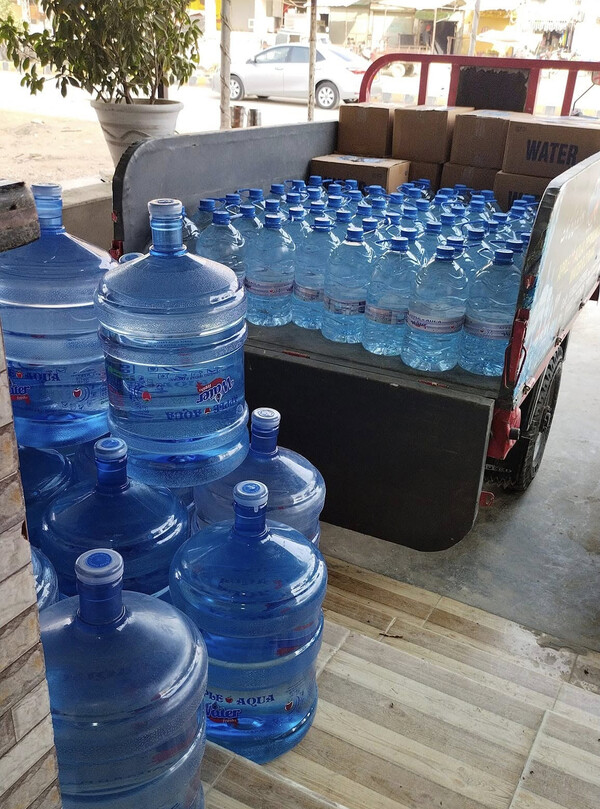
일부 지역에서는 오염 물질 농도가 높아짐에 따라 수도 사업자가 주민들에게 생수를 공급하는 사례도 있다. [사진출처(Photo source) = 애플 아쿠아 프리미엄 워터(Apple Aqua Premium Drinking Water)]
교묘하게 숨어 있는 수질 오염물질의 세계
‘과불화화합물(PFAS)’을 예로 들어보겠다. 이 물질들은 환경 속에 아주 오랫동안 남아 있기 때문에 ‘영원한 화학물질(forever chemicals)’이라고도 불린다. PFAS는 물, 기름, 열에 강한 성질을 가지고 있어 다양한 소비재 제조에 널리 사용되는 화학 물질군이다. 연구에 따르면 특정 PFAS(과불화화합물)에 노출되는 것은 내분비계 교란, 태아의 저체중 출산, 특정 유형의 암과 같은 만성적인 건강 문제를 유발할 수 있다.
현재 미국 연방 식수기준(Federal Drinking Eater Standards)은 환경에 흔히 존재하는 두 가지 유형의 PFAS 농도를 4ppt(parts per trillion)로 제한하고 있는데, 이는 최첨단 분석 장비로도 검출하기 매우 어려운 수준이다.
하지만 PFAS라는 더 넓은 화학물질군에는 과학적으로 그 존재나 건강 영향이 충분히 밝혀지지 않았고, 대중이나 정책적 차원에서는 완전히 간과되고 있는 다른 많은 물질이 포함되어 있다.
수질 엔지니어들이 직면한 과제는 단순히 PFAS나 기타 화합물 및 오염물질의 존재 여부를 확인하는 데 그치지 않는다. 연구자들은 물 속에 존재하는 이러한 화학물질의 농도, 사람들이 어떻게 이에 노출되는지, 인체에 어떤 영향을 미치는지, 그리고 다양한 정수 기술을 통해 얼마나 효과적으로 이를 제거하거나 분해할 수 있는지 파악해야 한다.
당장 치명적이지 않더라도…나중에 문제가 될 수 있다
사람의 몸을 거쳐 배출된 의약품 잔류물(Pharmaceutical Residues)은 하수도로 유입된다. 농약과 같은 농업용 화학물질은 농경지에서 수로로 흘러 들어간다. 이러한 폐기물들은 토양과 물을 이동하는 과정에서 분해되어 연구가 거의 이루어지지 않은 새로운 화합물로 변할 수 있으며, 결국 지하수나 하·폐수에 모여 처리 과정을 거친 뒤 다시 환경으로 배출된다. 이렇게 연구가 부족한 화합물들이 장기적으로 어떤 영향을 미칠지는 아직 완전히 밝혀지지 않았다.
정수처리 시설에서는 소독 과정의 일환으로 흔히 염소를 사용한다. 그런데 염소가 부패한 식물이나 미생물과 같은 천연 유기물과 반응하면 ‘소독 부산물(Disinfection byproducts, DBP)’이 생성된다. 이러한 부산물 중에는 트리할로메탄(Trihalomethanes, THMs)과 같은 화학물질이 포함되어 있는데, 이는 발암물질로 알려져 있어 식수로 안전하게 사용하기 위해서는 추가적인 처리 과정을 통해 반드시 제거해야 한다.
어떤 오염물질은 즉각적인 위협이 되지만, 어떤 것들은 시간이 지남에 따라 위협이 축적되기도 한다. 예를 들어, 식수를 통해 미세플라스틱(Microplastic)을 섭취하는 것이 당장 해롭지는 않을지 몰라도, 노출된 지 수년이 지난 후에도 사람의 혈액에서 미세플라스틱이 검출되고 있다.
그래서 우리 수질 과학자들은 물 속에 무엇이 들어 있는지 뿐만 아니라, 그것이 인체에 즉각적으로 혹은 수십 년에 걸쳐 어떤 영향을 미칠 수 있는지 밝혀내고자 한다.
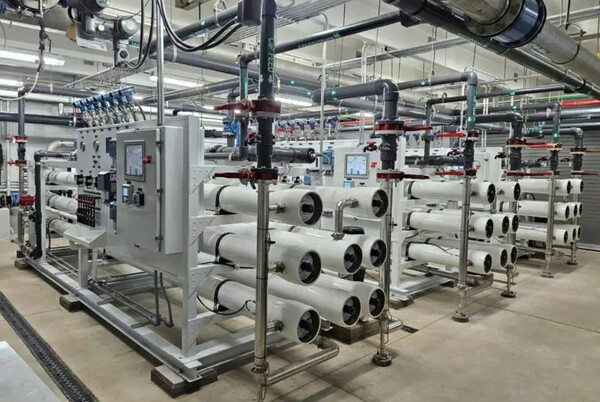
미국 여러 주에서는 여러 단계의 필터 시설을 거쳐 식수를 정수한 뒤 각 가정으로 공급한다. 사진은 위네콘 마을 역삼투압 수처리 시스템(Winneconne Reverse Osmosis Water Treatment System). [사진출처(Photo source) = 맥마흔 어소시에이츠 주식회사(McMahon Associates, Inc.)]
마시는 것도 나쁘지만, 들이마시는 것은 더 위험할 수 있다
수질 오염물질의 경우, 노출되는 시간적 범위와 경로 또한 중요한 문제이다. 오랫동안 사용하지 않아 물이 고여 있는 수도관에는 세균이 증식할 수 있다. 이후 샤워기를 틀거나 야외 분수대를 가동하면, 이 세균들이 미세한 물방울(안개 형태)에 섞여 공기 중으로 퍼져 나간다. 이는 식수 내 화학 오염물질에 노출되는 것과는 또 다른 유형의 위험인데, 세균 감염을 유발할 수 있기 때문이다.
예를 들어, 식수 공급 시스템이나 발전소 냉각탑에 응결수가 고일 때 증식할 수 있는 박테리아 집단인 ‘레지오넬라균(Legionella spp.)’이 대량으로 번식하면, 이를 포함한 수증기를 들이마신 사람들에게 급성 폐렴의 일종인 ‘레지오넬라병(Legionnaires disease)’이 발생할 수 있다. 수인성 병원체와 그로 인한 감염병은 매년 수십억 달러에 달하는 유지보수 비용과 의료 비용을 발생시킨다.
위험 요인(Hazard)과 위험(Risk) - 미시간주 플린트(Flint)의 사례
‘위험 요인(hazard)’이 무엇인지, 그리고 그것이 어떻게 궁극적으로 인체 건강에 대한 ‘위험(risk)’으로 이어질 수 있는지 구분하는 것은 중요하다. 미시간주 플린트(Flint)의 사례를 보면, 수도관에 포함된 납은 ‘위험 요인’이다. 하지만 수도관을 흐르는 물이 화학적으로 안정되어 있어 수도관 속의 납과 반응하지 않는다면, 인체 건강에 미치는 즉각적인 위험은 낮다.
2014년 플린트시에서 발생한 물 위기 당시, 새로운 수원에서 공급된 물은 수도관으로부터 납( Lead', Pb)을 녹여내지 못하도록 하는 화학적 처리 과정을 거치지 않았다. 2016년 무렵, 주민들은 더 이상 수돗물을 마시지 말라는 지시를 받게 되었다. 물이 위험한 수준의 납으로 오염되었기 때문인데, 납은 신경학적 문제를 일으키고 뇌 기능을 손상시킬 수 있다.
진정으로 중요한 질문은 단순히 물 속에 무엇이 들어 있는지를 확인하는 것을 넘어, 어떤 종류의 위험이 존재하는지를 파악하는 것이다. 여기에는 레지오넬라병처럼 즉각적으로 나타나는 위험도 있고, 납 중독이나 암처럼 만성적으로 나타나는 위험도 포함된다. 규제 기준이 모든 잠재적 오염원이나 오염 유형을 항상 다루고 있는 것은 아니다.
다음에 거주 지역의 수질보고서를 검토할 때는, 단순히 모니터링 항목에 무엇이 포함되어 있는지 확인하는 것에 그치지 말고, 목록에서 아예 빠져 있는 것은 무엇인지도 함께 고려해 보시기 바란다.
[원문보기]
Annual water-quality reports don’t tell the full story of what you’re drinking
Water is vital to life, which is part of why we study what’s in it
Drinking water isn’t just H₂O - though there are over 15 septillion molecules of it in a standard glass. It also contains natural minerals, dissolved organic and biological matter, and substances that enter from agriculture, industry, consumer products and water treatment.
Most of these substances are harmless at the concentrations typically found in water. Some are beneficial, and even essential, such as sodium, fluoride and calcium ions, which build strong bones and teeth. Additionally, these ions balance electrolytes that regulate bodily function.
In fact, drinking large quantities of completely demineralized or distilled water can disrupt the body’s electrolyte balance. This water would dilute the natural sodium levels in blood, potentially causing hyponatremia, a condition with symptoms such as nausea, headache, confusion and seizures.
Most people encounter water-quality science through an annual report from their local water company. It’s usually a couple of pages long with chemical names and numbers in a table. It lists various compounds that may exist in the water, summarizes what has been found in tests of the water source, and explains whether the water meets government-set standards that promote and protect public health and safety.
These reports provide important information about drinking water safety, but they are not a complete inventory of every substance scientists can detect or are working to understand.
We study a range of contaminants, chemical and biological, that are found in drinking water, with the goal of developing technologies to further safeguard public health. This includes pollutants and pathogens that are not included on an annual water report.
A secret world of sneaky water pollutants
Consider perfluoroalkyl and polyfluoroalkyl substances, more commonly known as PFAS and also called “forever chemicals” because they persist in the environment for a long time. These are a large family of chemicals used in consumer products because they resist water, oil and heat.
Research has linked exposure to certain PFAS with adverse chronic health effects, such as endocrine disruption, low birth weight in fetuses and certain types of cancer.
Federal drinking water standards now limit the amount of two common types of PFAS found in the environment to 4 parts per trillion, a level extremely hard to detect even on advanced analytical equipment. However, the broader chemical family includes many others whose occurrence and health effects are less understood by scientists and completely missed by the public or policy.
The challenge that water-quality engineers face is not simply to determine whether PFAS, or other compounds and pollutants, are present. Rather, researchers need to understand the concentrations of those chemicals in the water, how people are exposed to them, what their effects on the body are, and how effectively different treatment technologies can remove or destroy them.
What doesn’t kill you…might later
Pharmaceutical residues from medicine that passes through people’s bodies enter sewage systems. Agricultural chemicals such as pesticides flow off croplands into waterways.
Both of these types of waste can break down into new, less studied compounds as they move through soil and water, eventually collecting in groundwater or wastewater to be treated and redistributed. The potential long-term effects of these lesser-studied compounds are not fully understood.
Water treatment plants often use chlorine as part of the disinfection process. But when chlorine reacts with natural organic matter, such as decayed plants and microorganisms, it forms disinfection byproducts. These byproducts include chemicals such as trihalomethanes, which are known carcinogens that must be removed with further treatment before the water is safe to drink.
Some contaminants pose an immediate threat; others pose threats that accumulate over time. For instance, ingesting microplastics in drinking water may not hurt you right now, but they are being detected in people’s blood years after exposure. We water-quality scientists want to know not only what’s in the water, but what it might do to your body right away or across decades.
Bad to drink, even worse to breathe
The timescale and route of exposure of waterborne contaminants matter, too. If stagnant pipes are left unused for a long time, bacteria can build up. Then, when people start a shower or an outdoor fountain, that bacteria travels into the air in mist. This poses a different kind of threat than exposure to a chemical pollutant in drinking water because this would lead to bacteria infection.
For example, when there is a large buildup of Legionella spp. , a group of bacteria that can grow in drinking water distribution systems and power plant cooling towers when condensation pools, people who inhale the water vapor can develop Legionnaires’ disease, an acute form of pneumonia. Waterborne pathogens and their associated infections account for billions of dollars in maintenance and healthcare costs annually.
Hazards, risk and Flint as an example
Moreover, it is important to distinguish what is hazardous and how it could eventually become a human health risk. In the case of Flint, Michigan, lead in a water pipe is a hazard, but as long as the water flowing through it is chemically stable and doesn’t react with lead from the pipes, the immediate risk to human health is low.
In the city’s 2014 water crisis, water from a new source was not chemically treated to reduce its ability to pick up lead from the pipes. By 2016, people had been ordered not to drink the water anymore because it was contaminated with dangerous levels of lead, which can cause neurological problems and impair brain function.
The real questions go beyond just looking at what’s in water, to include what kinds of dangers are there, whether immediate like Legionnaires’ disease or chronic like lead poisoning or cancer. Regulatory standards don’t always address every potential source or type of contamination.
The next time you review your local water report, don’t just look at what is being monitored; consider what may not be on the list at all.
[출처 = 더 컨버세이션(The Conversation)(https://theconversation.com/annual-water-quality-reports-dont-tell-the-full-story-of-what-youre-drinking-294766) / 2026년 11월 16일]
 즐겨찾기 추가
 시작페이지로 설정



























