[영국] 영국 하천 PFAS 농도 10년간 최대 30% 감소
환경청, 2016~2025년 조사 결과 발표…PFOS 30%·PFOA 29% 감소 확인
정부 규제·사용 제한 효과 가시화…광범위한 잔류오염에 지속 대응 필요
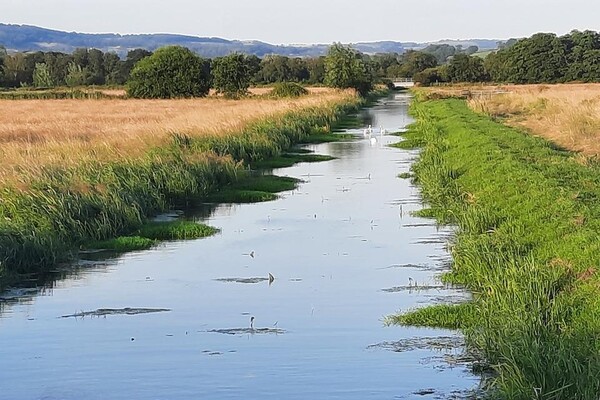
영국 환경청은 11월 12일 발표한 PFAS 오염원·이동경로·환경자료 보고서를 통해 2016년부터 2025년까지 영국 잉글랜드 지역 하천의 PFOS 농도가 약 30%, PFOA 농도가 29% 감소했다고 밝혔다. [사진출처(Photo Source) = 영국 환경청]
영국 하천에서 검출되는 과불화화합물(PFAS) 중 과불화옥탄술폰산(PFOS)과 과불화옥탄산(PFOA)의 농도가 지난 10년간 크게 감소한 것으로 나타났다.
영국 환경청(Environment Agency)은 11월 12일 발표한 PFAS 오염원·이동경로·환경자료 보고서(PFAS Sources, Pathways & Environmental Data)를 통해 2016년부터 2025년까지 영국 잉글랜드 지역 하천의 PFOS 농도가 약 30%, PFOA 농도가 29% 감소했다고 밝혔다. 같은 기간 담수어류에서 검출된 PFOS 농도도 약 49% 줄었다.
PFAS는 다양한 제품과 산업공정에 사용되는 화학물질군으로, 상당수가 자연환경에서 분해되는 데 수백 년이 걸리고 장기간 축적될 수 있어 '영원한 화학물질(Forever Chemicals)'로 불린다.
이번 보고서는 환경청이 2021년 실시한 PFAS 평가를 갱신한 것으로, 이전보다 광범위한 환경자료와 발전된 모니터링·분석기술을 활용해 PFAS의 환경 중 분포와 이동 특성을 분석했다.
환경청은 PFOS와 PFOA의 농도 감소가 정부의 화학물질 사용 제한과 규제 조치에 따른 성과라고 평가했다. 다만 과거 수십 년간 광범위하게 사용된 PFAS가 환경에 잔류하고 일부 오염원에서 배출이 지속되면서 PFAS 오염은 여전히 여러 지역에서 확인되고 있다고 설명했다.
이번 조사 결과는 영국 정부가 올해 초 발표한 최초의 PFAS 관리계획을 이행하는 데 활용될 예정이다. 해당 계획은 PFAS의 발생원과 환경 중 이동경로를 파악하고, 인체와 환경의 노출을 줄이기 위한 정책 방향을 담고 있다.
로버트 브래드번(Robert Bradburne) 영국 환경청 수석과학자는 "2021년 이후 PFAS에 대한 이해가 크게 발전했으며, 현재는 훨씬 다양한 화학물질을 보다 정확하게 모니터링할 수 있게 됐다"며 "일부 기존 PFAS의 농도 감소는 고무적이지만 추가적인 대응이 필요하다"고 말했다.
이어 "이번 조사 결과는 추가 조치가 필요한 지역을 파악하고 환경보호를 위한 효과적이고 합리적인 의사결정을 지원하는 데 도움이 될 것"이라고 덧붙였다.
엠마 하디(Emma Hardy) 환경식품농림부(Defra) 수자원 담당 장관은 "정부는 PFAS 사용에 대한 규제 강화와 지침 개정, 광범위한 모니터링, 안전한 대체물질 개발 지원 등을 통해 오염 문제에 대응하고 있다"며 "국민과 환경의 PFAS 노출을 줄이기 위한 노력을 지속하겠다"고 밝혔다.
맨체스터메트로폴리탄대학교의 데이비드 멕슨(David Megson) 환경화학·법과학 부교수는 "수천 개 시료에서 확보한 자료는 PFAS에 따른 환경오염 실태를 이해하는 데 중요한 기반이 될 것"이라며 "기존 PFAS 농도의 감소 추세를 확인하는 동시에 오염이 심각한 지역을 선별해 대응을 강화할 수 있다"고 평가했다.
또한 환경청이 PFAS 총량 분석과 비표적 분석 등 첨단 분석기술을 도입하고 있다는 점을 긍정적으로 평가하면서, 이를 통해 새로운 오염 추세를 조기에 파악하고 선제적으로 대응할 수 있을 것으로 전망했다.
영국 정부는 PFAS 관리계획에 따라 하구와 연안해역의 수질검사 및 모니터링을 강화하고, 발수 기능이 있는 의류와 신발 등 일상용품에 사용되는 PFAS를 대체할 안전한 물질 개발을 추진하고 있다. 국민의 PFAS 이해도를 높이기 위한 전용 웹사이트를 개설하고, 오염토지에 잔류한 PFAS에 대응할 수 있도록 규제기관과 산업계를 위한 지침도 마련할 계획이다.
이와 함께 소방용 포말에 포함된 PFAS의 사용 제한을 검토하고, 잔류성유기오염물질(POPs)의 추가 사용을 금지하기 위한 입법도 추진한다.
현재 영국 환경청은 하천과 호소, 지하수, 하구, 연안해역, 매립지 침출수 등을 대상으로 PFAS 모니터링을 실시하고 있다. 기존 물질뿐 아니라 새롭게 사용되는 PFAS와 분해 과정에서 우려 물질로 전환될 수 있는 화학물질까지 조사 범위를 확대했다.
앞으로는 대기 중 PFAS 모니터링, 수질 기준값, 대체 화학물질 등에 관한 연구를 통해 과학적 근거를 확충하고, 향후 정책 수립과 규제 개선, 오염지역에 대한 맞춤형 대응을 지원할 방침이다.
[원문보기]
New report shows progress in cutting levels of ‘forever chemicals’ in England’s rivers
Levels of two ‘forever chemicals’, PFOS and PFOA, in England’s rivers and freshwater fish have fallen significantly over the past 10 years, according to a new Environment Agency report, which says restrictions and targeted action from government have helped.
PFAS are a large group of chemicals used in a wide range of products and industrial processes. They are often called ‘forever chemicals’ because many break down very slowly over hundreds of years and can build up in the environment over time.
The new PFAS sources, pathways & environmental data report published today (Thursday 12 November) updates the Environment Agency’s 2021 assessment, providing an updated picture of these persistent substances in the environment. It also draws on a much larger body of environmental data and advances in monitoring and analysis.
It found that, between 2016 and 2025, levels of PFOS in English rivers fell by around 30% and PFOA by 29%. Meanwhile PFOS concentrations in freshwater fish declined by approximately 49%.
These significant reductions in the environment show that regulatory action including by the government, such as the controls and restrictions on the chemicals PFOS and PFOA, can lead to measurable reductions of key legacy PFAS. However, the report found the presence of PFAS continues to be widespread, reflecting decades of historic use and continued releases from some sources.
The findings will support delivery of the UK’s first ever PFAS Plan, which the Government published earlier this year to better protect the nation and environment from these persistent chemicals.
Tackling one of the most pressing environmental challenges of our time, the Plan sets out future direction to better understand where these chemicals are coming from, how they spread and how to reduce exposure to them.
The Environment Agency’s Chief Scientist, Dr Robert Bradburne said:
"Our understanding of PFAS has advanced significantly since 2021. We can now monitor a much wider range of these chemicals with greater accuracy, giving us a clearer picture of where they are found and how they behave in the environment."
"The reductions in some older PFAS are encouraging, but there is more to do. This evidence will help us identify where further action is needed and support effective, proportionate decisions to protect the environment."
Environment Minister Emma Hardy said:
"We are acting to crack down on forever chemicals through tougher rules on their use, updated guidance, widespread monitoring, and support for safer alternatives."
"I welcome the findings of this report, and this government is determined to reduce exposure to these chemicals for the public and the environment."
Dr David Megson, Reader in Chemistry and Environmental Forensics at Manchester Metropolitan University, said:
"It’s brilliant to see how far we have come in the last 10 years, and this report shows what great progress has been made."
"There is now data from thousands of samples, and this will be essential in helping us understand the state of our environment when it comes to PFAS. Positive trends indicate that levels of legacy PFAS are declining, but this report can be used to identify and target the worst areas of PFAS pollution so we can further accelerate work."
"I am also delighted to see the Environment Agency investigating and embracing emerging advanced analytical techniques that consider total PFAS and non-targeted analysis. This will help get us ahead of the PFAS problem as we will be able to see emerging trends and act before it’s too late."
"There is a lot to do, and this report provides an essential foundation to support investigations to make the polluters pay for any damage they have caused."
Key actions from the PFAS Plan included improved testing and monitoring of England’s estuaries and coastal waters and developing safer alternatives to everyday items like water-repellent clothing and footwear. A new website will also be published to raise the public’s understanding as well as developing new guidance for regulators and industries to address legacy PFAS pollution on contaminated land.
Further work includes a possible restriction on the use of forever chemicals in firefighting foams, and legislating to prohibit further persistent organic pollutants.
The Environment Agency now has one of the most advanced PFAS monitoring capabilities in the world with the expanded monitoring programme covering rivers, lakes, groundwater, estuaries, coastal waters, and landfill leachate. It also looks at a wider range of PFAS, including newer substances and chemicals that can break down into PFAS of greater concern.
The Environment Agency will continue to expand its evidence base on PFAS and similar chemicals through research into airborne monitoring, water thresholds and potential PFAS replacements, helping inform future policy, regulation, and targeted intervention to help drive action where it can make the greatest difference.
[출처 = 영국 환경청(Environment Agency)(https://www.gov.uk/government/news/new-report-shows-progress-in-cutting-levels-of-forever-chemicals-in-englands-rivers) / 2026년 11월 12일]
 즐겨찾기 추가
 시작페이지로 설정



























