[미국] EPA, 납수도관 식별 신기술 공개 시연회 개최
납수도관 식별 및 어린이 건강 보호 위한 혁신적 도구 소개
 미국 환경보호청(EPA)이 수도관 납 노출 문제 해결을 위한 신기술 검증에 본격적으로 나섰다. EPA는 2026년 11월 10일 뉴저지주 에디슨(Edison)에 위치한 EPA 뉴저지 납수도관 테스트베드에서 납수도관을 보다 빠르고 저렴하게 찾아낼 수 있는 차세대 식별 기술을 처음으로 공개 시연했다고 밝혔다.
이번 행사에는 마이클 마투치(Michael Martucc) EPA 제2지역 국장과 테레사 부샤기(Teresa Booeshaghi) 응용과학·환경솔루션국(OASES) 부국장이 참석해 다트머스 대학교(Dartmouth College)와 드렉셀 대학교(Drexel University) 연구진이 개발한 기술을 직접 참관했다.
EPA에 따르면 이번에 공개된 기술들은 전통적인 굴착 조사 방식보다 적은 비용과 낮은 환경 영향으로 납수도관을 식별할 수 있는 잠재력을 갖고 있다.
다트머스 대학교 연구팀은 전자기유도(EMI, Electromagnetic Induction) 기술을 선보였다. 이 기술은 전자기장을 이용해 지하 금속관의 반응을 측정한 뒤, 분석 결과를 바탕으로 납관과 구리관 등의 재질을 구분한다. 관을 직접 노출시키지 않고도 식별이 가능한 것이 특징이다.
드렉셀 대학교 연구팀은 응력파(Stress Wave) 기술을 시연했다. 연구진은 수도관 밸브에 연결된 연장봉(Extension rod)을 두드려 진동을 발생시키고, 지표면 센서가 배관과 주변 토양을 통해 전달되는 신호를 분석해 납관 여부를 판별한다.
EPA는 이러한 기술이 상용화될 경우 수도 사업자가 보다 효율적으로 납수도관의 위치를 파악할 수 있을 것으로 기대하고 있다.
EPA는 정확하고 신뢰성 높은 비파괴 탐지 기법을 검증하기 위해 2025년 에디슨 환경센터 내에 납 급수관 식별 테스트베드를 구축했다.
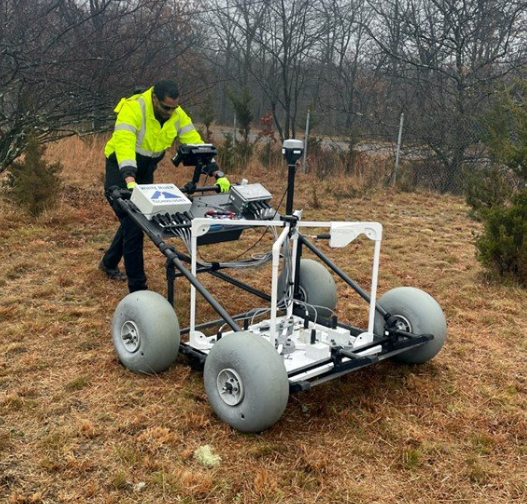
EPA는 2026년 11월 10일 뉴저지주 에디슨(Edison)에 위치한 EPA 뉴저지 납수도관 테스트베드에서 납수도관을 보다 빠르고 저렴하게 찾아낼 수 있는 차세대 식별 기술을 처음으로 공개 시연했다고 밝혔다. 납 수도관 매설 능력을 시험 중인 금속 탐지기. [사진출처(Photo source) = 미국 환경보호청(EPA)]
테스트베드는 △본관에서 가정으로 연결되는 실제 수도관 구조 재현 △모래·실트·점토 등 다양한 토양 조건 평가 △가스관과 수도관 구분 능력 검증 △구리관과 납관이 혼합된 배관 탐지 △콘크리트와 아스팔트 아래 매설된 배관 탐지 △탐지 장비 교정(calibration) 시험 등 총 7개 시험 구역으로 구성돼 있으며 다양한 실제 매설 환경을 재현했다.
EPA는 테스트베드 운영을 통해 각 기술의 정확도, 성능, 사용 편의성에 대한 데이터를 축적하고 이를 주 정부와 수도 사업자, 규제기관에 제공할 계획이다. 또한 유망 기술의 연구개발과 시장 진입을 촉진해 납수도관 교체 비용을 절감하고 공중보건 보호 효과를 높일 수 있을 것으로 기대하고 있다.
이번 공개 시연은 미국이 남아 있는 수백만 개의 납수도관 문제를 해결하기 위해 첨단 탐지 기술을 적극 활용하려는 움직임의 상징적 사례로 평가된다.
한편, EPA는 현재 미국 전역에 약 400만 개의 납 급수관이 남아 있는 것으로 추산하고 있다. 이러한 배관을 통해 식수 공급이 이뤄질 경우, 특히 산성도가 높거나 무기질 함량이 낮아 부식성이 강한 물에서는 납이 용출돼 수돗물로 유입될 수 있다. 어린이 건강에 미치는 영향이 가장 큰 우려 요소다.
미국의 수도사업자는 「안전한 식수법(Safe Drinking Water Act)」에 따라 급수관 재질 목록을 제출해야 하며, 납관 여부를 파악하는 것이 주민 보호의 첫 단계로 간주된다. EPA에 따르면 전체 수도 시스템의 97% 이상이 이미 초기 재질 조사를 완료했다.
또한 EPA는 개정된 납·구리 규정(Lead and Copper Rule Improvements)에 따라 공공 수도 시스템이 2037년까지 사실상 모든 납 급수관을 교체를 권장하고 있지만 과거 설치 기록이 없거나 부정확한 경우가 많아 실제 위치를 확인하는 데 어려움이 있으며, 굴착 방식은 비용이 높고 주변 환경을 훼손할 뿐 아니라 오히려 납을 유출시킬 위험도 있다.
테레사 부샤기 부국장은 "EPA의 납수도관 테스트베드는 연구자들이 통제된 환경에서 혁신 기술을 평가하고, 중요한 공중보건 문제 해결 가능성을 검증할 수 있는 전용 공간을 제공한다"면서 "납수도관 식별 기술을 발전시킴으로써, 비용이 많이 드는 굴착 작업을 줄이면서 문제를 보다 신뢰성 있게 해결할 수 있다"고 말했다.
마이클 마투치 국장은 “찾을 수 없는 것은 교체할 수 없다”며 “수도 사업자가 더 쉽고 적은 노동력으로 납관을 찾을 수 있다면 미국 전역 지역사회에 큰 도움이 될 것”이라고 강조했다.
[원문보기]
EPA Hosts First-Ever Public Demonstration of Emerging Technologies to Identify Lead Service Lines
Demonstrations at EPA’s New Jersey research test bed highlights innovative tools that will help water systems protect children’s health and identify lead pipes
Today, U.S. Environmental Protection Agency (EPA) hosted its first-ever public demonstration of promising, emerging technologies to help combat lead exposure at EPA’s Lead Service Line Identification Test Bed in Edison, New Jersey. The technologies on display have the potential to identify lead service lines faster, cheaper, and with less disturbance than traditional methods.
EPA Region 2 Administrator Michael Martucci and Office of Applied Science and Environmental Solutions (OASES) Associate Administrator Teresa Booeshaghi witnessed the technology demonstrations from researchers at Dartmouth College and Drexel University.
The Trump EPA is committed to harnessing gold standard science and unleashing American innovation to reduce lead exposure, especially for young kids, who are particularly vulnerable to environmental hazards.
“EPA’s Lead Service Line Test Bed provides researchers with a dedicated space to evaluate innovative technologies under controlled conditions and assess their potential to address a critical public health challenge,” said Teresa Booeshaghi, Associate Administrator of OASES. “By advancing the science behind lead service line identification we can help more reliably address the issue while reducing the need for expensive excavation.”
“You can’t replace what you can’t find. Giving water systems better, less labor-intensive ways to locate lead pipes could make a tremendous difference for communities across the country,” said Michael Martucci, EPA Region 2 Administrator. “This is EPA putting gold-standard science to work on a serious, costly problem that cities across America have struggled with for decades.”
EPA opened the Lead Service Line Identification Test Bed at the Edison Environmental Center in 2025 to advance the evaluation of accurate, reliable, and minimally invasive methods for locating lead service lines.
Dartmouth University researchers demonstrated their electromagnetic induction (EMI) technology, which uses electromagnetic fields to induce and measure responses from buried metal pipes.
Researchers analyze these responses to help distinguish pipe materials, including lead and copper, without exposing the pipes. Drexel’s team demonstrated their stress wave technology, which uses mechanical vibrations to help locate lead service lines.
The researchers generate the vibrations by striking an extension rod connected to an accessible service line valve. The ground sensors capture signals traveling through the pipe and surrounding soil to help distinguish lead from non-lead service lines.
Service lines are the pipes that carry drinking water from water mains to buildings, including homes, schools, and offices. If a service line is made of lead, it can pose serious health risks, particularly for young children.
Under the Safe Drinking Water Act, public water systems are required to submit inventories of what their service lines are made of, including lead, as a first step in protecting the people they serve.
The vast majority of water systems—more than 97 percent—have completed these initial inventories. Technologies like those developed by Dartmouth and Drexel are making it easier and more cost-effective for water systems to identify exactly where those lead service lines are located. EPA’s Test Bed provides an important platform for researchers and businesses to test their technologies and demonstrate proof of concept.
While not a certification program, the test bed provides a stable location with controlled conditions to evaluate potential technologies. EPA’s inclusion of Dartmouth College and Drexel University does not constitute endorsement, recommendation, or certification by EPA.
[출처 = 환경보호청(EPA)(https://www.epa.gov/newsreleases/epa-hosts-first-ever-public-demonstration-emerging-technologies-identify-lead-service) / 2026년 11월 10일]
 즐겨찾기 추가
 시작페이지로 설정



























