[세계시장조사보고서] “유럽 '디지털 워터 솔루션 시장' 2036년까지 121% 급증”
유럽 전역 '디지털 워터 솔루션' 연간 지출, 2026년 126억 달러(16조8천626억 원)에서 2036년까지 279억 달러(37조3천386억 원)로 두 배 이상 증가
누적 지출은 10년간(2026∼2036년) 2천118억 달러(283조4천519억 원)에 이를 것으로 예측
유럽 수도 공공회사들 재정 및 인력자원 증가 없이 성과 개선해야 하는 압박에 직면
블루필드 리서치, ‘2026∼2036년 유럽 디지털 수자원 지형: 동향·유틸리티 전략·성장 전망’ 보고서 발표
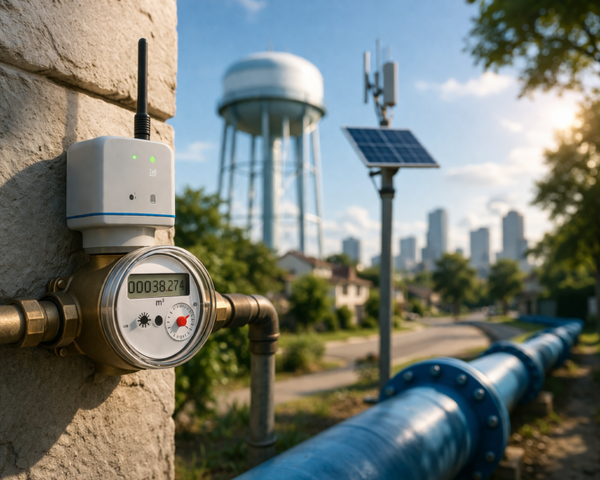
세계적인 물 시장 데이터 및 분석 기관인 블루필드 리서치 새로운 보고서인 『유럽 디지털 수자원 지형 : 동향, 유틸리티 전략, 성장 전망, 2026∼2036년』에 따르면, 2026년 126억 달러(약 16조 8천626억 원)에 달하던 유럽 전역의 디지털 수자원 솔루션 연간 지출이 2036년까지 279억 달러(약 37조 3천386억 원)로 두 배 이상 증가, 연평균 성장률(CAGR)은 8.25%에 달할 것으로 전망했으며, 누적 지출은 10년간 2천118억 달러(약 283조 4천519억 원)에 이를 것으로 예상된다. [사진출처(Photo source) = WM 시스템즈 LLC]
유럽의 수도 공공 회사들(Utilities)은 재정 및 인력자원 증가 없이 성과를 개선해야 하는 압박에 직면하고 있다. 노후화된 인프라, 물 부족, 더욱 강화된 환경 규제, 인력 부족과 같은 도전 과제들은 예측 분석, 자동화, 최적화 투자를 포함한 디지털 워터 솔루션의 도입을 가속화하고 있다.
세계적인 물 시장 데이터 및 분석 기관인 미국 보스턴에 있는 블루필드 리서치(https://www.bluefieldresearch.com/) 새로운 보고서인 『유럽 디지털 수자원 지형 : 동향, 유틸리티 전략, 성장 전망, 2026∼2036년(Europe Digital Water Landscape : Trends, Utility Strategies, Growth Forecasts, 2026∼2036)』에 따르면, 2026년 126억 달러(약 16조 8천626억 원)에 달하던 유럽 전역의 ‘디지털 워터 솔루션’ 연간 지출이 2036년까지 279억 달러(약 37조 3천386억 원)로 두 배 이상 증가, 연평균 성장률(Compound Annual Growth Rate, CAGR)은 8.25%에 달할 것으로 전망했으며, 누적 지출은 10년간 2천118억 달러(약 283조 4천519억 원)에 이를 것으로 예측했다.
블루필드 리서치(Bluefield Research)의 마리아 카르데날(Maria Cardenal) 수석 분석가는 “수도회사는 전통적으로 계량, 모니터링, 제어 시스템에 의존해 네트워크 상태를 추적하고 고장을 식별하며 규제 요건을 충족해왔다”라면서 “이제 투자는 문제를 예측하고, 물 손실을 줄이며, 에너지 소비를 최적화하는 기술로 점점 더 이동하고 있다”고 분석했다.

유럽의 수도 공공 회사들(Utilities)이 스마트 계량기, 센서, 연결 운영 시스템의 배치를 확대함에 따라, 증가하는 데이터 양의 관리 및 보안은 점점 더 중요한 투자 우선순위가 되고 있다. 정보 관리는 가장 빠르게 성장하는 디지털 워터 솔루션 카테고리로, 2036년까지 지출은 연평균 성장률(CAGR)으로 11.3% 증가할 것으로 예상된다. [사진출처(Photo source) = 카롤로 엔지니어스(Carollo Engineers)]
스마트 계량기와 네트워크 최적화가 유럽 디지털 물 투자 재편
계량 및 고객 관리 분야는 유럽 디지털 물 시장에서 가장 큰 성장 부문 중 하나로, 2036년까지 연평균 성장률(CAGR) 7.8%를 기록할 것으로 전망된다. 이에 수도 사업자들은 기존 계량기나 자동 검침 방식에서 첨단 계량 인프라(Advanced Metering Infrastructure, AMI)로의 전환을 서두르고 있다.
이를 통해 더 빈번한 소비 모니터링이 가능해지고, 누수 탐지 기능이 향상되며, 요금 청구의 정확도도 높아진다. 스페인과 이탈리아에서의 대규모 도입 사례와 영국의 AMP8(Asset Management Period8) 투자 프로그램 등이 이러한 도입을 주도하고 있으며, 규제 요건과 공공 자금 지원이 이를 뒷받침하고 있다.
스마트 계량기(Smart Meter) 도입이 확대됨에 따라 투자 기회는 계량기 자체를 넘어서고 있다. 계량기 데이터 관리 및 고객 참여 플랫폼에 대한 지출은 각각 10.1%와 14.5%의 연평균 성장률로 증가할 것으로 예상되며, 유틸리티는 청구 정확성을 높이고, 소비 패턴에 대한 더 깊은 통찰력(Insights)를 얻으며, 고객에게 물 사용량을 더 잘 파악하려 한다.
계량기 외에도 네트워크 및 플랜트 관리는 유럽에서 가장 큰 디지털 수자원 투자 분야 중 하나로, 2036년까지 예상 지출의 거의 절반을 차지할 것으로 블루필드 리서치는 예측했다. 확립된 모니터링 및 제어 시스템이 유틸리티 운영의 기반을 계속 유지하고 있지만, 가장 빠르게 성장하는 기회 중 일부는 첨단 모니터링, 예측 유지보수, 네트워크 및 플랜트 최적화 분야이다.
이러한 솔루션들은 유틸리티가 잠재적 고장을 조기에 발견하고, 물 손실과 에너지 소비를 줄이며, 유지보수와 자본 투자에 대해 보다 현명한 결정을 내릴 수 있도록 돕고 있다.
수도 공공 회사들(Utilities)이 디지털 역량을 확장함에 따라, 인공지능(Artificial Intelligence, AI)과 머신러닝(Machine Learning, ML)을 활용해 네트워크 상태를 분석하고 장비 고장을 예측하며 실시간 유지보수 우선순위를 정하고 있다.
블루필드 리서치는 AI 기반 디지털 수도 솔루션이 2036년까지 연평균 17.8%의 성장률로 전체 시장의 두 배 이상 성장할 것으로 예측했다. 기존 모니터링 및 통제 시스템을 대체하는 대신, 이러한 기술은 기존 인프라를 기반으로 운영 성과를 향상시키고 있다.
하지만, 전환은 점진적으로 진행되고 있다. 기존 폐쇄회로 텔레비전 검사는 주요 하수처리 네트워크 모니터링 전략의 39%를 차지하며, 더 발전된 디지털 솔루션이 보급되는 가운데도 확립된 검사 방법에 대한 의존이 계속되고 있음을 보여준다.
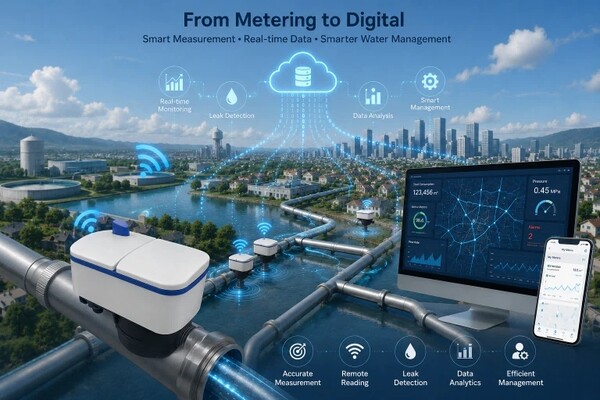
디지털 워터 솔루션의 투자는 유럽 전역에서 유틸리티 규모, 인프라 요구, 규제 압력, 자금 접근성 차이를 반영해 크게 다르다. 서유럽은 최대 지역 시장으로 2036년까지 누적 지출 963억 달러(약 128조 8천590억 원)을 차지하며, 프랑스와 독일이 시스템 업그레이드에 상당한 투자를 주도하고 있다. 영국은 가장 빠르게 성장하는 개별 국가 시장으로, AMP8 규제 투자 주기와 누수 감소 목표에 힘입어 연간 약 10.5% 증가할 것으로 예상된다. [사진출처(Photo source) = 허베이 샹홍 미터스 테크놀로지 유한회사(Hebei Shanghong Meters Technology Co., Ltd)]
영국이 성장을 주도…서유럽 앵커스 스케일
디지털 수자원 투자는 유럽 전역에서 유틸리티 규모, 인프라 요구, 규제 압력, 자금 접근성 차이를 반영해 크게 다르다. 서유럽은 최대 지역 시장으로 2036년까지 누적 지출 963억 달러(약 128조 8천590억 원)을 차지하며, 프랑스와 독일이 시스템 업그레이드에 상당한 투자를 주도하고 있다. 영국은 가장 빠르게 성장하는 개별 국가 시장으로, AMP8 규제 투자 주기와 누수 감소 목표에 힘입어 연간 약 10.5% 증가할 것으로 예상된다.
남유럽과 동유럽에서는 투자 우선순위가 여전히 기초 인프라, 계량, 모니터링 역량에 더 집중되어 있다. EU(유럽연합) 공동 금융은 특히 재정 자원이 제한된 유틸리티의 경우 이러한 업그레이드를 지원하는 데 핵심적인 역할을 한다. 따라서 기술 제공자에게 제공되는 기회는 지리적 측면뿐만 아니라 유틸리티의 운영 요구와 디지털 도입 곡선에서의 위치에도 따라 다르다.
“유럽은 단일 디지털 수자원 시장이 아니다”라고 마리아 카르데날(Maria Cardenal) 수석 분석가는 지적한다.
그는 “디지털 발전 시장에서 유틸리티들은 예측 분석과 최적화에 투자하고 있으며, 다른 기업들은 여전히 필요한 계량, 모니터링, 데이터 인프라를 구축하고 있다”라면서 “기술 제공자 입장에서는 이러한 차이를 이해하는 것이 수요가 어디에서 나타나고 어떤 유틸리티가 채택할 위치에 있는지 파악하는 데 매우 중요할 것”이라고 강조했다.
2026∼2036년 유럽 디지털 물 예측 지역 및 제품 카테고리
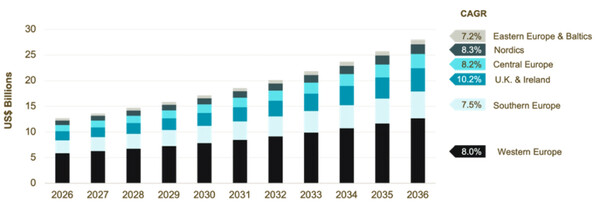
[그림출처(picture source) = 블루필드 리서치(Bluefield Research)]
데이터 관리와 사이버보안의 중요성 증가
유럽의 수도 공공 회사들(Utilities)이 스마트 계량기, 센서, 연결 운영 시스템의 배치를 확대함에 따라, 증가하는 데이터 양의 관리 및 보안은 점점 더 중요한 투자 우선순위가 되고 있다. 정보 관리는 가장 빠르게 성장하는 디지털 수자원 솔루션 카테고리로, 2036년까지 지출은 연평균 성장률(CAGR)으로 11.3% 증가할 것으로 예상된다.
더 높은 연결성은 유틸리티가 사이버 보안 위협에 노출되는 것도 증가시킨다. EU의 NIS2(Network and Information Security Directive 2) 지침은 사이버 보안 위험 관리 및 회복력 요건을 강화하여, 유틸리티가 중요한 운영 시스템을 보호하고 사이버 사고를 탐지, 대응, 복구하는 능력을 강화해야 한다는 압박을 가하고 있다.
블루필드 리서치(Bluefield Research)는 인프라, 정책, 기술 전반에 걸쳐 지방 및 산업 부문을 아우르는 글로벌 물 시장에 대한 데이터, 분석, 통찰을 제공한다. 수자원 시장 정보의 선도적 제공자인 블루필드는 전략적 의사결정자들이 물 시장이 어디로 향하고 있는지, 그리고 그 이유를 이해하도록 돕고 있다.
[원문보기]
Spend on Digital Water Solutions in Europe to Surge 121% by 2036, Fueled by Metering and Analytics
27 October 2026, Barcelona, Spain : Europe’s water utilities face mounting pressure to improve performance without corresponding increases in financial and personnel resources.
These challenges, shaped by aging infrastructure, water scarcity, tighter environmental regulations, and workforce shortages, are accelerating the adoption of digital solutions, including investments in predictive analytics, automation, and optimization.
In a new report, Europe Digital Water Landscape: Trends, Utility Strategies, Growth Forecasts, 2026-2036, Bluefield Research forecasts annual spend on digital water solutions across Europe will more than double, from US$12.6 billion to US$27.9 billion by 2036, representing a compound annual growth rate (CAGR) of 8.25%. Cumulative spending is forecast to reach US$211.8 billion over the decade.
“Water utilities have traditionally relied on metering, monitoring, and control systems to track network conditions, identify failures, and meet regulatory requirements,” says Maria Cardenal, a senior analyst at Bluefield Research. “Now, investment is increasingly shifting toward technologies that help them anticipate problems, reduce water losses, and optimize energy consumption.”
Smart Metering and Network Optimization Reshape Europe’s Digital Water Investment
Metering and customer management represent one of Europe’s largest digital water growth segments, with spending projected to grow at a 7.8% CAGR through 2036.
Utilities are accelerating the transition from conventional meters and automated meter reading to advanced metering infrastructure, enabling more frequent consumption monitoring, improved leak detection, and more accurate billing. Large-scale deployments in Spain and Italy, alongside the U.K.’s AMP8 investment program, are driving adoption, supported by regulatory requirements and public funding.
As these smart meter deployments expand, the investment opportunities are also going beyond the meters themselves. Spending on meter data management and customer engagement platforms is forecast to grow at CAGRs of 10.1% and 14.5%, respectively, as utilities seek to improve billing accuracy, gain deeper insights into consumption patterns, and give customers greater visibility into their water usage.
Beyond metering, network and plant management represents one of Europe’s largest digital water investment categories, accounting for nearly half of projected spend through 2036. While established monitoring and control systems continue to underpin utility operations, some of the fastest-growing opportunities are in advanced monitoring, predictive maintenance, and network and plant optimization.
These solutions are helping utilities identify potential failures earlier, reduce water losses and energy consumption, and make more informed decisions about maintenance and capital investment.
Moving Beyond the Dashboards
As utilities expand their digital capabilities, artificial intelligence (AI) and machine learning are being leveraged to analyze network conditions, anticipate equipment failures, and prioritize maintenance in real time. Bluefield forecasts AI-native digital water solutions to grow at an average annual rate of 17.8% through 2036, more than twice the pace of the overall market. Rather than replacing established monitoring and control systems, these technologies are building on existing infrastructure to improve operational performance.
The transition, however, remains gradual. Conventional closed-circuit television inspections still account for 39% of spending across key wastewater network monitoring strategies, underscoring the continued reliance on established inspection methods even as more advanced digital solutions gain traction.
The U.K. Leads Growth; Western Europe Anchors Scale
Digital water investment varies significantly across Europe, reflecting differences in utility scale, infrastructure needs, regulatory pressures, and access to funding. Western Europe represents the largest regional market, accounting for US$96.3 billion in cumulative spending through 2036, with France and Germany driving substantial investment in system upgrades.
The U.K. is the fastest-growing individual country market, with spending forecast to increase at approximately 10.5% annually, supported by the AMP8 regulatory investment cycle and leakage reduction targets.
In Southern and Eastern Europe, investment priorities remain more focused on foundational infrastructure, metering, and monitoring capabilities. EU co-financing plays a key role in supporting these upgrades, particularly for utilities with limited financial resources. As such, opportunities for technology providers differ not only by geography but also by utilities’ operational needs and position along the digital adoption curve.
“Europe is not a single digital water market,” Cardenal notes. “Utilities in more digitally advanced markets are investing in predictive analytics and optimization, while others are still building out the necessary metering, monitoring, and data infrastructure. For technology providers, understanding these differences will be critical to identifying where demand is emerging and which utilities are positioned to adopt.”
Data Management and Cybersecurity Gain Importance
As European utilities broaden their deployment of smart meters, sensors, and connected operational systems, managing and securing the growing volume of data is becoming an increasingly important investment priority. Information management is the fastest-growing digital water solution category, with spend forecast to increase at an 11.3% CAGR through 2036.
Greater connectivity also increases utilities’ exposure to cybersecurity threats. The EU’s NIS2 Directive is reinforcing requirements for cybersecurity risk management and resilience, adding pressure on utilities to protect critical operational systems and strengthen their ability to detect, respond to, and recover from cyber incidents.
About Bluefield Research
Bluefield Research provides data, analysis, and insights on global water markets, covering the municipal and industrial sectors across infrastructure, policy, and technology. As a leading provider of water market intelligence, Bluefield helps strategic decision-makers understand where the water market is going and why.
The Insight Report, Europe Digital Water Landscape: Trends, Utility Strategies, Growth Forecasts, 2026?2036, provides a comprehensive, bottom-up forecast of the European digital water landscape through 2036, covering hardware, software, services, and connectivity across all major technology segments. The full report is available for purchase and can be downloaded immediately from Bluefield’s website.
[출처 = 블루필드 리서치(Bluefield Research)(https://www.bluefieldresearch.com/ns/spend-on-digital-water-solutions-in-europe-to-surge-121-by-2036-fueled-by-metering-and-analytics/) / 2026년 10월 27일]
 즐겨찾기 추가
 시작페이지로 설정



























