[미국] “미국 소규모 수도시스템, 경제적 측면에서 매우 불리한 상황 놓여”
미국 전역 수도사업자들, 노후화된 기반시설·강화되는 규제·전문 운영 인력 부족 문제에 직면
미국 공공 수도 시스템의 81% 차지하며, 연방 식수 규정 미준수 사례의 93%가 이들 시스템에서 발생
미국 비영리단체 ‘트러스트 인 워터’, 민간 규제 대상 수도사업자가 소규모 및 농촌 지역사회와 협력하는 사례 조명
파트너십 도입 가시적인 성과 거둔 웨스트버지니아주·미주리주·펜실베이니아주 등 3개 주의 우수사례 소개
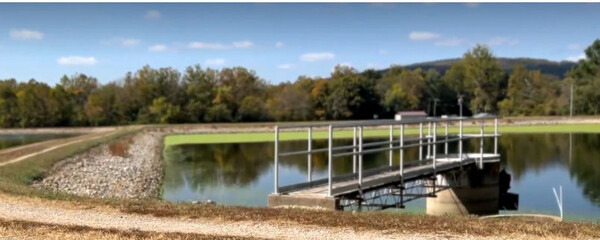
미국의 소규모 및 농촌 지역사회의 상수도 기반 시설은 역사상 가장 엄격한 수준의 수질기준을 충족해야 하는 동시에, 매우 제한된 예산으로 이를 해결해야 하는 어려운 과제에 직면해 있다. [사진출처(Photo source) = 트러스트 인 워터(Trust in Water)]
미국 전역의 수도 사업자들이 노후화된 기반 시설, 강화되는 규제, 그리고 전문 운영 인력 부족이라는 문제에 직면해 있다.
미국 전역의 지역사회에 안전하고 깨끗하며 신뢰할 수 있고 지속 가능한 물 솔루션 제공을 위해 민간 상수도 및 하수도 공급자의 역할에 대한 교육을 제공하는 비영리기관인 '트러스트 인 워터(Trust in Water)'는 『소규모 수도 시스템의 전환 : 민간 규제 대상 사업자가 소규모 시스템의 지속 가능한 미래 구축을 돕는 방법(Transforming Small Water Systems: How Private, Regulated Providers are Helping Small Systems Build a More Sustainable Future)』이라는 연구보고서를 최근 발표했다.
이 보고서는 웨스트버지니아주(West Virginia), 미주리주(Missouri), 펜실베이니아주(Pennsylvania)의 지역사회들이 민간 규제 대상 수도 사업자와의 협력을 통해 어떻게 부실해진 상수도 및 하수도 시스템을 안정화했는지 그 사례를 담고 있으며, 미국 전체 수도 사업자의 압도적 다수를 차지하는 인구 3천300명 미만의 소규모 및 농촌 지역 수도 시스템에 초점을 맞추고 있다.
‘퓨 자선 신탁(Pew Charitable Trusts)’에 따르면, 이러한 소규모 시스템은 미국 공공 수도 시스템의 81%를 차지하며, 연방 식수 규정 미준수 사례의 93%가 이들 시스템에서 발생하고 있다.
몽클레어 주립대학교(Montclair State University) 청정 에너지 및 지속가능성 분석센터(Clean Energy and Sustainability Analytics Center)의 수석 고문이자 뉴저지주 공공유틸리티위원회(New Jersey Board of Public Utilities) 명예 위원 및 트러스트 인 워터(Trust in Water) 리더십 위원회 위원인 우펜드라 치부쿨라(Upendra Chivukula) 박사는 “소규모 및 농촌 지역사회는 역사상 가장 엄격한 수준의 수질기준을 충족해야 하는 동시에, 매우 제한된 예산으로 이를 해결해야 하는 어려운 과제에 직면해 있다”고 말했다.
우펜드라 치부쿨라(Upendra Chivukula) 박사는 “이 보고서는 이러한 지역사회가 새로운 도전 과제에 대응하기 위해 필요한 자본과 전문성을 확보했을 때 어떤 변화가 일어나는지를 보여준다. 수도 시스템은 개선되고, 규정 준수 상태는 회복되며, 주민들은 안전하고 신뢰할 수 있는 서비스를 제공받게 된다”고 덧붙였다.
소규모 시스템이 짊어진 과도한 부담
소규모 시스템은 경제적 측면에서 매우 불리한 상황에 놓여 있다. ‘퓨 자선 신탁(Pew Charitable Trusts)’의 추산에 따르면, 인구 3천300명 미만의 시스템에서 필요한 식수 기반 시설 투자액은 1인당 4천65달러(539만4천 원)인 반면, 대규모 시스템의 경우 1인당 1천749달러(233만 원) 수준이다.
소규모 수도 시스템은 전체 인구의 약 7%에게 서비스를 제공하고 있지만, 식수 기반 시설과 관련하여 필요한 전체 투자액의 약 16%를 차지하고 있다.
미국수도협회(American Water Works Association, AWWA)는 2026년부터 2050년까지 식수 시스템 인프라에 2조 1천억 달러(2천787조 원)에서 2조 4천억 달러(3천186조 원) 규모의 투자가 필요할 것으로 추산하고 있으며, 이는 연간 약 566억 달러(75조 1천365억 원)의 자금 부족액이 발생할 것으로 예상한다.
미국토목학회(American Society of Civil Engineers)는 미국 전역에 900만 개 이상의 납 급수관이 여전히 사용 중이라고 보고했으며, 향후 20년간 식수 인프라 분야에 약 6천250억 달러(829조 6천875억 원)의 투자가 필요할 것으로 분석했다.
이러한 비용 부담과 더불어 규제 요건 또한 계속 확대되고 있다. 미국 환경보호청(EPA)은 2024년 식수 규정을 통해 PFOA(과불화옥탄산) 및 PFOS(과불화옥탄술폰산)에 대한 강제적 기준을 마련했으며, 「납 및 구리 규정 개선안(Lead and Copper Rule Improvements)」을 통해 수도 사업자가 10년 이내에 납 파이프를 식별하고 교체하도록 의무화했다. 이러한 규정을 준수하기 위해서는 상당한 규모의 투자가 필요하다.
인력 부족 문제
자본 조달은 당면한 과제의 일부일 뿐이다. 미국 회계감사원(Government Accountability Office, GAO)은 많은 수도 사업자가 자격을 갖춘 운영 인력이나 숙련된 전문가를 채용하는 데 어려움을 겪고 있다고 보고했다. 또한 EPA는 향후 10년 내에 수도 분야 인력의 30~50%가 은퇴 연령에 도달할 것으로 추산하고 있다.
파트너십을 통한 성과
이 보고서는 파트너십을 도입하여 가시적인 성과를 거둔 웨스트버지니아주(West Virginia), 미주리주(Missouri), 펜실베이니아주(Pennsylvania) 등 3개 주의 사례를 소개한다.
·웨스트버지니아주 시더그로브(Cedar Grove)는 수년간 유지보수가 지연되고 만성적인 누수와 주관로 파손 문제가 발생하자 배수 시스템을 이전(운영 주체 변경)했다. 이 파트너십을 통해 약 930만 달러의 투자가 이루어졌으며, 누수량은 90% 이상 감소했다.
주 규제 당국으로부터 ‘운영 위기 상태(distressed utility)’로 지정되었던 암스트롱 공공 서비스 지구(Armstrong Public Service District)는 900만 달러(119억 4천750만 원) 이상의 인프라 투자를 유치했다. 이를 통해 새로운 광역 상수도 연결, 시스템 전반의 계량기 교체, 그리고 소방용 급수 기능 복구가 이루어졌다.
·미주리주 아이언턴(Ironton) 주민들은 시의 상수도 및 하수도 시스템을 370만 달러(49억 1천175만 원)에 매각하는 안을 승인했다. 그 결과 1천400곳 이상의 고객에게 더 나은 서비스가 제공되었으며, 이후 식수 인프라에 600만 달러(79억 6천500만 원) 이상, 하수도 개선에 250만 달러(33억 1천900만 원)가 추가로 투자되었다.
가든 시티는 2015년부터 2021년까지 식수 처리 규정 위반 사례가 27건 발생하여 「청정수법(Clean Water Act)」을 준수하지 못하게 되었지만, 주민투표에서 67% 이상의 찬성으로 매각이 승인되었다. 이후 해당 업체는 식수 인프라에 1천만 달러(132억 7천600만 원), 하수 처리 시설 개선에 250만 달러를 투자했다.
·펜실베이니아주 그린 카운티의 이스트 던커드 수도국(East Dunkard Water Authority)은 2023년 10월 대규모 시스템 고장으로 주민들이 며칠간 단수를 경험하기 전까지 약 1천800명의 고객에게 서비스를 제공했다.
관리인 선임 기간 동안 민간 업체는 82건의 누수 수리에 200만 달러(26억 5천420만 원)를 투자했고, 이후 5년간 정수장 시설 개선 및 상수도관 교체에 1천610만 달러(213억 6,천631만 원)를 투자하기로 했다. 이러한 전환을 통해 규정을 회복하고 기존 요금을 유지하며 고객 지원 프로그램을 확대했다.
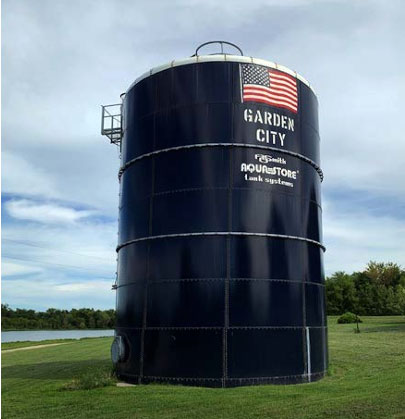
미국의 인구 3천300명 미만의 시스템에서 필요한 식수 기반 시설 투자액은 1인당 4천65달러인 반면, 대규모 시스템의 경우 1인당 1천749달러 수준이다. [사진출처(Photo source) = 트러스트 인 워터(Trust in Water)]
농촌 지역사회를 위한 지속 가능한 발전 방향
지역사회마다 처한 상황은 다르지만, 성공적인 파트너십은 모두 ‘안전하고 깨끗하며 신뢰할 수 있고 경제적인 서비스를 고객에게 지속적으로 제공한다’는 공통된 목표를 지향하고 있다.
이 보고서에서는 이러한 목표를 달성하기 위해 필요한 핵심 역량들을 제시했다. 여기에는 △인프라 현대화 및 자산 갱신을 위한 투자, △유틸리티 관리와 규제 준수에 관한 전문성, △인력 확충 및 운영 지원, 장기적인 자본 계획 수립, △고객 서비스 및 요금 부담 완화 프로그램 등이 포함되었다.
'트러스트 인 워터(Trust in Water)'는 미국 전역의 지역사회에 안전하고 깨끗하며 신뢰할 수 있고 지속 가능한 물 관련 솔루션을 제공하는 ‘신뢰할 수 있는 파트너’로서, 민간 상하수도 사업자의 역할을 알리기 위해 설립된 비영리 단체이다. 'Trust in Water'에 대한 자세한 정보는 웹사이트(www.trustinh2o.com)에서 확인하실 수 있다.
[원문보기]
Trust in Water Highlights Ways Private, Regulated Water Providers are Partnering with Small and Rural Communities
As water utilities across the country confront aging infrastructure, tightening regulations and a shrinking pool of qualified operators
Trust in Water is highlighting the findings of its white paper, Transforming Small Water Systems: How Private, Regulated Providers are Helping Small Systems Build a More Sustainable Future.
The report documents how communities in West Virginia, Missouri and Pennsylvania have stabilized failing water and wastewater systems through partnership with private, regulated providers.
The report focuses on systems serving fewer than 3,300 people, the small and rural systems that make up the overwhelming majority of the country’s water utilities.
According to the Pew Charitable Trusts, these systems account for 81 percent of public water systems in the United States and 93 percent of federal drinking water noncompliance violations.
“Small and rural communities are challenged to meet some of the highest water quality standards in history and the need to address them with the smallest budgets,” said Dr. Upendra Chivukula, senior advisor at Montclair State University’s Clean Energy and Sustainability Analytics Center, New Jersey Board of Public Utilities Commissioner Emeritus and Trust in Water Leadership Council member.
“This paper documents what happens when those communities gain access to capital and expertise to?deal with the emerging?challenges. Systems are improved, compliance is restored and residents get safe, reliable service.”
Small Systems Carry an Outsized Burden
The economics are stacked against small systems. Pew projects drinking water infrastructure needs of $4,065 per person for systems serving fewer than 3,300 people, compared with $1,749 per person for large systems. Small water systems serve roughly 7 percent of the population yet account for approximately 16 percent of total drinking water infrastructure need.
The American Water Works Association estimates drinking water systems will require between $2.1 trillion and $2.4 trillion in infrastructure investment between 2026 and 2050, with an annual funding gap of roughly $56.6 billion.
The American Society of Civil Engineers reports that more than 9 million lead service lines remain in service nationwide and identifies approximately $625 billion in drinking water infrastructure needs over a 20-year period.
Regulatory requirements continue to expand alongside those costs. EPA’s 2024 drinking water regulations established enforceable standards for PFOA and PFOS, and the agency’s Lead and Copper Rule Improvements require systems to identify and replace lead pipes within 10 years. Compliance requires significant investment.
Workforce Scarcity
Capital is only part of the challenge. The U.S. Government Accountability Office reports that many utilities have difficulty recruiting certified operators and other skilled professionals, and EPA estimates that 30 to 50 percent of the water workforce may become eligible for retirement during the coming decade.
What Partnership Has Delivered
The white paper documents case studies in three states where communities chose partnership and saw measurable results:
West Virginia: Cedar Grove’s transfer of its distribution system followed years of deferred maintenance, chronic leaks and main breaks. The partnership brought approximately $9.3 million in investment and reduced water loss by more than 90 percent.
Armstrong Public Service District, declared a distressed utility by state regulators, received more than $9 million in infrastructure investment, a new regional water supply connection, systemwide meter replacement and restored fire protection.
Missouri: Ironton voters approved the sale of the city’s water and wastewater systems for $3.7 million, bringing improved service to more than 1,400 customers, followed by more than $6 million in drinking water investment and $2.5 million in wastewater improvements.
Garden City, which had recorded 27 drinking water treatment violations between 2015 and 2021 and fallen out of Clean Water Act compliance, saw more than 67 percent of voters approve a sale in referendum. The provider has since invested $10 million in drinking water infrastructure and $2.5 million in wastewater improvements.
Pennsylvania: East Dunkard Water Authority in Greene County served roughly 1,800 customers before a major system failure in October 2023 left residents without water for several days.
During receivership, the private provider invested $2 million to repair 82 leaks, then committed $16.1 million over five years for treatment plant upgrades and water main replacements. The transition restored compliance, maintained existing rates and expanded customer assistance programs.
A Durable Path Forward for Rural Communities
Every community’s circumstances are different, but successful partnerships share a common objective: keeping safe, clean, reliable and affordable service flowing to customers.
The white paper identifies the capabilities that make that possible, including investment in infrastructure modernization and asset renewal, specialized expertise in utility management and regulatory compliance, expanded workforce and operational support, long-term capital planning, and customer service and affordability programs.
About Trust in Water
Trust in Water is a 501(c)(4) non-profit entity created to provide education about the role of private water and wastewater providers as trusted partners in delivering safe, clean, reliable, and sustainable water solutions to communities across America. For more information on Trust in Water, please visit www.trustinh2o.com.
[보고서 출처 = 트러스트 인 워터(Trust in Water)(https://trustinh2o.com/wp-content/uploads/2026/07/TIW_Small-Systems-Discussion-Paper.pdf) / 2026년 10월 6일]
 즐겨찾기 추가
 시작페이지로 설정



























