[프랑스] 수에즈, 프랑스 서부 유해·비유해 폐기물 처리시설 확장
SEDA 에코파크 운영 연장 및 시설 확장 승인…연간 20만톤 폐기물 처리능력 확보
태양광·바이오가스 활용해 연간 12GWh 전력 생산…향후 발전량 약 2배 확대 전망
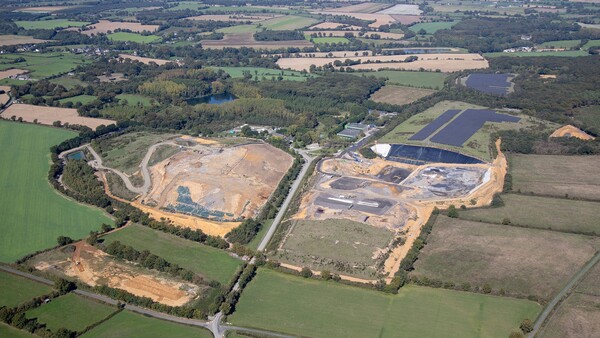
프랑스 환경서비스 기업 수에즈(SUEZ)가 프랑스 서부 멘에루아르(Maine-et-Loire)주 슈니예샹퇴세(Chenillé-Champteussé)에 위치한 SEDA 에코파크의 운영 연장 및 시설 확장 승인을 받아 유해·비유해 폐기물 처리사업을 강화한다. [사진출처(Photo Source) = SUEZ]
프랑스 환경서비스 기업 수에즈(SUEZ)가 프랑스 서부 멘에루아르(Maine-et-Loire)주 슈니예샹퇴세(Chenillé-Champteussé)에 위치한 SEDA 에코파크의 운영 연장 및 시설 확장 승인을 받아 유해·비유해 폐기물 처리사업을 강화한다.
수에즈가 1978년부터 운영해 온 SEDA 에코파크는 프랑스 「환경보호법」에 따라 관리되는 폐기물 처리시설로, 비유해 폐기물 매립, 유해 폐기물 처리·저장, 오염토양 처리·재활용, 태양광 발전 등 4개 사업을 수행하고 있다.
프랑스 당국은 지난 3월 25일 행정명령을 통해 SEDA 에코파크의 비유해 폐기물 처리시설 운영을 16년, 유해 폐기물 처리시설 운영을 27년간 연장하고 시설 확장을 승인했다. 이에 따라 지난 9월 1일 신규 비유해 폐기물 매립구역이 가동되면서 1단계 확장사업이 완료됐다.
SEDA 에코파크의 연간 폐기물 처리능력은 총 20만 톤으로, 비유해 폐기물 9만 톤과 유해 폐기물 11만 톤을 처리할 수 있다. 비유해 폐기물은 재활용센터와 하수처리장, 지역 내 경제활동에서 발생하는 폐기물 등을 포함한다.
유해 폐기물 처리 대상에는 산업활동에서 발생하는 산업슬러지와 오염토양·오염물질을 비롯해 건설·토목 분야에서 배출되는 석면, 납, 내열재, 암면 등이 포함된다. 이와 함께 폐기물 에너지화시설, 바이오매스 보일러, 고형회수연료(SRF) 시설에서 발생하는 대기오염 방지시설 잔재물과 소각재 등도 처리한다.
SEDA 에코파크는 폐기물의 안전한 처리·매립뿐 아니라 재생에너지 생산을 통해 지역 에너지 전환에도 기여하고 있다. 복원된 매립구역에 설치된 태양광 발전시설과 비유해 폐기물 매립 과정에서 발생하는 바이오가스를 활용한 발전시설을 통해 연간 약 12GWh의 재생에너지 전력을 생산하고 있다. 이는 약 8천 명의 주민이 사용할 수 있는 전력량에 해당한다.
수에즈는 기존 시설의 확장사업이 완료되면 향후 재생에너지 전력 생산량이 현재의 약 2배 수준으로 증가할 것으로 전망했다.
한편, 수에즈는 프랑스에서 연간 160만 톤의 유해 폐기물 처리능력을 보유하고 있으며, 관련 시설 확충을 통해 사업 기반을 확대하고 있다. 지난해 9월 일드프랑스(Île-de-France) 지역 빌파리지(Villeparisis) 시설의 확장 승인을 받은 데 이어 올해 3월 SEDA 에코파크의 운영 연장 및 확장 승인을 확보했다.
두 시설은 수에즈가 프랑스에서 운영하는 5개 유해 폐기물 안정화·매립시설에 포함된다. 프랑스 전역에서 이와 같은 시설은 약 12곳에 불과해 산업활동에서 발생하는 유해 폐기물의 안정적인 처리 기반을 확보하는 데 중요한 역할을 하고 있다.
미셸 뒤르메예(Michel Durrmeyer) 수에즈 프랑스 유해 폐기물 사업부 최고경영자(CEO)는 “SEDA 에코파크의 운영 연장 승인은 프랑스 서부 지역 지방자치단체와 산업계에 중요한 이정표”라며 “환경 규제가 강화되고 새로운 공중보건 문제가 대두되는 상황에서 지역의 증가하는 폐기물 처리 수요에 대응하고 필수 처리능력을 장기적으로 확보할 수 있게 됐다”고 말했다. 이어 “이번 승인은 산업 및 환경 전환을 지원하는 핵심 기반시설을 개발하고 유지하는 수에즈의 역량을 보여준다”며 “앞으로도 유해 폐기물의 안전한 처리와 지역 재생에너지 생산에 기여하겠다”고 밝혔다.
수에즈는 앞으로도 유해 폐기물 처리 기반시설을 확충하고 재생에너지 생산을 확대해 지역의 환경·에너지 전환을 지원할 계획이다.
[원문보기]
SUEZ strengthens its hazardous and non hazardous waste treatment activities in the West of France
SUEZ has obtained the authorization to extend and expand the activities of its SEDA facility in Chenillé-Champteussé (Maine-et-Loire) covering both hazardous and non-hazardous waste.
With a treatment capacity of 200,000 tonnes per year, the SEDA eco-park plays a strategic role for the safe management of waste generated by municipalities and industrial customers throughout the West of France.
By producing nearly 12 GWh of renewable electricity annually, the site also supports the region’s environmental and energy transition.
A strategic waste management facility serving local authorities and industry
Operated by SUEZ since 1978, the SEDA eco-park in Chenillé-Champteussé is a regulated facility under France’s environmental protection legislation. It brings together four complementary activities:
• Non-hazardous waste landfill operations
• Treatment and storage of hazardous waste
• Treatment and recovery of contaminated soil
A photovoltaic power plant located on restored and rehabilitated landfill areas
The new prefectural order, signed on 25 March 2026, authorizes the continuation and expansion of these activities for a period of 16 years for non-hazardous waste disposal and 27 years for hazardous waste disposal. The first phase of the site expansion was completed on 1 September 2026, with the commissioning of a new non-hazardous waste disposal cell.
With a treatment capacity of 200,000 tonnes per year, the SEDA eco-park provides an essential solution for local authorities and businesses across West of France for the management of non-hazardous waste (90,000 tonnes per year) from recycling centers, wastewater treatment plants and local economic activities.
The facility also manages hazardous waste (110,000 tonnes per year), generated by industrial activities, such as industrial sludge, contaminated soil and materials; as well as waste from the construction and civil engineering sector, such as asbestos, lead, heat-resistant materials and rock wool. In addition, it handles residues from energy from waste facilities, biomass boilers and solid recovered fuel (SRF) plants, including air pollution residues and ashes.
Supporting the region’s energy transition
Beyond the treatment and safe containment of residual waste, the SEDA eco-park contributes to local production of renewable energy. Through its photovoltaic plant and its recovering energy unit that converts biogas generated by non-hazardous waste disposal into electricity, the site produces nearly 12 GWh of renewable electricity annually, enough to meet the needs of approximately 8,000 residents. The planned expansion of the existing facilities will enable renewable electricity generation to almost double in the coming years.
A new milestone in the growth of SUEZ’s hazardous waste business in France
Against a backdrop of increasingly stringent environmental regulations and growing public health concerns, hazardous waste treatment facilities play a strategic role in ensuring the continuity of industrial activity in France and providing a secured disposal route for residual waste from local authorities.
As a long-established player in France’s hazardous waste treatment sector, with an annual treatment capacity of 1.6 million tonnes, SUEZ continues to expand its national footprint. This includes the approval granted in March 2026 to extend the SEDA eco-park in Western France, as well as the authorization to expand the Villeparisis facility in the Île-de-France region in September 2025. These two sites are among the five hazardous waste stabilization and storage facilities operated by SUEZ in France, a country with only around a dozen facilities of this kind.
"The authorisation to continue operations at the SEDA eco-park marks a major milestone for local authorities and industrial businesses across Western France. It enables us to secure essential waste treatment capacity over the long term, meeting the growing needs of the region as environmental requirements become more stringent, and new public health challenges emerge. This authorization also demonstrates SUEZ’s ability to develop and maintain critical infrastructure for hazardous waste treatment, a strategic market to support the industrial and environmental transformation of local economies. At the same time, it allows us to continue contributing to the generation of local renewable energy."
Michel Durrmeyer, CEO of SUEZ’s hazardous waste operations in France
[출처 = 수에즈(SUEZ)(https://www.suez.com/en/news/press-releases/suez-strengthens-hazardous-non-hazardous-waste-treatment-activities-west-france) / 2026년 10월 22일]
 즐겨찾기 추가
 시작페이지로 설정



























