[세계시장조사보고서] “PFAS 규제로 미국 바이오솔리드 시장 2035년까지 48억달러 전망”
과불화화합물(PFAS) 관심 높아지면서 하수처리 시설들이 바이오솔리드 관리·처리에 대한 불확실성 커져
현재 미국 연방 차원의 바이오솔리드에 대한 PFAS 기준이 없어
일부 주, 토양에 적용되는 바이오솔리드 내 PFAS에 대한 새로운 규제 시행
글로벌 시장조사기관 블루필드 리서치, ‘미국 지자체 바이오솔리드의 PFAS 관리 : 변화하는 규제 환경’ 보고서서 예측
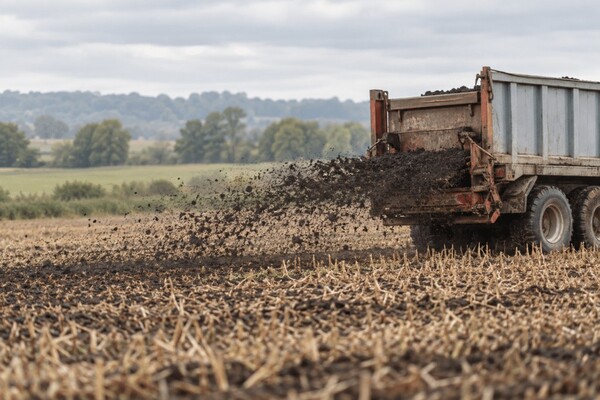
세계적인 물 시장 데이터 및 분석 기관인 블루필드 리서치(Bluefield Research) 최근 보고서에 따르면, 미국의 지방자치단체 바이오솔리드(Biosolids) 관리 시장은 2035년까지 48억 달러(6조 4,008억 원)에 이를 것으로 예상지만 과불화화합물(PFAS)에 대한 관심이 높아지면서 하수처리 시설들이 바이오솔리드(Biosolids)를 어떻게 관리하고 처리할 지에 대한 불확실성이 커지고 있다. [사진출처(Photo source) = 블루필드 리서치(Bluefield Research)]
세계적인 물 시장 데이터 및 분석 기관인 미국 보스턴에 있는 블루필드 리서치는 ‘지방자치단체 바이오솔리드의 PFAS 관리 : 변화하는 규제 환경(PFAS Management of Municipal Biosolids : A Shifting Regulatory Landscape)’라는 새로운 보고서를 10월 19일 발표했다. 이 보고서의 내용을 요약했다. [번역 및 정리 = 배철민 편집국장 겸 글로벌물산업정보센터장]
미국의 지방자치단체 바이오솔리드(Biosolids) 관리 시장은 2035년까지 48억 달러(6조4천8억 원)에 이를 것으로 예상된다. 하지만 과불화화합물(per- and polyfluoroalkyl substances, PFAS)에 대한 관심이 높아지면서 하수 처리 시설들이 바이오솔리드를 어떻게 관리하고 처리할 지에 대한 불확실성이 커지고 있다.
바이오솔리드는 하수처리장에서 발생하는 슬러지(Sewage Sludge)를 처리하여 얻는 영양분이 풍부한 유기성 물질을 의미한다. 처리된 바이오솔리드는 비료나 토양 개량제로 사용되어 농경지, 숲, 광산 부지 등의 토양을 개선하는 데 활용된다.
현재 미국 연방 차원의 바이오솔리드에 대한 PFAS 기준이 없기 때문에, 몇몇 주에서 자체 규칙을 만들고 있어 산업 전반에 걸쳐 자금이 어디에 어떻게 쓰이는지에 영향을 미치는 복잡한 규제 체계가 형성되고 있다.
블루필드 리서치(Bluefield Research)의 팻 번(Pat Byrne) 애널리스트는 “미국의 전통적인 바이오솔리드 관리 방식인 매립과 토양 살포는 점점 더 큰 압박을 받고 있다”라면서 “생물 고형물 내 PFAS에 대한 대중의 인식이 높아지고, 식수 기준이 강화되며, 주 차원의 규제 활동이 확대되면서 기존 관리 방식에 대한 감시가 강화되고 있다”고 말했다.
블루필드 리서치의 새로운 보고서 ‘지방자치단체 바이오솔리드의 PFAS 관리 : 변화하는 규제 환경(PFAS Management of Municipal Biosolids: A Shifting Regulatory Landscape)’은 정책과 경제적 변화가 지역 의사결정에 어떤 영향을 미치는지에 대해 살펴보고 있다. 즉, PFAS 문제의 등장으로 인해 10년 전에는 예상하지 못했던 비용과 복잡성이 증가하고 있다고 분석했다.
[그림 1] 바이오솔리드 내 PFAS의 주 규제 경로
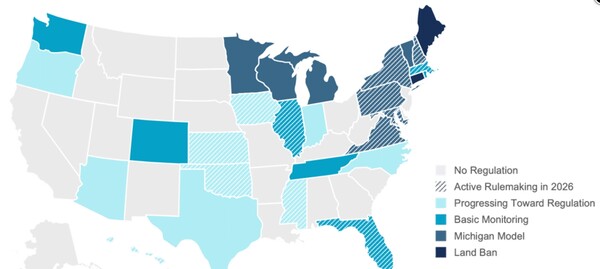
※자료 출처 = 애리조나, 플로리다, 오리건, 뉴욕 주 의회, 레지스캔, 국립 농업법 센터, 노스캐롤라이나 환경품질부, 워싱턴 주 생태학부, [그림출처(picture source) = 블루필드 리서치(Bluefield Research)]
미국 정부, 하수 슬러지 PFAS 관리에 각기 다른 접근 방식 취해
각 주에서는 토지 살포용 바이오솔리드 내 PFAS 문제에 대해 세 가지 주요 접근법을 추진하고 있다. 바로 모니터링 의무화, 농도 기반 규제(즉, 단계별 의무화), 그리고 토지 살포 전면 금지이다. 하지만 변화의 속도는 전국적으로 여전히 고르지 않다.
22개 주에서는 PFAS 바이오솔리드에 대한 규제가 없거나 명확한 규제 방향으로 나아가지 않고 있으며, 기존 규제 체계를 가진 주들은 시험 방법, 농도 한계, 토지 적용 제한 등에서 차이를 보이고 있다. 이러한 차이점들은 주 경계를 넘나들며 운영하는 전력 회사와 서비스 제공자들에게 규제 준수상의 어려움을 초래한다.
2026년에는 매사추세츠(Massachusetts), 뉴욕(New York), 하와이(Hawaii)에서 금지안이 제안되었으나 진전되지 못했고, 메릴랜드(Maryland), 버지니아(Virginia), 뉴햄프셔(New Hampshire), 펜실베이니아(Pennsylvania)에서는 단계별 제한 모델이 통과되었다.
단계적 접근법은 일반적으로 낮은 농도에서는 토양 적용을 허용하되, 농도가 높아질수록 더 엄격한 기준을 적용한다. 이러한 모델을 도입한 주들 중에서는 초기 제한 기준이 보통 20ppb(parts per billion, 10억분의 일)에서 25ppb 사이로 시작하는 경우가 많다.
팻 번(Pat Byrne) 애널리스트는 “미국 절반이 넘는 주의 입법부와 행정 기관들이 토양에 적용되는 바이오솔리드 내 PFAS에 대한 새로운 규제를 시행했거나 진지하게 검토 중인 것으로 보인다”라면서 “이는 해당 분야에서 보기 드문 수준의 규제 활동을 의미한다”라고 말했다.
PFAS 규제로 인해 규정 준수 및 처리 비용 지출 증가
특히, 규제 불확실성은 공공상하수도회사들(Utilities)이 자본 및 운영 지출을 계획하고 예산을 편성하는 데 큰 어려움을 주고 있다. 블루필드의 분석에 따르면, 폐기물 처리비용을 관리하고 다양한 관리 방안을 유지하는 데 도움이 되는 검사, 오염원 통제, 탈수 및 운반 서비스에 대한 수요가 증가하고 있다.
팻 번(Pat Byrne) 애널리스트는 “단계적 규제는 전면 금지보다 실용적인 대안이 될 수 있지만, 검사, 규정 준수 지원, 그리고 PFAS가 하수 시스템에 유입되는 것을 막기 위한 조치에 대한 필요성과 비용을 증가시킨다”고 강조했다.
비용이 저렴하고 규제가 덜 엄격한 주의 처리 시설에 접근할 수 있는 대형 바이오솔리드 관리 업체들이 유리한 위치에 있다. 하지만, 주별 요구사항 차이로 인해 준수 비용과 복잡성이 증가해 일부 경쟁 우위가 상쇄될 수 있다.
향후 지출 방향은 각 주에서 규정을 어떻게 설정하는지에 크게 달려 있다. 즉, 하수처리장이 토지 살포 방식을 계속 사용할 수 있을지, 아니면 다른 처리 방법을 찾아야 할 지에 따라 결정된다.
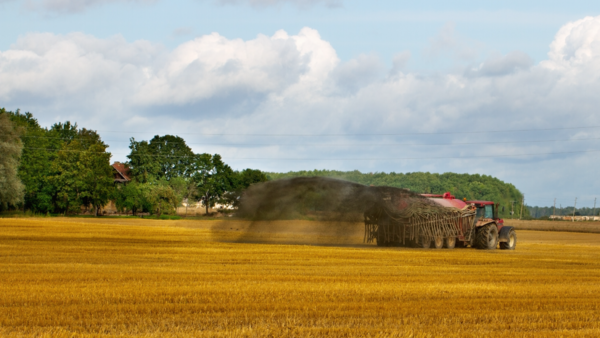
블루필드 리서치(Bluefield Research)의 팻 번(Pat Byrne) 애널리스트는 “바이오솔리드에 대한 PFAS 규제가 토양 살포를 없애거나 지방자치단체의 생물 고형물 관리 방식을 단기간에 완전히 바꾸지는 않는다는 점을 인식하는 것이 중요하지만, 토지 이용이 일부 공공시설에 대해 더 제한적이고 비용이 많이 들 수 있지만, 당분간 중요한 관리 수단으로 남을 가능성이 높다”고 말했다. [사진출처(Photo source) = 링크드인(LinkedIn)]
토양 살포가 여전히 주요 처리 방식
점점 더 많은 비판에도 불구하고, 토양 살포는 영양분과 유기물을 재활용하면서 비교적 저비용으로 물질을 관리할 수 있기 때문에 미국의 생물 고형물 관리에서 여전히 핵심적인 역할을 하고 있다. 현재 이 방식을 대규모로 대체할 수 있는 대안은 없다.
매립은 슬러지의 수분 함량과 매립지 처리비용 등의 제약을 받으며, 소각 용량 역시 제한적이다. 미국의 하수처리장 중 슬러지 소각로를 운영하는 곳은 56곳에 불과하며, 주로 북동부와 중서부에 집중되어 있다. 열분해와 가스화 같은 신기술이 대안으로 떠오르고 있지만, 비용이 많이 들고 아직까지 바이오슬러지 관리에 널리 상용화되지는 못했다.
팻 번(Pat Byrne) 애널리스트는 “PFAS 규제가 토양 살포를 없애거나 지방 자치단체의 생물 고형물 관리 방식을 단기간에 완전히 바꾸지는 않는다는 점을 인식하는 것이 중요하다”라면서 “토지 이용이 일부 공공시설에 대해 더 제한적이고 비용이 많이 들 수 있지만, 당분간 중요한 관리 수단으로 남을 가능성이 높다”고 말했다.
각 주(州) 정부가 하수처리 과정에서 흔히 간과되던 이 영역에 대한 접근 방식을 다듬어 나감에 따라, 공공사업자와 서비스 제공업체들은 규제 준수 비용과 가용한 폐기 방식의 경제성 사이에서 균형을 찾아야 할 것이다.
단기적인 시장 기회는 전면적인 변화보다는 상수도 사업자가 PFAS 위험을 관리하고, 비용을 통제하며, 유연성을 유지할 수 있도록 지원하는 데 집중될 것으로 예상된다.
미국 보스턴에 있는 세계적인 물 시장 데이터 및 분석 기관인 블루필드 리서치(https://www.bluefieldresearch.com/)는 인프라, 정책, 기술 분야를 아우르며 지방자치단체와 산업 부문의 글로벌 물 시장에 관한 데이터, 분석, 통찰력을 제공하고 있다.
[원문보기]
U.S. Biosolids Market to Reach US$4.8 Billion by 2035 as PFAS Regulation Reshapes Spending
19 October 2026, Boston, Massachusetts : The U.S. municipal biosolids management market is projected to reach US$4.8 billion by 2035, even as growing scrutiny of per- and polyfluoroalkyl substances (PFAS) creates uncertainty over how wastewater utilities will manage and dispose of biosolids.
With no federal PFAS standard for biosolids currently in place, a handful of states are developing their own rules, creating a patchwork of requirements that affects where and how money is spent across the industry.
“The traditional models for biosolids management in the U.S., including landfilling and landspreading, are under increasing pressure. Growing public awareness of PFAS in biosolids, increasingly stringent drinking water standards, and state-level regulatory activity are bringing greater scrutiny to conventional management practices,” says Pat Byrne, an analyst at Bluefield Research.
Bluefield Research’s new report, PFAS Management of Municipal Biosolids: A Shifting Regulatory Landscape, examines how policy and economic shifts are influencing local decisions. The emergence of PFAS concerns is adding cost and complexity that was unforeseen a decade ago.
States Take Different Approaches to PFAS in Biosolids
States are pursuing three main approaches to PFAS in land-applied biosolids: monitoring requirements, concentration-based restrictions (i.e., tier-based mandates), and outright bans on land application. However, the pace of change remains uneven across the nation.
Twenty-two states have no PFAS biosolids regulation or clear movement toward one, while states with existing frameworks differ in their testing methods, concentration limits, and land-application restrictions. These differences create compliance challenges for utilities and service providers operating across state lines.
In 2026, Massachusetts, New York, and Hawaii proposed bans that failed to advance, while tiered restriction models passed in Maryland, Virginia, New Hampshire, and Pennsylvania.
Tiered approaches generally allow land application at lower PFAS concentrations while imposing tighter requirements as concentrations rise. Among states that have adopted these models, initial restrictions often begin at concentrations of 20 parts per billion (ppb) to 25 ppb.
“Legislatures and executive agencies in more than half of U.S. states have implemented or appear to be seriously considering new regulations for PFAS in land-applied biosolids,” says Byrne. “This represents an unusual level of regulatory activity for the sector.”
PFAS Regulation Shifts Spending Toward Compliance and Disposal
Regulatory uncertainty presents significant challenges as utilities plan and budget for capital and operating expenditures. Bluefield’s analysis points to growing demand for testing, source control, dewatering, and hauling services that help utilities manage disposal costs and preserve multiple management options.
“Tiered restrictions may offer a more practical alternative to blanket bans, but they also heighten the need and cost for testing, compliance support, and measures to limit PFAS from entering wastewater systems,” says Byrne.
Larger biosolids management firms with access to disposal sites in lower-cost, less-restrictive states are at an advantage. However, differences in state requirements add compliance costs and complexity that could offset some of the competitive advantages.
The direction of future spending depends largely on how states set their rules?whether utilities can continue using land application or must turn to alternative disposal methods.
Land Application Remains the Dominant Pathway
Despite growing scrutiny, land application remains a central part of U.S. biosolids management because it provides a relatively low-cost way to manage material while recycling nutrients and organic matter. There are currently no alternatives positioned to replace this practice at scale.
Landfilling is subject to constraints around material moisture and landfill tipping fees, while incineration capacity is also limited. Only 56 U.S. wastewater treatment plants operate sludge incinerators, concentrated largely in the Northeast and Midwest. Emerging technologies such as pyrolysis and gasification offer potential alternatives, but remain expensive and have yet to achieve broad commercial adoption for biosolids management.
“It is important to recognize that PFAS regulations are not eliminating land application or causing an overnight transformation of municipal biosolids management,” says Byrne. “Land application may become more restricted and costly for some utilities, but it is likely to remain an important management pathway for the foreseeable future.”
As states refine their approaches to this often overlooked part of wastewater treatment, utilities and service providers will need to balance compliance costs with the economics of available disposal options. The near-term market opportunity will center on helping utilities manage PFAS risks, control costs, and maintain flexibility rather than pursue outright changes.
About Bluefield Research
Bluefield Research provides data, analysis, and insights on global water markets, covering the municipal and industrial sectors across infrastructure, policy, and technology. As a leading provider of water market intelligence, Bluefield helps strategic decision-makers understand where the water market is going and why.
This Insight Report, PFAS Management of Municipal Biosolids: A Shifting Regulatory Landscape, examines the structure and market effects of PFAS-related regulations and associated trends that are reshaping municipal biosolids management in the U.S. The full report is available for purchase and immediate download on Bluefield’s website.
[출처 = 블루필드 리서치(Bluefield Research)(https://www.bluefieldresearch.com/ns/u-s-biosolids-market-to-reach-us4-8-billion-by-2035-as-pfas-regulation-reshapes-spending/) / 2026년 10월 19일]
 즐겨찾기 추가
 시작페이지로 설정



























