[미국] 텍사스대, 담수화 기술로 고염도 폐수 처리해 데이터센터 냉각수 활용 가능성 시사
텍사스 석유·가스 산업의 막대한 폐수 데이터센터 냉각수로 전환할 수 있는 현실적 대안 제시
데이터센터 수자원 부담 평가 위한 SWUI 지표 개발…담수화 전략별 환경 영향 비교·분석 활용
정책 입안자 및 기업의 의사결정 지원할 객관적 분석 소프트웨어 개발 중
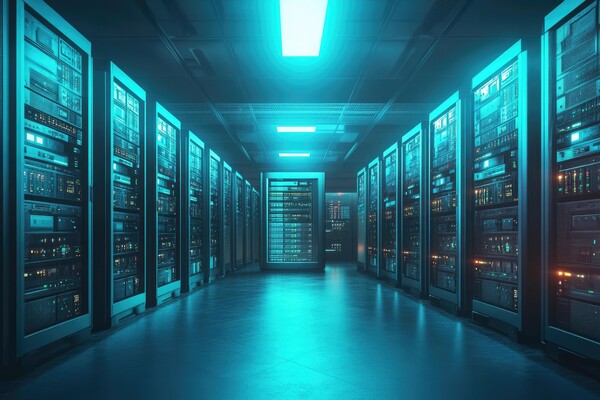
미국 텍사스 대학교 오스틴 캠퍼스(UT Austin) 연구진은 물에서 염분을 제거하는 담수화 기술을 활용해 석유·가스 산업 등에서 발생하는 고염도 또는 오염 폐수를 처리한 뒤 데이터센터 냉각수로 재이용할 수 있다는 연구 결과를 발표했다. [사진출처(Photo source) = Pixabay]
미국 텍사스 대학교 오스틴 캠퍼스(UT Austin) 연구진은 물에서 염분을 제거하는 담수화 기술을 활용해 석유·가스 산업 등에서 발생하는 고염도 또는 오염 폐수를 처리한 뒤 데이터센터 냉각수로 재이용할 수 있다는 연구 결과를 발표했다.
연구진은 이 같은 방법이 지역 담수 자원에 대한 의존도를 낮출 수 있는 대안이 될 수 있다고 평가했다. 또한 데이터센터가 해당 기술을 도입하는 방안을 검토하고, 처리 기술의 선택이 비용과 환경에 미치는 영향도 분석했다.
최근 학술지 '워터 리서치(Water Research)'에 발표된 이 연구를 주도한 바이바브 바하두르(Vaibhav Bahadur) 코크렐 공과대학(Cockrell School of Engineering) 기계공학과 교수는 "우리는 이 문제를 해결해 줄 혁신 기술이 등장하기만을 기다리고 있는 것이 아니다”라며 "이미 보유한 기술만으로도 문제의 일부를 해결할 수 있으며, 다만 그에 따른 비용이 발생할 뿐”이라고 말했다.

이번 연구를 주도한 바이바브 바하두르(Vaibhav Bahadur) 텍사스대 코크렐 공과대학(Cockrell School of Engineering) 기계공학과 교수. [사진제공(Photo source) = University of Texas at Austin]
물에서 염분을 분리하는 방법은 크게 막을 이용하는 역삼투압(RO) 방식과 열을 이용하는 방식으로 나뉜다. 역삼투압 방식은 에너지 효율이 높지만 해수보다 염분 농도가 높은 물을 처리하는 데는 한계가 있다.
반면 열을 이용해 물을 증기로 바꾼 뒤 다시 담수로 응축시키는 방식은 염분 농도가 매우 높은 물에도 효과적이다. 그러나 훨씬 많은 에너지를 소비하며, 장비에 스케일(침전물)이 쌓이는 문제가 발생할 수 있다.
연구진에 따르면, 가장 에너지 소비가 많은 수처리 방식을 적용하더라도 이는 데이터센터 전체 에너지 사용량에서 차지하는 비중은 매우 작다. 데이터센터는 물사용 효율을 높여 지역 수자원에 가해지는 부담을 완화하면서도 전체 비용이나 에너지 수요를 크게 늘리지 않을 수 있다고 설명했다.
연구진은 텍사스 지역 데이터센터에 이러한 물을 공급할 수 있는 현실적인 파트너로 석유·가스 산업을 지목했다.
바하두르 교수는 "퍼미안 분지(Permian Basin)에서는 매일 올림픽 규격 수영장 1천200개를 채울 수 있는 양의 폐수가 발생하고 있으며, 현재 이 물은 장거리 운송 후 지하로 주입되고 있다”며 "이는 지진 활동을 유발할 위험이 있는 등 여러 문제를 야기한다”고 말했다.
이어 “이르면 2030년에는 해당 폐수를 처분할 공간도 부족해질 것으로 예상된다”며 “따라서 이를 활용할 방법을 찾아야 하며, 정화 과정을 거쳐 데이터센터용 냉각수로 사용하는 것은 매우 효과적인 대안이 될 수 있다”고 강조했다.
이번 연구는 데이터센터의 환경 영향에 대한 우려가 커지는 가운데 발표됐다. 지난 9월 그렉 애벗(Greg Abbott) 텍사스 주지사는 데이터센터가 지역사회에 미치는 영향을 추가로 평가하기 위해 신규 데이터센터 설립 허가를 일시 중단하도록 지시했다. 최근에는 텍사스주 법무장관실이 기존 데이터센터의 물사용 실태에 대한 조사에 착수한다고 발표하기도 했다.
연구진은 데이터센터가 지역 수자원에 미치는 부담을 정량적으로 평가하기 위해 ‘염수 활용 집약도(Saline Water Utilization Intensity, SWUI)’라는 새로운 지표를 개발했다. 이 지표는 서로 다른 담수화 전략이 환경에 미치는 영향을 비교·평가하는 데 활용된다.
논문에서 분석한 세 가지 데이터센터 시나리오 가운데 텍사스주 롱뷰(Longview) 프로젝트가 SWUI 지표상 지역 수자원에 가장 적은 부담을 주는 것으로 나타났다. 이 프로젝트는 염분이 섞인 지하수(기수)를 활용해 2단계 역삼투압 공정으로 정화하는 방식으로, 비교적 낮은 비용과 에너지 사용량으로 높은 수준의 담수 회수율을 달성할 수 있는 것으로 분석됐다.
이번 연구는 바하두르 교수와 텍사스대 잭슨 지구과학대학(Jackson School of Geosciences) 산하 경제지질학국(Bureau of Economic Geology)의 COMPASS 컨소시엄이 추진하는 보다 광범위한 활동의 일환이다. 연구진은 일반 대중과 정책 입안자, 데이터센터 기업 등 다양한 이해관계자에게 객관적인 정보를 제공하는 것을 목표로 하고 있다.
이를 위해 연구진은 담수화 프로젝트 분석에 활용한 방식과 유사한 소프트웨어를 개발하고 있다. 이 소프트웨어는 개별 데이터센터 프로젝트의 물사용과 환경 영향을 분석해 허가 여부를 결정하는 공무원들이 보다 객관적인 근거를 바탕으로 의사결정을 내릴 수 있도록 지원하게 된다.
바하두르 교수와 COMPASS의 컴소시엄의 연구원인 닝 린(Ning Lin)은 최근 텍사스주 상원 수자원·농업·농촌문제위원회(Committee on Water, Agriculture, and Rural Affairs)에 출석해 데이터센터의 물사용과 관련된 연구 결과를 발표했다.
경제지질학국의 수석 경제학자인 린은 “지역 공무원들은 데이터센터와 관련된 중요한 결정을 내릴 때 물사용량과 전력 소비 등 핵심 요소에 대한 객관적인 분석 자료 없이 판단해야 하는 경우가 많다”며 “우리는 의사결정권자들이 지역사회를 보호하고 동시에 지역 발전에 도움이 되는 결정을 내릴 수 있도록 필요한 분석 도구를 제공할 수 있기를 희망한다”고 밝혔다.
[원문보기]
Can Salty, Dirty Water Cool Data Centers?
Some data centers are already considering using desalination to get fresh water for cooling, according to new research.
Data centers need water. And water byproducts from oil and gas and other industries need to go somewhere.
These two dynamics could be a match made in resource-sharing heaven, according to new research. Researchers from The University of Texas at Austin found that desalination technology—a process for separating salt from water—is a strong candidate to treat salty or contaminated water to help data centers’ cooling needs, reducing pressure on local water supplies. They examined how several data centers could do this and looked at how treatment choice influences cost and environmental impact.
“We’re not waiting for a futuristic technology to come along and solve this problem for us,” said Vaibhav Bahadur, a professor in the Cockrell School of Engineering’s Walker Department of Mechanical Engineering and one of the leaders of the research published recently in Water Research. “We can solve parts of this problem with the technology we already have; there’s just a cost to it.”
There are two main ways to separate salt from water: membranes (reverse osmosis) or heat. Membranes are more energy-efficient but struggle with water saltier than seawater. Using heat to turn water into vapor and then condense it back into freshwater works well for very salty water. But, it uses much more energy and is hampered by scaling of equipment.
Even the most energy-intensive water treatment uses a small fraction of a data center’s total energy footprint, the researchers say. Data centers can become more efficient in their water usage, reducing stress on local water resources without drastically increasing costs or overall energy demand.
A logical partner for supplying produced water for data centers in Texas is already right here, the researchers say: the oil and gas industry.
“The Permian (Basin) puts out 1,200 Olympic-sized swimming pools per day, and right now this water is transported over long distances and injected underground. This is problematic in many ways including the risk of seismic activity” Bahadur said. “We’re also running out of space to bury that water, by as early as 2030. We need to find a way to use it, and cleaning it up for data centers is a great way to do that.”
The new research comes amid scrutiny of data center environmental impacts. In September, Texas Gov. Greg Abbott ordered a pause on new data center permits to further evaluate their impacts on local communities. Most recently, the Texas Attorney General’s office announced a probe into water use of existing data centers.
To quantify local water stress from data centers, the researchers developed a new metric called Saline Water Utilization Intensity (SWUI). This metric helps show how different desalination strategies affect the environment.
Of three data center scenarios studied in the paper, a project in Longview, TX achieved the lowest stress levels on local water sources, per the SWUI metric. It would use brackish groundwater and clean it using two-stage reverse osmosis, achieving high levels of freshwater recovery at low cost and relatively low energy use.
This is part of a larger effort from Bahadur and his colleagues at the UT Jackson School of Geosciences Bureau of Economic Geology’s COMPASS consortium to educate all stakeholders in the data center debate: the general public, elected officials and data center companies. They’re developing software to analyze individual projects, similar to the way the researchers did with desalination efforts, to give officials more insight into the impacts of data centers as they make important permitting decisions.
Bahadur and his COMPASS colleague Ning Lin recently testified before the Texas Senate’s Committee on Water, Agriculture, and Rural Affairs to share their research on the water aspects of data centers.
“As they’re making important decisions about data centers, local officials often have no objective analysis of water, power usage and other important factors,” said Lin, the Bureau of Economic Geology’s chief economist. “We hope to give decision-makers the tools they need to protect and benefit their communities.”
[출처 = 미국 텍사스 대학교 오스틴 캠퍼스(University of Texas at Austin)(https://cockrell.utexas.edu/news/can-salty-dirty-water-cool-data-centers/) / 2026년 10월 8일]
 즐겨찾기 추가
 시작페이지로 설정



























