[미국] 해외 물 전문가 제언, “저압 RO 기술, 지자체 정수처리 비용 절감”
첨단 막 기술, 에너지 소비 절감 및 식수 공급·물 재이용 확대에 도움
저압 RO, 운영비용 절감·물 재이용 사업 경제성 향상
수도요금 크게 인상하지 않고 지속가능한 해결책 모색하는 중소 규모 지자체에 매우 적합
분산형 물 및 하·폐수 처리 솔루션의 선두주자인 미국 플루언스 코퍼레이션(Fluence Corporation)의 공공 용수시스템 프로젝트와 물 사용량 감축 및 물 재이용 프로젝트 전문가인 재러드 갤리건(Jared Galligan, P.E.)는 ‘저압 역삼투압 기술이 어떻게 지자체의 정수처리 비용을 절감하는가(How Low-Pressure Reverse Osmosis Lowers Municipal Treatment Costs)’라는 컬럼을 플루언스 블로그에 7월 1일 게재했다. 그 내용을 소개한다.
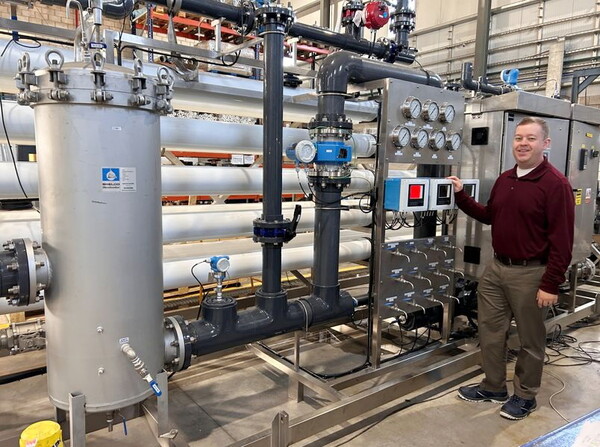
미국 플루언스(Fluence)의 재러드 갤리건(Jared Galligan) 산업용수 전문가는 ‘저압 역삼투압 기술이 어떻게 지자체의 정수처리 비용을 절감하는가(How Low-Pressure Reverse Osmosis Lowers Municipal Treatment Costs)’라는 컬럼에서 “도시와 수도 당국의 경우 저압 RO 기술을 사용하면 더 많은 수원을 활용할 수 있어 물안보를 높일 수 있다”고 밝혔다. [사진출처(Photo source) = 플루언스(Fluence)]
전 세계적으로 많은 지자체가 안정적인 물 공급을 확보하는 동시에 운영비용을 관리해야 하는 압박에 직면하고 있다. 인구 증가, 노후화된 기반 시설, 가뭄, 그리고 더욱 엄격해진 수질 기준은 지자체가 제한된 자원으로 더 많은 깨끗한 물을 생산하도록 강요하고 있다.
역삼투압(RO)은 고품질 식수를 생산하고 물 재사용을 가능하게 하는 검증된 해결책으로 자리 잡았다. 오늘날 저압 역삼투막(Low-Pressure Reverse Osmosis, 이하 ‘저압 RO’) 기술의 발전은 지자체가 에너지 소비와 운영비용을 절감하면서 이러한 목표를 달성하는 데 도움을 주고 있다.
역삼투압(RO)이 중요한 이유
RO는 물에서 용해된 염분, 용해된 오염물질 및 기타 여러 용해된 불순물을 제거하는 데 사용할 수 있는 가장 효과적인 처리 기술 중 하나이다. 지자체 상수도는 염수 지하수 처리 및 해수담수화에서부터 고도화된 하·폐수 재이용에 이르기까지 다양한 용도로 RO를 사용한다.
물 부족 문제가 심화됨에 따라 많은 지자체는 안정적인 지역 수원 확보를 위해 재이용 프로그램에도 관심을 기울이고 있다. RO를 포함한 고도처리 공정은 관개, 산업용수, 지하수 충전, 그리고 식수 재이용을 위한 고도 처리 시스템에 적합한 물을 생산할 수 있다.
저압 RO 작동 원리
저압 RO는 특수 설계된 막을 사용하여 기존 RO 시스템보다 낮은 공급수 압력에서 높은 오염물질 제거율을 달성한다. 공급수 수질이 적절할 경우, 처리된 물의 수질을 저하시키지 않으면서 처리 공정을 통해 물을 이동시키는 데 필요한 펌핑 에너지가 줄어든다.
모든 용도에 저압 운전이 적합한 것은 아니다. 공급수 특성, 처리 목표, 시스템 설계 모두 낮은 운전 압력을 달성할 수 있는지 여부에 영향을 미친다. 하지만 조건이 유리할 경우, 저압 RO는 지자체에 안정적인 처리 성능을 유지하면서 에너지 소비를 줄일 수 있는 기회를 제공한다.
저압 RO의 장점
에너지 소비는 오랫동안 막 처리와 관련된 가장 큰 운영비용 중 하나였다. 적절한 수원과 막 설계 기술의 발전으로 이제 많은 저압 RO 시스템이 낮은 압력에서도 높은 오염물질 제거율을 달성할 수 있게 되었다. 수질과 원수 조건이 허락한다면, 우수한 수질을 유지하면서 처리수 생산에 필요한 에너지를 절감할 수 있다.
지자체 입장에서는 낮은 운전 압력은 △에너지 소비 감소 △운영비용 절감 △막 수명 연장 △시스템 효율 향상 △물 재이용 사업의 경제성 향상 등의 이점이 있다. 특히 수도요금을 크게 인상하지 않고 지속 가능한 해결책을 모색하는 중소 규모 지자체에 매우 중요하다.
지자체 물 재이용 지원
물 재이용은 더 이상 단순한 지속 가능성 계획이 아니다. 장기적인 물 안보를 위한 중요한 요소가 되고 있다. 처리된 하·폐수는 관개, 산업 공정, 지하수 충전 및 기타 지자체 용도에 사용할 수 있는 안정적인 자원으로 전환될 수 있다.
적절한 생물학적 처리와 저압 RO를 결합함으로써 지자체는 운영비용을 최소화하면서 고품질의 재이용수를 생산할 수 있다. 이러한 접근 방식은 지역 사회가 기존 수자원의 가치를 극대화하는 동시에 전통적인 담수 공급원에 대한 의존도를 줄이는 데 도움이 된다.
효율성과 신뢰성을 위한 설계
최신 RO 시스템은 고급 제어, 최적화된 전처리 및 에너지 절약 기술을 통합하여 성능을 향상시키고 유지보수 요구사항을 줄인다. STS(스테인리스 스틸) 스키드 구조 및 고효율 막 구성과 같은 기능은 상수도 사업자가 안정적인 장기 운영을 달성할 수 있도록 지원한다.
컨테이너형 및 모듈형 처리 시스템은 설치를 더욱 간소화하여 지역사회가 수요 증가에 따라 용량을 확장하는 동시에 초기 인프라 비용을 최소화할 수 있도록 한다. 예를 들어, 미국 플로리다의 한 지자체 식수 프로젝트에서는 용존 고형물과 경도가 높은 지하수를 처리하기 위해 컨테이너형 스키드 장착 RO 시스템을 사용했다.
이 시스템은 엄격한 수질 기준을 충족하는 식수를 꾸준히 생산하는 동시에 막 용량을 간단히 추가하여 향후 성장에 대비할 수 있는 확장 가능한 설계를 제공한다. 통합된 현장 세척(CIP, Clean-In-Place) 기능은 유지보수를 간소화하고 막의 장기적인 성능을 지원한다.
물 공급 안정성 강화
지자체들이 지속 가능한 물 공급을 확보하기 위해 노력하는 가운데, 저압 RO는 식수 생산과 물 재이용 모두에 실용적인 해결책을 제시한다. 탁월한 처리 성능을 유지하면서 에너지 소비를 줄임으로써, 이러한 시스템은 상수도 시설의 물 부족 문제 해결, 운영비용 절감, 그리고 장기적인 안정성 향상에 기여할 수 있다.
난해한 지하수 처리, 식수 생산 지원, 또는 물 재이용 사업 확대 등 어떤 상황에서든 저압 역삼투압은 지자체가 안전하고 안정적인 물을 공급하는 동시에 모든 가용 자원을 최대한 활용할 수 있도록 지원한다. 물 한 방울도 낭비하지 않고 최대한 활용하고자 하는 지역사회에 저압 역삼투압은 오늘날 가장 실용적인 장기 투자 중 하나가 될 수 있다.
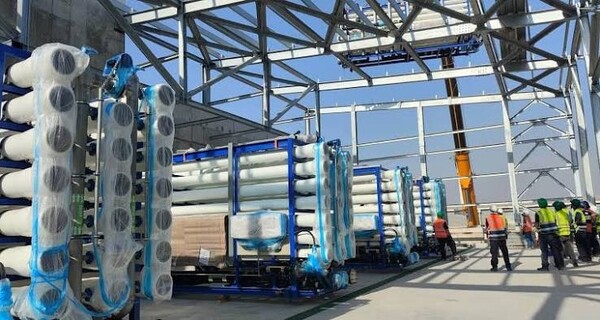
지방자치단체 저압 역삼투압 기술을 사용하면 에너지 소비 감소, 운영비용 절감, 막 수명 연장, 시스템 효율 향상, 물 재이용 사업의 경제성 향상 등의 이점이 있다. 특히 수도요금을 크게 인상하지 않고 지속 가능한 해결책을 모색하는 중소 규모 지자체에 매우 중요하다. [사진출처(Photo source) = 플루언스(Fluence)]
[Q & A]
저압 RO란 무엇인가?
저압 RO은 기존 RO 시스템보다 낮은 공급 압력에서 작동하면서도 높은 오염물질 제거율을 달성하는 특수 막을 사용한다. 수질이 허용하는 경우, 이 방식은 우수한 처리 성능을 유지하면서 에너지 소비를 줄일 수 있다.
저압 RO는 어떻게 에너지 비용을 절감하나?
원수 조건이 허용하는 경우, 시스템이 낮은 압력에서 작동하기 때문에 막을 통해 물을 펌핑하는 데 필요한 에너지가 줄어든다. 따라서 고품질의 처리수를 계속 생산하면서도 운영 비용을 절감할 수 있다.
저압 RO는 물 재이용에 사용할 수 있나?
네. 저압 RO는 고급 물 재이용 처리 시스템에 통합되어 관개, 산업 공정, 지하수 충전, 그리고 경우에 따라 식수 재이용을 위한 고품질 재이용수를 생산하는 데 도움을 줄 수 있다.
저압 RO는 어떤 경우에 적합한가?
저압 RO는 원수 수질, 처리 목표 및 시스템 설계가 요구되는 수질 기준을 충족하면서도 낮은 작동 압력을 허용할 때 가장 효과적이다. 원수 및 처리 목표에 대한 평가를 통해 저압 RO가 적합한 솔루션인지 판단할 수 있다.
재러드 갤리건(Jared Galligan, P.E.)은 발전, 바이오 연료, 반도체, 식품 및 음료 등 다양한 산업 분야에서 18년 이상의 산업용수 처리 경력을 보유하고 있다. 그는 공공 용수 시스템 관련 프로젝트에 집중하며, 특히 물 사용량 감축 및 물 재사용 프로젝트를 전문으로 한다.
[원문보기]
How Low-Pressure Reverse Osmosis Lowers Municipal Treatment Costs
Advanced membrane technology FMFhelps municipalities reduce energy consumption while expanding drinking water and water reuse
Communities worldwide are facing growing pressure to secure reliable water supplies while managing rising operating costs. Population growth, aging infrastructure, drought conditions, and stricter water quality requirements are forcing municipalities to produce more clean water with fewer resources.
Reverse osmosis (RO) has become a proven solution for producing high-quality drinking water and enabling water reuse. Today, advances in low-pressure membrane technology are helping municipalities achieve these goals while reducing energy consumption and operating costs.
Why Reverse Osmosis Matters
RO is one of the most effective treatment technologies available for removing dissolved salts, dissolved contaminants, and many other dissolved impurities from water. Municipal utilities use RO for applications ranging from brackish groundwater treatment and desalination to advanced wastewater reuse.
As water scarcity becomes a growing concern, many communities are also turning to reuse programs to create reliable local water sources. Advanced treatment processes that include RO can produce water suitable for irrigation, industrial applications, groundwater recharge, and use in advanced treatment trains for potable reuse.
How Low-Pressure Reverse Osmosis Works
Low-pressure reverse osmosis uses specially engineered membranes that can achieve high contaminant rejection while operating at lower feed pressures than conventional reverse osmosis systems. When feedwater quality is appropriate, the system requires less pumping energy to move water through the treatment process without compromising treated water quality.
Not every application is suitable for low-pressure operation. Feedwater characteristics, treatment objectives, and system design all influence whether lower operating pressures can be achieved. When conditions are favorable, however, low-pressure RO offers municipalities an opportunity to reduce energy consumption while maintaining reliable treatment performance.
The Advantage of Low-Pressure RO
Energy consumption has long been one of the largest operating costs associated with membrane treatment. With suitable water sources, advances in membrane design now allow many low-pressure RO systems to achieve high contaminant rejection while operating at lower pressures. When water quality and feed conditions allow, this can reduce the energy required to produce treated water while maintaining excellent quality.
For municipalities, lower operating pressures can provide several benefits:
Reduced energy consumption, Lower life-cycle operating costs, Extended membrane life, Improved overall system efficiency, Greater affordability for water reuse projects.
These advantages are particularly important for small and mid-sized communities seeking sustainable solutions without significantly increasing water rates.
Supporting Municipal Water Reuse
Water reuse is no longer simply a sustainability initiative. It's becoming a critical component of long-term water security. Treated wastewater can be transformed into a dependable resource for irrigation, industrial processes, groundwater recharge, and other municipal applications.
By combining the appropriate biological treatment with low-pressure RO, municipalities can produce high-quality reclaimed water while minimizing operating expenses. This approach helps communities maximize the value of existing water resources while reducing dependence on traditional sources of fresh water.
Designed for Efficiency and Reliability
Modern RO systems incorporate advanced controls, optimized pretreatment, and energy-saving technologies that improve performance and reduce maintenance requirements. Features such as stainless-steel skid construction and high-efficiency membrane configurations help utilities achieve reliable long-term operation.
Containerized and modular treatment systems further simplify deployment, allowing communities to expand capacity as demand grows, while minimizing upfront infrastructure costs. For example, a municipal drinking water project in Florida used a containerized, skid-mounted reverse osmosis system to treat well water with elevated dissolved solids and hardness.
The system consistently produces drinking water that meets stringent quality requirements while providing a scalable design that can accommodate future growth by simply adding membrane capacity. Integrated clean-in-place (CIP) capabilities also help simplify maintenance and support long-term membrane performance.
Building Water Resilience
As municipalities work to secure sustainable water supplies, low-pressure RO offers a practical pathway to both drinking water production and water reuse. By lowering energy consumption while maintaining exceptional treatment performance, these systems help utilities address water scarcity, reduce operating costs, and improve long-term resilience.
Whether treating challenging groundwater, supporting potable water production, or expanding water reuse initiatives, low-pressure RO can help municipalities deliver safe, reliable water while making the most of every available resource. For communities looking to do more with every drop of water, it may be one of the most practical long-term investments available today.
Whether you're evaluating a new drinking water plant, expanding water reuse, or upgrading an aging RO system, Fluence can help identify the most efficient solution for your water source and treatment goals.
[Q & A]
- What is low-pressure reverse osmosis?
Low-pressure reverse osmosis uses specialized membranes that achieve high contaminant rejection while operating at lower feed pressures than conventional reverse osmosis systems. When water quality allows, this approach can reduce energy consumption while maintaining excellent treatment performance.
- How does low-pressure reverse osmosis reduce energy costs?
Because the system operates at lower pressure when feedwater conditions allow, less energy is required to pump water through the membranes. This can reduce operating costs while continuing to produce high-quality treated water.
- Can low-pressure reverse osmosis be used for water reuse?
Yes. Low-pressure reverse osmosis can be incorporated into advanced water reuse treatment trains to help produce high-quality reclaimed water for irrigation, industrial processes, groundwater recharge, and, in some cases, potable reuse.
- When is low-pressure reverse osmosis the right choice?
Low-pressure reverse osmosis is most effective when feedwater quality, treatment objectives, and system design allow lower operating pressures while still meeting required water quality standards. An evaluation of source water and treatment goals helps determine whether it is the appropriate solution.
About the Author
Jared Galligan, P.E., has more than 18 years of industrial water treatment experience in the power, biofuels, semiconductor, food and beverage, and many other industries. He focuses on projects surrounding utility water systems and specializes in water reduction and water reuse projects.
[출처 = 플루언스 블로그(fluence blog)(https://www.fluencecorp.com/low-pressure-reverse-osmosis-municipal-water/) / 2026년 7월 1일)
 즐겨찾기 추가
 시작페이지로 설정



























