[호주] 빅토리아주 정부, 담수화수 공급 확대…저수량 보강 지속
저수율 67.1%…전년 78.6% 대비 하락
질롱 저수율 37.5%…전년 42.8% 대비 감소
2026~27년 여름 물제한 가능성 20~49%
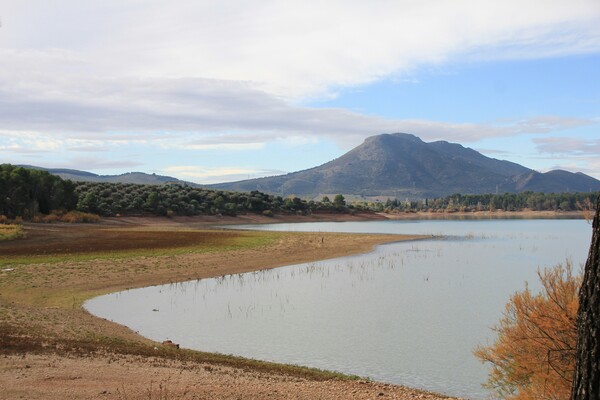
빅토리아주 정부(Victorian Government)는 2026~2027년을 위해 1천500억 리터 규모의 담수화수 공급을 확정했다고 밝혔다. 사진은 이해를 돕기 위한 참고 이미지로, 기사 내용의 특정 사업과는 관련 없음. [사진출처(Photo Source) = 멜버른워터(Melbournewater)]
빅토리아주 정부(Victorian Government)는 2026~2027년을 위해 1억5천만㎥ 규모의 담수화수 공급을 확정했다고 밝혔다. 이번 조치는 멜버른(Melbourne)의 물공급을 보충하고 그레이터 멜버른(Greater Melbourne) 및 인접 지역의 가정, 기업, 증가하는 인구를 지원하기 위한 것이다.
이번 공급 결정은 최근 및 지속적인 고온·건조 기후, 강수량 감소, 저수지 유입량 감소, 그리고 지역 인구 증가를 반영한 것이다. 또한 멜버른 물 관련 공기업들의 자문을 바탕으로 저수량 수준, 향후 수요, 기후 전망 등을 고려해 이뤄졌다.
빅토리아 담수화 플랜트(Victorian Desalination Plant)를 통해 공급되는 담수화수는 물공급의 일반적인 구성 요소로, 안전하고 신뢰할 수 있으며 기후에 영향을 받지 않는 식수원을 제공한다.
3월 말 기준 멜버른의 저수율은 67.1%로, 지난해 같은 시점의 78.6%에서 하락했다. 이는 2020년 이후 여름철 기준 최저 수준이다. 질롱(Geelong) 지역 저수율도 지난해 42.8%에서 37.5%로 감소했다.
멜버른은 자연 유입량 외에도 연간 약 5천만~7천만㎥의 물을 추가로 사용하고 있어 담수화수 확보가 필수적인 상황이다. 최근의 고온·건조한 기후는 가을까지 이어질 것으로 예상되며, 이에 따라 저수 및 담수화수 의존도가 증가할 전망이다.
빅토리아 담수화 플랜트는 멜버른 연간 물수요 가운데 최대 3분의 1을 공급할 수 있으며, 깁스랜드(Gippsland), 필립아일랜드(Phillip Island), 질롱 등 그레이터 멜버른 및 인접 지역의 물공급을 뒷받침한다.
2026년 3월 분기 물전망 보고서(quarterly Water Outlook for March 2026)에 따르면, 2026~2027년 여름 물사용 제한 가능성은 ‘가능’(20~49% 확률) 수준으로 평가됐다. 이번 담수화수 공급과 개인의 절수 노력은 물사용 제한을 피하는 데 도움이 될 수 있다. 빅토리아 주민들에게는 일상에서 절수 실천을 통해 물사용을 줄일 것이 권장된다.
향후 담수화수는 증가하는 수요를 충족하기 위한 다양한 수자원 중 하나로 활용될 전망이다. 2025 물안보계획(2025 Water Security Plan)은 물이용 효율 향상, 담수화 확대, 재이용수 활용, 빗물 이용 확대 등 장기적 해법을 포함하고 있다.
[원문보기]
Desalinated water to continue to boost storages
The Victorian Government has confirmed a 150 billion litre order for desalinated water for 2026–27, to replenish Melbourne’s water supplies and support homes, businesses and our growing community across Greater Melbourne and connected regions.
The order reflects recent and ongoing hot and dry weather, lower rainfall, declining inflows into storages, and the region’s growing population. The order is based on advice from Melbourne’s water corporations, which takes into account water storages levels, future demands and forecast climate conditions.
Desalinated water provided through the Victorian Desalination Plant is a normal part of our water supply – providing a safe, reliable and climate-independent source of drinking water.
At the end of March, Melbourne’s water storages were 67.1% full, down from 78.6% at the same time last year. This was the lowest end-of-summer storage level since 2020.
Geelong storages also dropped to 37.5% compared to last year’s 42.8%.
On average, Melbourne uses around 50-70 billion litres of water each year on top of what naturally flows into storages, making access to desalinated water essential.
The recent hot and dry conditions are expected to continue through autumn, increasing our reliance on stored and desalinated water.
The Victorian Desalination Plant can provide up to one-third of the Melbourne’s annual water demand, underpinning supply for Greater Melbourne and its connected regions, including Gippsland, Phillip Island and Geelong.
According to the quarterly Water Outlook for March 2026, water restrictions are now rated as ‘possible’ (20-49 per cent likelihood) for summer 2026–27. This desalinated water order along with individual efforts to conserve water may help Victorians avoid restrictions.
All Victorians are encouraged to make every drop count and take simple steps every day to conserve water.
Looking ahead, desalinated water is part of a range of water sources that will be needed to meet Victoria’s growing demands.
The 2025 Water Security Plan explores a combination of long-term solutions including increased water efficiency, expanded desalination, use of recycled water and harvested stormwater.
[출처 = 멜버른워터(Melbournewater)(https://www.melbournewater.com.au/about-us/what-we-do/news/desalinated-water-continue-boost-storages) / 2026년 4월 7일]
 즐겨찾기 추가
 시작페이지로 설정



























