[미국] 제설용 소금, 담수 생물에 예상보다 더 큰 피해 초래…연구 결과
포식자 스트레스와 결합할 경우 달팽이 사망률 최대 60% 증가
자연 조건 반영 실험서 기존 연구 한계 드러나
국제학술지 『오이코스(OIKOS)』에 게재
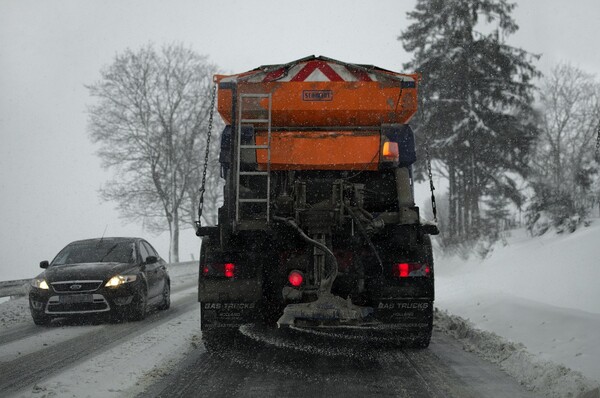
도로 제설용 소금이 포식자 스트레스와 결합할 경우 담수 달팽이의 사망률을 최대 60%까지 높이는 등 담수 생태계에 예상보다 큰 피해를 줄 수 있다는 연구 결과가 나왔다. [사진출처(Photo Source) = Pixabay]
미국 전역의 하천과 연못, 호수 등 담수 수계의 염분 농도가 점차 높아지고 있는 가운데, 미주리대학교(University of Missouri)의 새로운 연구에 따르면 그 피해가 과학자들이 기존에 생각했던 것보다 더 클 수 있는 것으로 나타났다.
미주리대학교 농업·식품·천연자원대학 연구진은 도로 제설용 소금이 물속 천적의 존재로 인한 스트레스 요인과 함께 작용할 경우, 담수 달팽이에 훨씬 더 치명적인 영향을 미친다는 사실을 확인했다.
도로 제설용 소금은 겨울철 제설 작업 과정에서 발생하는 도로 유출수를 통해 주로 담수로 유입된다. 과학자들은 소금 자체만으로도 담수 생물에 해롭다는 사실을 알고 있지만, 대부분의 연구는 염분 노출만을 단독 요인으로 분석해 왔다. 그러나 실제 자연환경에서 생물들은 포식자를 포함한 여러 추가적인 스트레스 요인에 동시에 노출된다.
달팽이의 자연 서식 환경을 보다 정확히 반영하기 위해 릭 렐리야(Rick Relyea)와 동료 연구진은 서로 다른 염분 농도와 다양한 포식자 종의 존재 여부를 조합한 반야외 실험(semi-outdoor experiments)을 진행했다.
릭 렐리야 미주리대학교 조니 모리스 어업·습지·수생시스템 연구소(Johnny Morris Institute of Fisheries, Wetlands and Aquatic Systems) 소장이자 이번 연구의 공동 저자는 “담수 생물은 낮은 염분 환경에서 진화해 왔다”며 “도로 제설용 소금이 추가되면 이들의 생존은 훨씬 더 어려워진다”고 말했다.
그는 “특히 포식자에게 잡아먹힐 수 있다는 위협을 느끼는 상황에서는 그 영향이 더욱 커진다”고 밝혔다. 이어 “가장 높은 염분 농도에서는 포식자로 인한 스트레스가 달팽이의 폐사를 크게 증가시켜, 소금에만 노출됐을 때보다 사망률이 거의 60% 더 높게 나타났다”고 설명했다.
릭 렐리야와 동료 연구진은 달팽이가 주변에 포식자가 있다는 신호를 감지하면 눈에 띄지 않기 위해 먹이 섭취를 줄이고 움직임도 둔화된다는 점을 확인했다. 동시에 물의 염분 농도가 높아지면 생존을 유지하기 위해 더 많은 에너지를 소모해야 한다. 이 두 요인이 겹치면서 에너지가 크게 고갈된다. 연구진은 이러한 복합적인 요인이 달팽이의 폐사 위험을 높일 수 있다고 보고 있다.
스콧 괴프너(Scott Goeppner) 미주리대학교 박사후연구원이자 공동 저자는 “이러한 영향은 일반적인 실험실 연구에서는 드러나지 않는다”고 말했다. 그는 “이는 도로 제설용 소금과 같은 일반적인 오염물질이 실제로 얼마나 위험한지 우리가 과소평가하고 있을 가능성을 보여준다”고 덧붙였다.
수질에 미치는 영향
담수 달팽이는 크기는 작지만 개체 수가 많고, 조류(algae)를 조절하며 영양분을 순환시키고 어류와 조류(birds)의 먹이가 되는 등 수생 생태계에서 중요한 역할을 한다.
스콧 괴프너는 “달팽이와 같은 생물이 사라지면 조류(algae)가 걷잡을 수 없이 늘어날 수 있다”고 말했다. 이어 “이는 수질을 악화시키고, 지역사회가 일상적으로 의존하는 수로에 영향을 미친다”고 설명했다.
릭 렐리야는 수로의 염분 오염을 줄이기 위한 실질적인 해결책이 이미 존재한다고 밝혔다.
그는 “지역사회는 도로 안전을 유지하면서도 제설용 소금 사용량을 최대 50%까지 줄일 수 있다”고 말했다. 이어 “도로 사전 처리, 제설 차량의 정밀 조정, 보다 전략적인 살포 방식 적용과 같은 간단한 조치만으로도 담수 생태계를 보호하는 동시에 지방정부와 납세자의 비용 부담을 줄일 수 있다”고 강조했다.
연구진은 현재의 수질 기준이 이러한 실제 환경 조건을 충분히 반영하지 못할 수 있다고 제시했다.
스콧 괴프너는 “오염물질이 자연적인 스트레스 요인과 어떻게 상호작용 하는지 충분히 이해하지 못한 상황에서는 신중하게 접근하는 것이 더 안전하다”며 “담수를 보호하려면 실험실 환경뿐만 아니라 보다 자연에 가까운 조건에서 염분의 영향을 살펴봐야 한다”고 설명했다.
이번 연구 ‘How do freshwater prey respond to combinations of predation risk and salinity?(담수 피식자는 포식 위험과 염분이 결합된 조건에 어떻게 반응하는가?)’는 국제학술지 『오이코스(OIKOS)』에 게재됐다. 연구에는 렌슬러 공과대학교(Rensselaer Polytechnic Institute)의 미첼 르 세이지(Mitchell Le Sage)도 공동 저자로 참여했다.
[원문보기]
Road salt creates more harm to freshwater life than expected, study finds
Freshwater streams, ponds and lakes across the United States are becoming saltier, and new research from the University of Missouri shows the damage may be greater than scientists once thought.
Scientists at Mizzou’s College of Agriculture, Food and Natural Resources found that road salt becomes much more deadly to freshwater snails when combined with the fear of natural predators in the water.
Road salt mainly enters fresh water through road runoff from winter deicing. While scientists know that salt alone is harmful to freshwater animals, most research looks at salt exposure by itself. But in the real world, animals face challenges from many additional stressors at the same time, including predators.
To better reflect a snail’s natural environment, Rick Relyea and colleagues conducted semi-outdoor experiments using different salt levels and the presence or absence of different predator species.
“Freshwater organisms have evolved in low-salt environments,” Relyea, director of Mizzou’s Johnny Morris Institute of Fisheries, Wetlands and Aquatic Systems and co-author of the study, said.
“Adding road salt makes their survival much harder, especially when these animals experience the fear of being eaten by predators. At the highest salt levels, we found that predator stress dramatically increased snail deaths, causing nearly 60% higher mortality compared to salt alone.”
Relyea and colleagues noticed that when snails sense nearby predators, they slow their eating and move less to avoid being noticed. At the same time, an increase in salty water forces them to use more energy just to stay alive. Together, these forces drain their energy. The researchers believe this combination of factors may increase a snail’s risk of death.
“These effects don’t show up in typical lab studies,” Scott Goeppner, a Mizzou postdoctoral fellow and co-author, said. “That means we may be underestimating how dangerous common pollutants, such as road salt, really are.”
Impacting water quality
Although they are small, freshwater snails are abundant and important to aquatic ecosystems because they help control algae, recycle nutrients and provide food for fish and birds.
“When organisms like snails disappear, algae can grow unchecked,” Goeppner said. “That lowers our water quality, impacting the waterways communities rely on every day.”
Relyea said practical solutions to reducing salt pollution in waterways already exist.
“Communities can cut road salt use by up to 50% while still maintaining safe roads,” he said. “Simple steps such as pre-treating roads, calibrating salt trucks and applying salt more strategically can protect freshwater ecosystems while saving money for local governments and taxpayers.”
The team suggests that current water-quality standards may not fully reflect these real-world conditions.
“When we don’t fully understand how pollutants interact with natural stressors, it’s safer to be cautious,” Goeppner said. “Protecting freshwater means looking at salt impacts under more natural conditions, not just in the lab.”
The study, “How do freshwater prey respond to combinations of predation risk and salinity?” was published in the journal OIKOS. Mitchell Le Sage at Rensselaer Polytechnic Institute is a co-author on the study.
[출처 = 미주리대학교(University of Missouri)(https://showme.missouri.edu/2026/road-salt-creates-more-harm-to-freshwater-life-than-expected-study-finds/) / 2026년 2월 12일]
 즐겨찾기 추가
 시작페이지로 설정



























