미국 오하이오 주립대 렌하트 교수 연구팀, “생수서 정수된 수돗물보다 나노플라스틱 입자 3배 더 많이 검출”
이리호(Lake Erie) 인근 정수장 4곳과 6개 종류의 브랜드 생수 샘플 분석
연구팀, 미세 입자 검출하는 새로운 방법 개발…향후 환경에서 플라스틱 제거하기 위한 노력에 중요한 시사점 제공
환경과학 분야의 대표 학술지인 『전체 환경의 과학(Science of The Total Environment)』 최근호에 발표
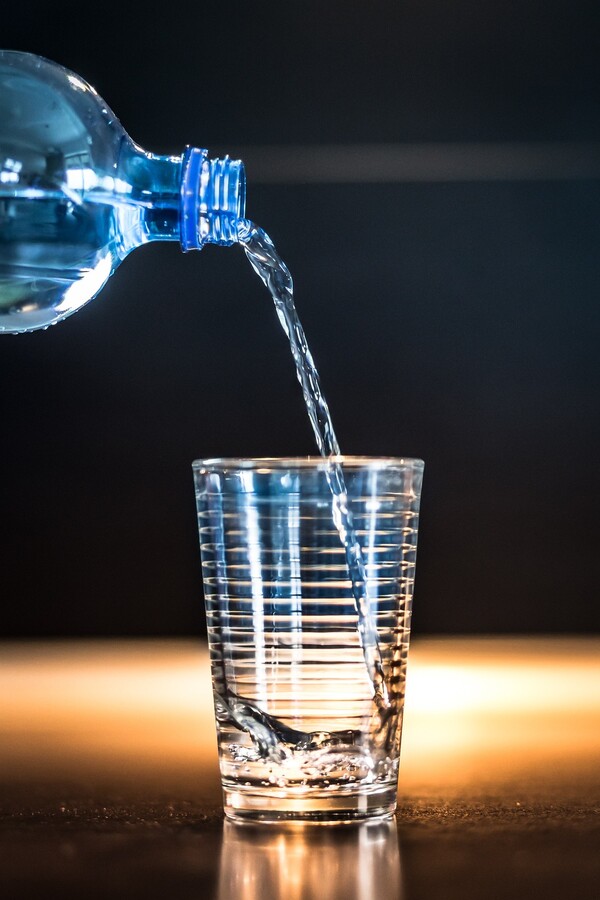
미국 오하이오 주립대학교 존 렌하트(John Lenhart) 교수 연구팀의 연구 조사에 따르면 생수에서 정수된 수돗물보다 나노플라스틱 입자가 3배 더 많이 검출된 것으로 나타났다. [사진출처(Photo source) = 픽사베이(pixabay)]
미국 오하이오 주립대학교(Ohio State University) 연구팀의 새로운 연구 조사 결과에 따르면, 일부 생수 브랜드에서 수돗물보다 훨씬 높은 수준의 미세플라스틱(Microplastic)이 검출된 것으로 나타났다. 이 연구팀은 이러한 미세 입자를 검출하는 새로운 방법을 개발했다.
미세플라스틱과 나노플라스틱(Nanoplastic)은 전 세계적인 플라스틱 오염의 결과로, 플라스틱 제품이 사용되거나 분해될 때 생성되는 작은 합성 입자이다. 이러한 플라스틱 조각들은 수로를 포함하여 환경 거의 모든 곳에서 발견된다.
연구팀은 미국 수자원의 일부에서 미세플라스틱 농도를 파악하기 위해 이리호(Lake Erie) 인근의 정수장 네 곳과 여섯 가지 브랜드의 생수 샘플을 분석했다.
이번 연구의 주 저자인 오하이오 주립대학교 메건 제이미슨 하트(Megan Jamison Hart) 환경과학 박사과정생(연구원)은 “생수에서 정수된 수돗물보다 나노플라스틱 입자가 3배나 더 많이 검출되었다”고 밝혔다.
이번 연구의 주 저자인 오하이오 주립대학교 메건 제이미슨 하트(Megan Jamison Hart)환경과학 박사과정생(연구원).
하트 연구원은 특히 “우리는 이러한 유해 화학물질에 대한 일상적인 노출을 줄이기 위해 현명한 선택을 할 수 있다”라면서 “목이 마르고 물을 마시고 싶어하는 일반적인 사람에게 가장 좋은 방법은 미리 병에 담긴 물을 마시는 것보다 수돗물을 바로 마시는 것이 좋다”고 강조했다.
하트 연구원은 이어 “이전 연구에서는 다양한 식수원에서 미세플라스틱의 존재를 조사했지만, 나노플라스틱에 초점을 맞춘 연구는 거의 없었다”라면서 “이는 나노플라스틱의 극도로 작은 크기 때문에 연구하기 어렵기 때문일 가능성이 크다”고 덧붙였다.
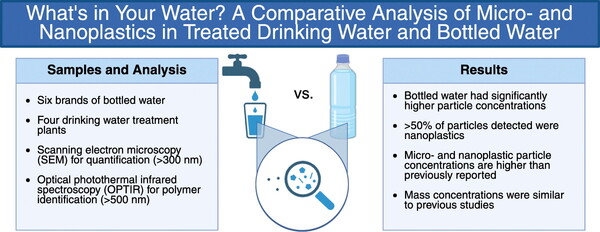
연구팀은 영상 분석(주사전자현미경)과 화학적 식별(광열적외선 분광법) 기술을 결합하여 가장 작은 입자까지 검출하고 식별할 수 있었다.
이 연구는 환경과학 분야의 대표 학술지인 『전체 환경의 과학(Science of The Total Environment)』 최근호에 ‘물에 무엇이 들어 있나요? 처리된 식수와 생수의 미세 플라스틱과 나노 플라스틱 비교 분석(What's in your water? A comparative analysis of micro- and nanoplastics in treated drinking water and bottled water)’이라는 제목으로 발표되었다.
미세플라스틱이 인체 건강에 미치는 영향은 아직 명확히 밝혀지지 않았지만, 많은 전문가들은 나노플라스틱이라고 불리는 더 작은 플라스틱 조각이 인체의 중요한 생물학적 장벽을 더 쉽게 통과할 수 있기 때문에 장기적으로 건강에 해로울 수 있다고 지적한다.
[그림 1] 처리된 식수와 생수의 미세 플라스틱과 나노 플라스틱 비교 분석
[그림출처(picture source) = 『전체 환경의 과학(Science of The Total Environment)』]
하트 연구원은 “나노플라스틱 노출과 관련된 인체 건강 위험을 완전히 이해하지는 못하지만, 나노플라스틱이 문제를 일으킨다는 증거가 있기 때문에 위험을 줄이기 위해 노력하는 것이 좋다. 비록 그 문제가 정확히 무엇인지는 아직 완전히 밝혀지지 않았지만 말이다”라고 하트 교수는 말했다.
실험 결과, 연구진은 생수에서 가장 흔하게 발견되는 플라스틱은 예상대로 생수 포장재에서 나온 것이었지만, 식수에서 발견된 플라스틱의 정확한 출처는 아직 불분명하다. 검출된 입자의 50% 이상이 나노플라스틱으로 밝혀져, 이러한 미세 화학물질이 식수에서도 얼마나 널리 퍼져 있는지를 보여준다.
이번 연구의 책임 저자인 오하이오 주립대학교 환경공학과 존 렌하트(John Lenhart) 교수는 “이러한 결과는 나노플라스틱이 전 세계 미세플라스틱 오염의 상당 부분을 차지하며, 과학자들이 나노플라스틱이 환경에 미치는 위협의 실제 규모를 과소평가하고 있을 가능성이 높다는 것을 시사한다”고 말했다.
이번 연구의 책임 저자인 오하이오 주립대학교 환경공학과 존 렌하트(John Lenhart) 교수.
렌하트 교수는 이어 “우리가 관찰한 농도는 예상보다 높았는데, 이전 연구들과는 달리 나노플라스틱의 존재를 그 원인으로 지목할 수 있었다”라면서“이러한 강조점은 우리가 지금까지 얻은 많은 정보를 입증해 준다”고 말했다.
나노플라스틱을 이번 연구 측정에 포함시킴으로써 향후 더 많은 통찰력을 얻을 수 있을 것으로 기대된다. 예를 들어, 연구팀의 분석 기법을 활용하여 환경에서 이러한 미세 오염물질을 제거하는 데 가장 효과적인 처리 공정을 평가할 수 있을지 여부를 밝혀낼 수 있을 것이다.
렌하트 교수는 “물 속 물질의 기본 구성과 그 구성을 조절하는 데 중요한 반응을 이해함으로써 미래의 처리 또는 복원 공정을 위한 더 나은 설계 결정을 내릴 수 있다”라면서 “바로 이러한 이유로 이번 분석이 매우 유망한 것”이라고 강조했다.
이 연구는 미국 해양대기청(National Oceanic and Atmospheric Administration, NOAA)의 오하이오 해양연구대학 프로그램(Ohio Sea Grant College Program)과 미국 국립과학재단(National Science Foundation, NSF)의 지원을 받았다.
[원문보기]
Some bottled water worse than tap for microplastics, study shows
Insights could inform future efforts to remove plastic from environment
Some brands of bottled water contain significantly higher levels of microplastics than tap water, according to new research by scientists who have developed a novel method for detecting these tiny particles.
The result of a global buildup in plastic pollution, microplastics and nanoplastics are small synthetic particles produced when plastic products are used or degrade. These plastic fragments are found nearly everywhere in the environment, including the nation’s waterways.
To better understand the concentration levels in a segment of the U.S. water supply, scientists analyzed water samples from four treatment plants near Lake Erie and six different brands of bottled water.
Their results showed that bottled water contained three times as many nanoplastic particles as the treated drinking water, said Megan Jamison Hart, lead author of the study and a PhD candidate in environmental sciences at The Ohio State University.
“We can make educated choices to try and reduce our daily exposure to these harmful chemicals,” said Hart. “For the average person who is thirsty and wants a drink, the best way to do that would be drinking it straight out of the tap rather than grabbing pre-bottled water.”
While previous research evaluated the presence of microplastics in different drinking water sources few have centered on nanoplastics, likely because their extremely small size makes them a challenge to study, said Hart.
Using a combination of imaging (scanning electron microscopy) and chemical identification (optical photothermal infrared spectroscopy) techniques allowed the team to detect and identify particles down to their smallest parts.
The study was recently published in the journal Science of The Total Environment.
Although the extent of microplastics’ effect on human health is still unclear, many experts suggest their presence may be detrimental to our well-being in the long term, as smaller plastic pieces, called nanoplastics, are more likely to cross vital biological barriers in the body.
“While we don’t really fully understand the human health risks associated with nanoplastic exposure, it’s still better to try and mitigate that risk because evidence indicates that they do cause problems, even if we’re not fully aware of what those are yet,” said Hart.
During their experiments, researchers found that the most common plastics in the bottled water came from the bottled water packaging, which they expected, but the source of the plastics in the drinking water is still unclear. Over 50% of all the particles detected were nanoplastics, demonstrating how pervasive these tiny chemicals can be, even in drinking water.
These details confirm that nanoplastics are a significant component of the world’s overall amount of microplastic contamination and scientists likely underestimate the true scope of their environmental threat, said John Lenhart, senior author of the study and a professor of environmental engineering at Ohio State.
“The concentrations we saw were higher than anticipated, which, unlike prior studies, we were able to attribute to the inclusion of the nanoplastics,” said Lenhart. “That emphasis validates a lot of the information we’ve learned.”
Incorporating nanoplastics into this study’s measurements may lead to additional insights down the line, including whether the team’s analytical techniques could also be utilized to evaluate which treatment processes work best at removing these silent invaders from the environment.
“By understanding the basic composition of the materials in water and the reactions important for controlling that composition, we can make better design decisions for future treatment or for remediation,” said Lenhart. “That’s why analyses like these are so promising.”
The study was supported by the U.S. National Oceanic and Atmospheric Administration through its Ohio Sea Grant College Program and the National Science Foundation.
 즐겨찾기 추가
 시작페이지로 설정