[스리랑카] AI 확산 속 ‘마르는 클라우드’…데이터센터 물소비 증가
AI 확산과 함께 데이터센터 물소비 구조적 증가
GPU 제조·냉각·전력 사용 전 과정에서 물소비 발생
GPT-3 학습에 약 700㎥ 소요… 2027년 최대 66억㎥ 전망
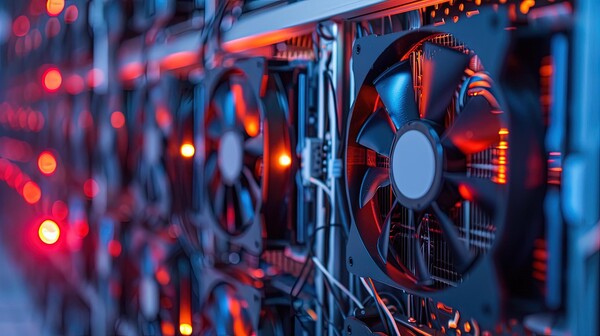
인공지능(AI)은 이미 일상과 기술 환경 전반에 깊숙이 스며들어 있다. 그러나 AI 활용이 확대될수록 데이터센터 운영 전반에서 발생하는 물소비 역시 빠르게 증가하고 있으며, 이는 환경에 새로운 부담으로 작용하고 있다. [사진제공(Photo Source) = Pixabay]
인공지능(AI)은 이미 일상과 기술 환경 전반에 깊숙이 스며들어 있다. 그러나 AI 활용이 확대될수록 데이터센터 운영 전반에서 발생하는 물소비 역시 빠르게 증가하고 있으며, 이는 환경에 새로운 부담으로 작용하고 있다.
이 페이지를 읽고 있는 지금 이 순간까지 AI는 이미 당신의 하루 곳곳에 개입했을 가능성이 크다. 이메일을 쓰거나 오류가 있는 파이썬 코드를 고치기 위해 ChatGPT를 열었을 수도 있고, 두통의 원인을 알아보기 위해 AI를 활용했을 수도 있다. 175쪽 분량의 보고서에서 필요한 정보만 추출하기 위해 어도비의 AI 기능을 사용했을 가능성도 있다. 최소한 AI 기반 검색 엔진이나 백엔드 프로세스를 통해 이 페이지에 도달했을 가능성도 크다.
이는 AI가 더 이상 특별한 기술이 아니라, 일상적인 기술 환경에 깊이 통합돼 있음을 보여준다. 연구 환경에서도 상황은 다르지 않다. AI는 패턴을 식별하고 예측하며 의사결정을 자동화하는 데 활용되고 있고, 인간이나 기존 기술보다 더 많은 데이터를 더 빠르게 처리하고 있다.
그러나 이러한 확산은 환경적 부담을 함께 키우고 있다. AI는 환경에 상당한 영향을 미치고 있으며, 특히 막대한 물소비가 문제로 떠오르고 있다. AI를 사용하는 것은 생산 과정 전반에 숨겨진 방대한 양의 가상 물소비를 동반한다. AI가 작동할 때마다 물은 여러 경로를 통해 소비된다.
데이터센터 시스템 전반에서 물은 다양한 단계에서 사용된다. 먼저 AI 하드웨어를 제조하는 과정에서 물이 투입된다. AI는 데이터 처리, 저장, 고성능 연산에 특화된 그래픽처리장치(GPU)라 불리는 실리콘 칩에 의존한다. GPU를 조립하기 위해서는 실리콘 웨이퍼를 초순수로 세척해야 하며, 이는 세균 증식, 막힘, 부식을 방지하기 위한 것이다. 이러한 칩은 데이터센터에서 10만 개가 넘는 다른 칩과 함께 사용된다. 마이크로칩 하나를 제조하는 데 평균 8.3㎥의 물소비가 발생한다.
GPU 제조 이후에도 데이터센터 운영 과정에서는 지속적인 물소비가 이어진다. AI에 프롬프트를 입력하면 칩은 요청을 이해하고 응답을 생성하기 위해 복잡한 계산을 수행하며, 이 과정에서 상당한 열이 발생한다. 이를 제어하지 않으면 하드웨어가 과열되기 때문에 데이터센터에는 냉각 시스템이 필요하다.
냉각 과정에서는 냉각수가 처리 칩 위를 순환하며 열을 흡수한다. 냉각수가 서버를 빠져나오면 물이 투입돼 냉각수의 열을 흡수하고, 냉각수는 다시 순환된다. 이 과정에서 일부 물은 자연적으로 냉각되고, 증발한 만큼의 물은 새로운 물로 대체된다.
일부 데이터센터는 현장 물소비를 줄이기 위해 건식 냉각기를 사용하지만, 이는 에너지 수요를 증가시킨다. 그 결과 전력 생산 과정에서 간접적인 물소비가 발생하며, 이는 ‘스코프-2(scope-2) 물소비’로 분류된다. 현재 데이터센터는 전 세계 전력 수요의 1~2%를 차지하고 있으며, AI 모델이 복잡해질수록 이 비중은 증가할 것으로 예상된다.
전력에 내재된 물소비는 에너지원에 따라 크게 다르다. 태양광, 풍력, 지열은 물소비가 매우 적은 반면, 수력과 화석연료 기반 발전은 훨씬 많은 물을 필요로 한다. 아프리카에서는 수력발전이 전 세계 전력 생산의 13%에 불과하지만, 물 취수의 70%, 물소비의 97%를 차지한다. 화석연료는 전 세계 1차 에너지 소비의 80% 이상을 차지하며, 발전 과정에서 에너지 부문 전체 물 취수량의 절반 이상을 차지한다.
풍력과 태양광 등 저수량 에너지원으로 전환할 경우 데이터센터의 간접적 물소비를 줄일 수 있다. 이러한 전환을 통해 영국은 물 취수를 절반, 미국·독일·호주는 4분의 1, 인도는 10% 줄일 수 있다. 그러나 AI 모델이 성장할수록 에너지와 물소비 수요는 계속 증가한다.
AI 학습 과정에서는 물소비가 더욱 집중된다. 고도화된 AI 학습에는 킬로와트시(kWh)당 최대 5.5리터의 물을 소비하는 특수 냉각 시스템이 필요하다. GPT-3 학습에는 약 700㎥의 물이 사용됐다. 개별 ChatGPT 질의는 미미해 보일 수 있지만, ChatGPT는 하루 25억 건 이상의 질의를 처리한다. 질문 10~50개로 구성된 한 번의 대화는 약 500밀리리터의 물소비를 수반한다.
주요 기술기업의 물소비는 대부분 데이터센터에서 발생하고 있으며, 그 규모는 빠르게 늘고 있다. 마이크로소프트의 물소비는 2021년부터 2022년 사이 34% 증가해 약 640만㎥에 달했다. 구글은 같은 기간 20% 증가했으며, 2023년 전 세계 운영 과정에서 2천420만㎥의 물을 사용했고 이 중 95%인 2천310만㎥가 데이터센터에서 사용됐다. AI 기반 데이터센터는 2027년까지 전 세계적으로 42억~66억㎥의 물을 소비할 수 있다.
이러한 물소비는 특히 가뭄 지역에서 데이터센터를 유치한 지역사회에 직접적인 영향을 미친다. 멕시코 케레타로(Queretaro)에서는 수년간 지속된 가뭄에 농업, 제조업, 도시 수요가 더해진 상황에서 데이터센터 유치 이후 물부족 문제가 심화됐다. 지역 상인은 물부족 시 기본적인 위생 환경을 유지하기 어려워 영업을 중단해야 했고, 농민들은 의존하던 댐 수위가 낮아지며 작물이 말라가는 상황을 지켜봐야 했다. 그동안 데이터센터는 운영을 지속했다.
미국에서는 신규 데이터센터의 약 3분의 2가 이미 높은 수자원 스트레스를 겪는 지역에 위치해 있다. 애리조나는 ‘극심한 가뭄’ 지역으로 분류되지만 데이터센터 시장은 빠르게 성장하고 있다. 인도, 튀르키예, 아랍에미리트, 남아프리카공화국 등 국가적 물부족을 겪는 국가에서도 다수의 데이터센터가 운영 중이다.
데이터센터가 물부족 지역으로 계속 확장될 경우, 기후변화는 주변 지역사회에 가해지는 부담을 더욱 키운다. 이를 완화하기 위해 데이터센터 입지는 지역 자원 여건과 보다 정합적으로 연계될 필요가 있다. 물공급, 사용 패턴, 재이용·재활용 체계를 함께 고려하는 접근이 요구되며, 시설을 유치한 지역사회가 자원 고갈의 부담만 떠안지 않도록 보상과 편익 공유 역시 함께 검토돼야 한다.
물 효율적인 데이터센터와 제조 공정을 구축하려는 시도도 진행되고 있다. 마이크로소프트는 해저 데이터센터를 실험했고, 아마존은 우주 기반 시설을 검토했으며, 구글은 딥마인드를 활용해 데이터센터 냉각 에너지 사용을 40% 줄였다. 구글은 데이터센터 물을 순환 재사용하는 냉각 시스템도 도입하고 있다.
에너지와 물문제는 해결될 가능성을 지니고 있지만, 혁신의 속도는 AI 확산 속도를 따라가지 못하고 있다. 기술 발전은 구조적인 수자원 계획 없이 진행돼 왔으며, 기술과 자연 시스템이 상호작용하는 방식을 다시 설계할 필요성이 제기된다.
AI는 당분간 사라지지 않는다. 이 브라우저를 닫는 순간에도 AI로 포화된 세계로 돌아가게 된다. 오늘날의 AI 시스템은 환경적 압박을 키우고 있지만, 기술 지능을 자연 시스템과 정렬할 경우 기술 발전은 이를 가능하게 하는 세계를 희생시키지 않고 오히려 강화하는 방향으로 나아갈 수 있다.
[원문보기]
The Cloud is running dry
The pursuit of artificial intelligence requires intentional water resource management.
By the time you arrived on this page, AI probably already played a role in your day. Maybe you pulled up ChatGPT to write an email or fix faulty python code or diagnose the cause of your headache. Perhaps you used Adobe’s AI feature to extract the specific piece of information you needed from a 175-page report. Or, at the very least, AI algorithms likely directed you to this page either through the AI google search engine or backend processes (if you directly searched for IWMI features, you may not have used AI, but you did become our new favorite reader). This is all to say that AI has become accessible and undeniably integrated into our daily technological experiences.
For researchers, it is no different. Researchers are immersing AI throughout their process to identify patterns, make predictions and automate decisions, processing more data and faster than humans and previous technologies ever could.
But with great opportunity also comes great risk. Alongside AI’s rapid expansion comes apprehension about a technology that is greatly impacting the environment, particularly its substantial water consumption. By using AI, you are consuming vast amounts of virtual water hidden throughout the production process. Each time you come across AI, you consume water in multiple ways.
Part I: How water is used throughout data center systems
For example, water is first introduced when manufacturing AI hardware. AI relies on silicon chips called Graphic Processing Units (GPUs), which are specialized for data processing, storage and high-performance computing. Assembling a GPU requires rinsing and cleaning the silicon “wafer” with ultra-pure water to prevent bacterial growth, clogs, and corrosion when this chip is ultimately packed together with over 100,000 others in a datacenter. On average, a single microchip will consume 8,300 liters of water throughout the manufacturing process.
Beyond the water footprint of manufacturing GPUs, data centers continually consume water to allow these chips to function properly. Without mitigation, global water use associated with data centers could rise more than sevenfold by mid-century, with cooling-related operational consumption driving the majority of that demand. When you send a prompt to AI, the chips perform complex calculations to understand your request and generate a response, which creates significant heat buildup. Because of this, data centers need a proper cooling system to prevent the hardware from overheating. To cool the system, a coolant is piped over the processing chips. Once the coolant exits the servers, water is introduced to absorb the heat from the coolant so the coolant can be recirculated. Some of this water cools naturally, while fresh water replaces what evaporated during the process. In other cases, data centers use dry coolers, which avoid on-site water consumption but can increase energy demand, adding pressure on water resources indirectly through electricity generation in what is known as scope-2 water consumption.
This indirect water use is significant. Data centers currently account for 1–2% of global electricity demand, a share expected to grow as AI models become more complex. The amount of water embedded in electricity varies widely by energy sources: solar, wind and geothermal require very little, while hydropower and fossil fuels demand greater volumes. For example, in Africa, hydropower produces just 13% of global electricity but accounts for 70% of water withdrawals and 97% of water consumed. Fossil fuels make up more than 80% of global primary energy consumption and their use in power generation alone accounts for over half of all water withdrawals in the energy sector. Moving toward low-water sources like wind and solar could cut withdrawals by half in the U.K., a quarter in the U.S., Germany and Australia, and by 10% in India helping to reduce the indirect water footprint of data centers. Yet as AI models grow, the demand for energy, and therefore water, continues to rise.
More intensive calculations demand more energy and consequently more cooling water. The most advanced AI training requires specialized cooling systems that can consume up to 5.5 liters of water per kilowatt-hour. Training GPT-3 alone consumed approximately 700,000 liters of water by facilitating these cooling mechanisms.
While one ChatGPT query seems negligible, ChatGPT processes over 2.5 billion queries daily. A ChatGPT conversation involving 10-50 questions consumes about 500 milliliters of water, equivalent to a bottle of water. While this engagement with ChatGPT is intentional, also consider all the other AI queries automatically built into systems, such as search engines, that run without you explicitly requesting to use AI, which also increases the load required of data centers.
Nearly all the water consumption attributed to major tech companies occurs at data centers, and their usage is increasing. Microsoft’s water consumption jumped 34% between 2021 and 2022, to nearly 6.4 billion liters. Google saw a 20% increase in the same period, and in 2023, Google worldwide operations consumed 24.2 billion liters, with 95% (23.1 billion liters) used by its data centers. Projections suggest AI-driven data centers could consume 4.2 to 6.6 trillion liters of water globally by 2027. That is slightly more than the amount of surface and groundwater used worldwide to irrigate bananas and plantains.
Part II: The effects and response of water consumption at data center sites
While these numbers are hard to grasp, the effects of unsustainable water consumption are not, especially for those in data center-hosting communities in drought-ridden areas. In Queretaro, Mexico, residents have been facing drought for years, exacerbated by multiple water-intensive sectors including agriculture, manufacturing and municipal demand that have consumed vast amounts of water for decades. More recently, the arrival of a data center has intensified existing pressures. A local shop owner reported that the health of the community wanes during water shortages without basic sanitation and that she has been forced to shut down her business for days on end. A blackberry farmer watched his crops shrivel, mirroring the slow retreat of the nearby Zimapán dam he depended on. All the while, the data center sustained its operations.
In the US, Bloomberg News found that approximately two-thirds of new data centers are in areas already experiencing high water stress. Arizona is becoming the fastest-growing data center market in the U.S, yet much of the state is classified as experiencing “extreme drought.” This pattern is present worldwide with 270 datacenters in India, 80 in Turkey, 57 in UAE and 56 in South Africa — all countries facing national water scarcity.
As data centers continue to expand in already water-scarce regions, climate change will heighten the strain they place on surrounding communities. To prevent further water stress, the placement of data centers must be better aligned with local resource availability. Suitability frameworks can help achieve this balance by guiding where data centers are built to safeguard both ecosystems and people. These frameworks typically take a systemic approach, considering local water supplies, usage patterns, and existing reuse and recycling systems. They also evaluate the distribution of benefits, ensuring that host communities are not only protected from depletion but are also compensated for their contributions and share in the advantages of the facilities they host.
While optimally placing datacenters can reduce stress, so too can creating water-efficient data centers and manufacturing processes. The tech sector has begun exploring innovative solutions. For example, Microsoft has experimented with underwater data centers for natural cooling, Amazon has investigated space-based facilities, and Google’s use of DeepMind to optimize cooling cut energy use in its data centers by 40%. New water recycling systems at Google are also beginning to reuse datacenter water for continuous cooling cycles.
There is reason for optimism that these energy and water challenges can be resolved, though the pace of innovation lags far behind AI’s expanding appetite. Solutions must be implemented rapidly and shared across sectors, as computer intelligence alone won’t sustain the water systems on which both technology and communities depend.
To this point, technological progress has advanced with little structured water resource planning. It is important for us to reclaim agency in shaping how technology interacts with our world. By integrating AI and human intelligence, we can combine their strengths to generate insights that deepen our understanding of water scarcity and guide the design of systems capable of balancing the complex, shifting demands of both nature and technology. Through this approach, we can reorient our priorities to safeguard and restore the ecosystems on which we all depend.
AI is not disappearing anytime soon. The moment you close this browser, you’ll return to a world saturated with it. While today’s AI systems have intensified environmental pressures, we have the potential to elevate these systems to reach a level of sustainability that we might never have achieved on our own. By aligning technological intelligence with natural systems, we have the opportunity to create technological progress that strengthens, rather than sacrifices, the world that makes it possible.
[출처 = 국제수자원관리기구(IWMI)(https://www.iwmi.org/news/the-cloud-is-running-dry/) / 2026년 1월 20일]
 즐겨찾기 추가
 시작페이지로 설정



























