[2026] [미국] 버팔로대, “버려진 담배꽁초가 미세플라스틱·독성물질 방출해 자연 수계 오염시켜”
이름
관리자 waterindustry@hanmail.net
작성일
2026.01.22
조회수
921
파일첨부
[미국] 버팔로대, “버려진 담배꽁초가 미세플라스틱·독성물질 방출해 자연 수계 오염시켜”
담배 필터, 물 접촉 시 수십개 미세섬유 방출…유속에 따라 10일 내 100개 이상 추가 발생
보수적 추정치, 뉴욕주 수계로 매일 7천100만~14억개 담배꽁초 미세섬유 유입
수계 보호 위해 담배꽁초 수거함 확대 및 빗물 배수구 필터 설치 필요
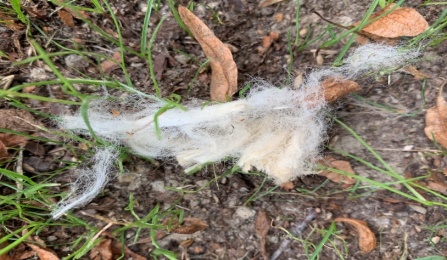
버팔로대학교(University at Buffalo)의 새로운 연구에서는 담배 필터 하나가 물과 접촉하는 순간 최대 20여 개의 미세섬유를 방출할 수 있다는 사실을 밝혀냈다. [사진제공(Photo Source) = John Atkinson, University at Buffalo]
버려진 담배꽁초가 니코틴, 중금속, 기타 독성 물질을 자연 수계를 포함한 환경으로 방출한다는 사실은 이미 잘 알려져 있다. 그러나 이러한 화학물질을 내뿜는 플라스틱 기반 필터에서 실제로 어떤 일이 일어나는지는 충분히 규명되지 않았다.
최근 미국 뉴욕에 위치한 버팔로대학교(University at Buffalo)의 연구팀은 이 문제를 집중적으로 조사했다. 그 결과, 담배 필터 하나가 물과 접촉하는 순간 최대 20여 개의 미세섬유를 방출할 수 있으며, 물의 흐름에 따라 10일 이내에 100개 이상의 미세섬유가 추가로 방출될 수 있다는 사실을 확인했다.
연구진은 대부분의 담배 필터가 셀룰로오스 아세테이트 섬유(Cellulose Acetate Fibers)로 만들어지는데, 이 섬유가 빠르게 방출되는 속도는 이전까지 정확히 측정된 적이 없었다고 설명했다. 이번 결과는 담배꽁초가 전 세계에서 가장 많이 버려지는 쓰레기이자 미세플라스틱 오염의 직접적이고 과소평가된 원인이라는 기존 연구를 뒷받침한다.
존 D. 앳킨슨(John D. Atkinson) 버팔로대 토목·구조·환경공학과 교수. [사진제공(Photo Source) = University at Buffalo]
이번 연구의 교신 저자인 존 D. 앳킨슨(John D. Atkinson) 버팔로대 토목·구조·환경공학과 교수는 "자연 수계에서 발견되는 미세섬유는 주로 세탁물이나 의류에서 비롯된 것으로 알려져 왔다”며 “이번 연구는 버려진 담배 필터에서 발생하는 미세섬유 또한 결코 무시할 수 없음을 보여준다"고 강조했다.
연구 결과는 『유해물질: 플라스틱 저널(Journal of Hazardous Materials: Plastics)』에 게재됐으며, 가잘 바세기(Ghazal Vasseghi) 버팔로대 박사과정생이 제1저자로 참여했다. 연구팀은 10일간의 실험을 진행하면서 담배꽁초를 물에 넣고 △정지 상태의 물(분당 회전수 0rpm) △중간 정도의 유속을 가진 물(80rpm) △강한 유속을 가진 물(200rpm) 등 3가지 조건을 설정해 관찰했다.
실험 결과, 담배 필터는 물의 유속과 관계없이 처음 접촉 후 20초 이내에 약 24개의 미세섬유가 방출했다. 또한 10일이 지난 뒤에는 담배 필터 하나에서 63~144개의 미세섬유가 추가로 방출됐으며, 필터 자테에는 1만 개 이상의 미세섬유가 포함돼 있었다.
가잘 바세기(Ghazal Vasseghi) 버팔로대 박사과정생. [사진제공(Photo Source) = University at Buffalo]
이 데이터를 바탕으로 연구진은 뉴욕주 수계에서 발생하는 미세플라스틱 오염 규모를 추정했다. 뉴욕주 환경보존국(Department of Environmental Conservation) 산하 환경보호기금(Environmental Protection Fund)의 지원을 받아 진행된 이번 연구는 보수적으로 계산했을 때 매일 최소 7천100만~14억 개의 담배꽁초 미세섬유가 수계로 유입되는 것으로 나타났다. 특히, 인구 밀집 지역이 주요 오염 집중지로 지목됐다.
애킨슨 교수 “이미 오염된 미세섬유가 직접 방출되는 것은 독특한 현상”이라며 “일반적으로 미세플라스틱은 환경에서 화학물질을 흡착하기 때문에 문제가 된다고 생각하지만, 담배 필터의 경우 섬유 자체가 오염된 상태로 방출된다.
즉, 물리적 오염뿐만 아니라 섬유에 붙어 있는 화학적 오염까지 동시에 발생한다’고 설명했다. 이어 "어떻게 보면 담배와 관련된 새로운 '해로운 것’이라 할 수 있다”고 덧붙였다.
이러한 미세섬유는 야생 동물에 의해 쉽게 섭취될 수 있으며 소화를 방해할 수 있다. 또한 미세섬유는 스펀지처럼 작용해 중금속, 병원균, 과불화화합물(PFAS) 등 다양한 오염 물질을 흡착하고 운반한다.
연구진은 담배꽁초 미세섬유의 수계 유입을 줄이기 위해 여러 개입 방안과 행동 변화 캠페인을 제안했다. 애킨슨 교수 "이번 연구는 담배꽁초 수거함을 전략적 배치하는 데 도움이 될 수 있다”며 “빗물 배수구에 담배꽁초를 걸러내는 필터를 설치하는 것도 효과적인 방법이 될 수 있다"고 말했다.
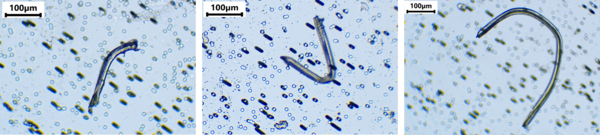
담배 필터에서 추출한 셀룰로오스 아세테이트 섬유를 현미경으로 관찰한 모습. [사진제공(Photo Source) = University at Buffalo]
[원문보기]
Study: Cigarette filters are an underestimated source of microplastic pollution
Filters release two dozen microfibers upon first contact with water, threatening wildlife and human health
It is well known that discarded cigarette butts release nicotine, heavy metals and other toxins into the environment, including natural water systems. Less understood, however, is what happens to the plastic-based filters that shed these chemicals.
A new study from the University at Buffalo examines this issue, with findings showing that one cigarette filter can release up to two dozen microfibers almost immediately upon contacting water. More than 100 additional microfibers may break free of the filter within 10 days depending on how the water is moving.
This quick release of cellulose acetate fibers – what most cigarette filters are made of – had not been precisely measured before, study authors say. This and other findings from the study build upon the evidence that cigarette butts –the most littered item worldwide – are a direct and underestimated source of microplastic pollution.
“Microfibers in natural waters have been primarily associated with laundry and clothing. This work shows that microfibers from littered cigarette filters cannot be ignored,” says the study’s corresponding author John D. Atkinson, Scott and Coleen Stevens Chair in Engineering Sustainability and associate professor in the UB Department of Civil, Structural and Environmental Engineering.
The findings were published the Journal of Hazardous Materials: Plastics. UB PhD student Ghazal Vasseghi is the study’s first author.
For the study, Atkinson and Vasseghi conducted a series of 10-day lab experiments. They placed cigarette butts in water under three conditions: still water (0 revolutions per minute, or rpm), moderately moving water (80 rpm) and more intense moving water (200 rpm).
The researchers found that when a cigarette filter initially contacts water, it releases about 24 microfibers within 20 seconds, regardless of water movement. After 10 days, they found that a single filter – which contains more than 10,000 microfibers – can release 63 to 144 microfibers, depending on water movement.
Using this data, the researchers estimated the prevalence of microplastic pollution from cigarette filters in New York State – the study was funded by the state Environmental Protection Fund, which is administered by the state Department of Environmental Conservation.
Under conservative estimates, they calculated that anywhere from 71 million to 1.4 billion cigarette butt microfibers are released into New York waters every day. Areas with large populations are hotspots.
“Direct release of pre-contaminated microfibers is unique – we typically consider microplastics problematic because of the chemicals they adsorb in the environment, but these are released with contamination. You get both physical pollution of the fibers and chemical pollution of everything that’s stuck to them,” Atkinson said. “In a way, this is a new ‘bad thing’ associated with cigarettes.”
These fibers are easy for wildlife to ingest and can block their digestion. Microfibers also function as sponges, attracting and carrying heavy metals, pathogens, and other pollutants, including PFAS, or “forever chemicals.”
The researchers point to several interventions and behavior change campaigns that could reduce the number of cigarette butt microfibers released into waters.
“Our work can inform strategic placement of receptacles for cigarette butts. Adding filters to collect cigarette butts in storm sewers could also be beneficial,” Atkinson says.
 즐겨찾기 추가
 시작페이지로 설정